


Fashion’s biggest problem isn’t fast fashion anymore – it’s the growing gap between luxury design and accessible prices. But a quiet revolution in sustainable fabric innovation is changing everything, making designer-quality materials available to everyday consumers without the environmental cost.
Revolutionary materials like lab-grown leather, recycled ocean plastic, and mushroom-based textiles are no longer confined to experimental collections. Major brands are scaling these innovations, creating a new category of accessible luxury that prioritizes both sustainability and style. The result is designer fashion that doesn’t require a designer budget or compromise on environmental values.

Lab-Grown Materials Break Traditional Barriers
Biofabricated leather leads the sustainable material revolution. Companies like Modern Meadow and MycoWorks have perfected lab-grown alternatives that match traditional leather’s durability and luxury feel. These materials require no animal products and use significantly less water and energy than conventional leather production.
Bolt Threads produces Mylo, a leather alternative grown from mushroom root systems called mycelium. Adidas, Stella McCartney, and Lululemon have all incorporated Mylo into their collections, proving that sustainable materials can meet high-performance standards. The production process takes weeks instead of months, and the resulting material can be customized for specific applications – from supple handbag leather to sturdy shoe soles.
Lab-grown silk represents another breakthrough. Spiber in Japan creates synthetic spider silk proteins through fermentation, producing fibers stronger than steel yet softer than traditional silk. Unlike silkworm farming, this process requires no insects and produces consistent quality year-round. Major fashion houses are quietly testing these materials in limited collections before wider releases.
Ocean Waste Transforms Into Designer Textiles
Ocean plastic pollution has become luxury fashion’s raw material. Adidas partnered with Parley for the Oceans to create shoes and athletic wear from intercepted ocean plastic. Each pair of Ultraboost Parley shoes contains approximately eleven plastic bottles, transformed into high-performance yarn that rivals traditional synthetic materials.
Econyl regenerated nylon takes this concept further. Created by Italian company Aquafil, Econyl is made from fishing nets, fabric scraps, and industrial plastic waste. The material performs identically to virgin nylon but with a fraction of the environmental impact. Prada uses Econyl in their Re-Nylon collection, proving that recycled materials can maintain luxury standards.
The scaling of ocean waste textiles is happening faster than expected. What started as limited capsule collections has expanded to core product lines. Brands report that consumers initially drawn by sustainability messaging become repeat customers based purely on product quality and performance.
Plant-Based Innovation Creates New Luxury Standards
Pineapple leather, known as Pinatex, transforms agricultural waste into luxury accessories. Created from pineapple leaf fibers typically burned as waste, Pinatex offers the texture and durability of traditional leather while supporting farming communities in the Philippines. Hugo Boss, H&M, and Nike have incorporated Pinatex into their sustainable collections.
Apple leather follows a similar model, using apple pomace – the pulp left after juice production – to create leather-like materials. This innovation turns food industry waste into fashion materials, creating circular economy benefits across industries. The resulting fabric has a distinctive texture that many designers prefer to traditional leather alternatives.
Mushroom-based textiles extend beyond leather alternatives. Ecovative grows packaging and textile materials from mushroom mycelium, creating everything from flexible fabrics to rigid structural components. Fashion brands are experimenting with these materials for accessories, footwear, and even architectural runway displays.
Orange Fiber produces silk-like textiles from citrus industry byproducts. The company partners with Italian citrus processors to collect waste peels and transform them into luxury fabrics. The resulting textiles have natural vitamin-enriched properties and can be processed to feel identical to traditional silk.
Technology Drives Accessibility and Scale
Advanced manufacturing techniques are making sustainable materials cost-competitive with conventional options. 3D knitting technology reduces waste by creating finished garments directly from sustainable yarns, eliminating cutting scraps and excess inventory. This precision manufacturing allows smaller brands to compete with major fashion houses on both quality and price.
Digital printing on sustainable fabrics has reached photographic quality while using water-based inks and minimal water consumption. This technology enables small-batch production of designer patterns on eco-friendly materials, making unique designs accessible without traditional luxury markups.
The comeback of 90s minimalism, partly driven by Gwyneth Paltrow’s style influence, aligns perfectly with sustainable fabric innovations. Clean lines and simple silhouettes showcase material quality rather than hiding it under excessive embellishment, making sustainable textiles the perfect canvas for modern minimalist design.
Supply chain transparency technology allows consumers to trace materials from source to finished product. QR codes on garments link to detailed information about fabric origins, production methods, and environmental impact. This transparency builds trust and justifies premium pricing for sustainable alternatives.
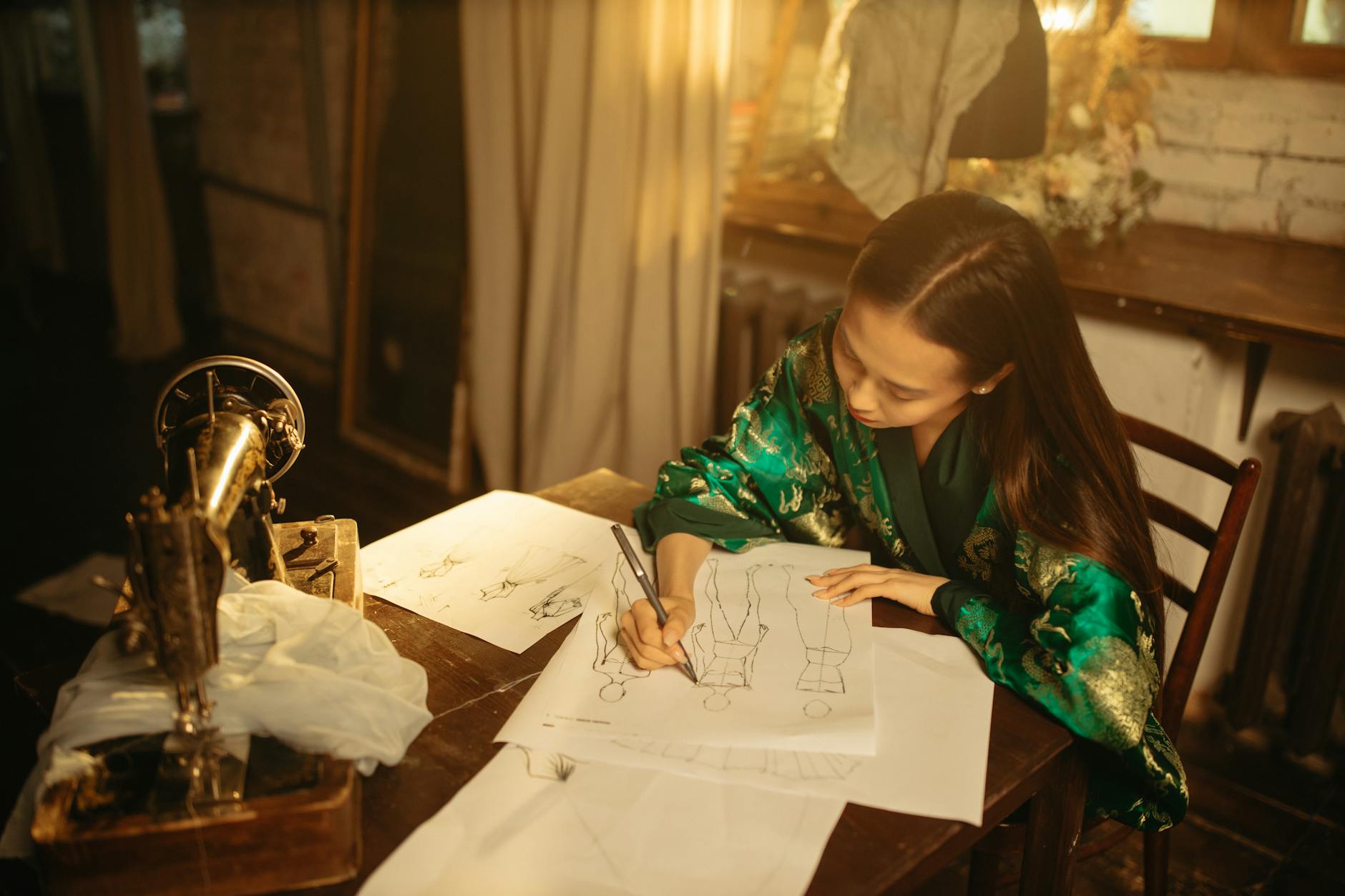
The sustainable fabric revolution is creating a new definition of luxury – one based on innovation, environmental responsibility, and accessible pricing rather than exclusivity and scarcity. As these materials become mainstream, the traditional fashion hierarchy built on expensive raw materials and exclusive production is giving way to a more democratic system where quality and sustainability drive value.
Major fashion weeks now showcase sustainable collections alongside traditional luxury offerings, and consumers increasingly choose based on material innovation rather than brand heritage alone. The future of fashion lies not in making expensive things cheaper, but in making better things accessible – and sustainable fabric innovations are leading this transformation across the entire industry.
Frequently Asked Questions
What are the most promising sustainable fabric innovations in fashion?
Lab-grown leather from mushroom mycelium, recycled ocean plastic textiles, and plant-based materials like pineapple and apple leather are leading innovations.
Are sustainable fabrics as durable as traditional materials?
Yes, many sustainable fabrics match or exceed traditional materials in durability while offering better environmental benefits.