

The round-toe pump has held its ground in women’s wardrobes for decades, a reliable silhouette that reads as polished and finished in almost any context. But a quieter contender has been steadily gaining shelf space, editorial column inches, and social traction: the square-toe ballet flat, a shoe that manages to feel retro and directional at the same time.
Why the Square Toe Is Having Its Moment
The square toe is not a new invention. It cycled through fashion in the late 1990s and early 2000s alongside low-rise denim and micro-mini skirts, then disappeared into the archive. What’s different now is the context surrounding its return. The current interest in minimalism, clean tailoring, and an overall preference for flat or low footwear has created exactly the right conditions for a boxy toe shape to read as sophisticated rather than dated.
Ballet flats specifically are carrying this trend forward in a way that pointed or almond-toe flats haven’t managed. The flat silhouette keeps the shoe grounded and wearable, while the square toe adds an architectural quality that elevates it beyond simple comfort dressing. It doesn’t look like a shoe you grabbed because your heels were killing you – it looks like a deliberate choice.
Runways have been signaling this direction for a few seasons now, with a growing number of designers cutting their flat shoes with a pronounced squared-off front. The styling tends toward cropped trousers, midi skirts, and wide-leg pants – silhouettes that let the toe shape read clearly at the hem. That pairing is not accidental. A square toe needs visual space to land; when it’s buried under a long hem, the detail disappears entirely.
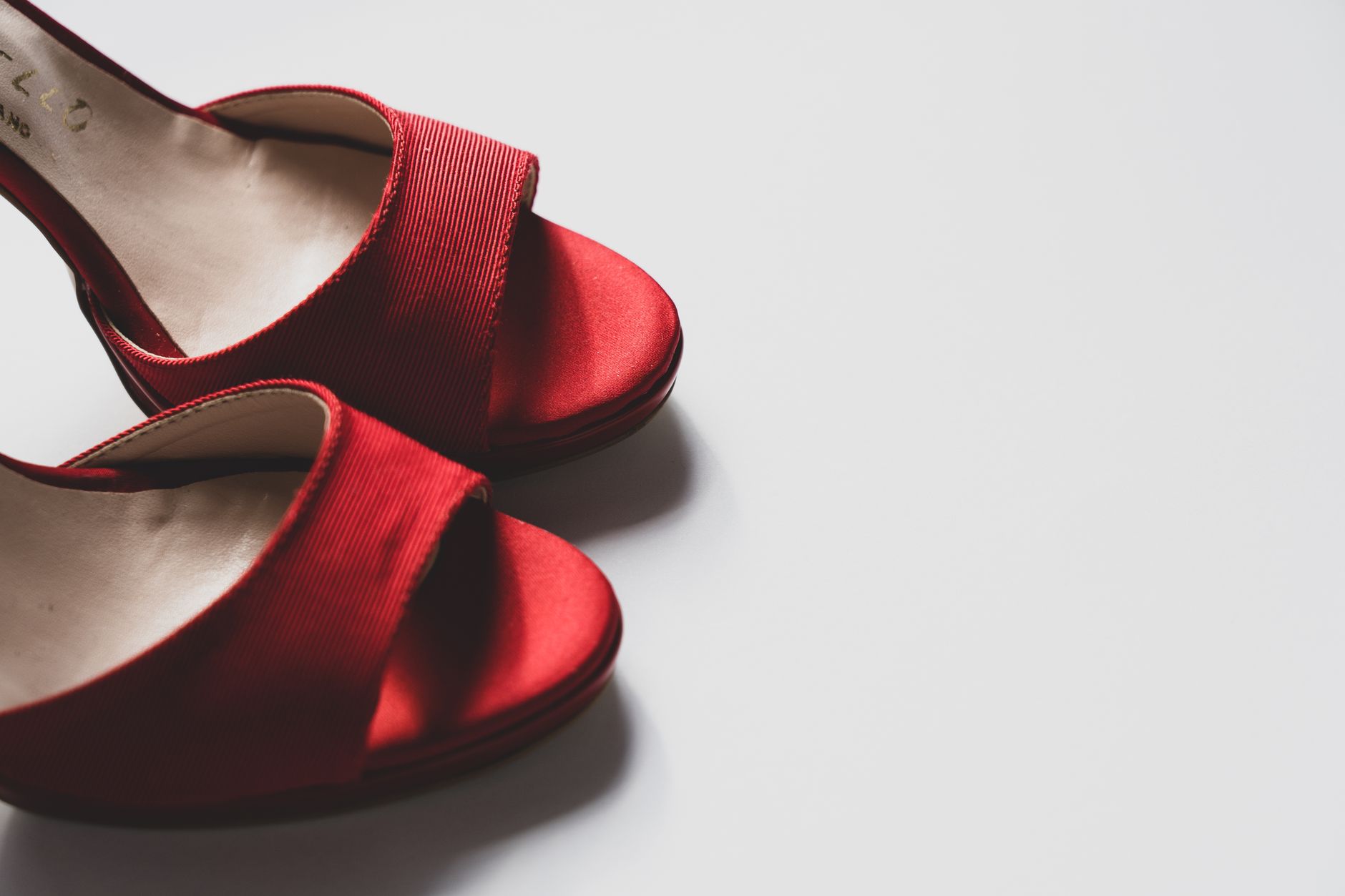
The round-toe pump, by contrast, is feeling increasingly safe. That’s not an insult exactly, but in fashion, “safe” often signals that a piece has maxed out its cultural relevance for the cycle. The round toe reads classic, yes – but also expected. When something stops generating any friction or reaction, the door opens for something else to step in.
How Flat Shoes Displaced the Heel in the First Place
The flat shoe’s rise over the past several years is the longer story underneath this specific trend. Comfort dressing – accelerated by years of working from home and a broader cultural reassessment of what “dressed up” even means – pushed flats from weekend casualwear into boardroom and dinner territory. That shift created demand for flats that could hold their own against heels stylistically, not just functionally.
The loafer answered that call first, becoming the go-to flat for anyone who needed a shoe that communicated effort. The slip-on loafer in particular displaced chunkier, more utilitarian footwear as the default choice for pulled-together dressing without heels. But the ballet flat was always waiting in the wings. It’s lighter, sleeker, and more versatile than a loafer – it moves across dress codes in a way the loafer still struggles with in certain formal contexts.
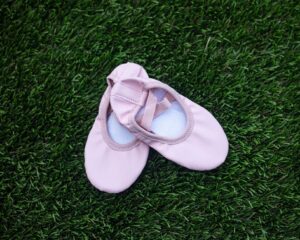
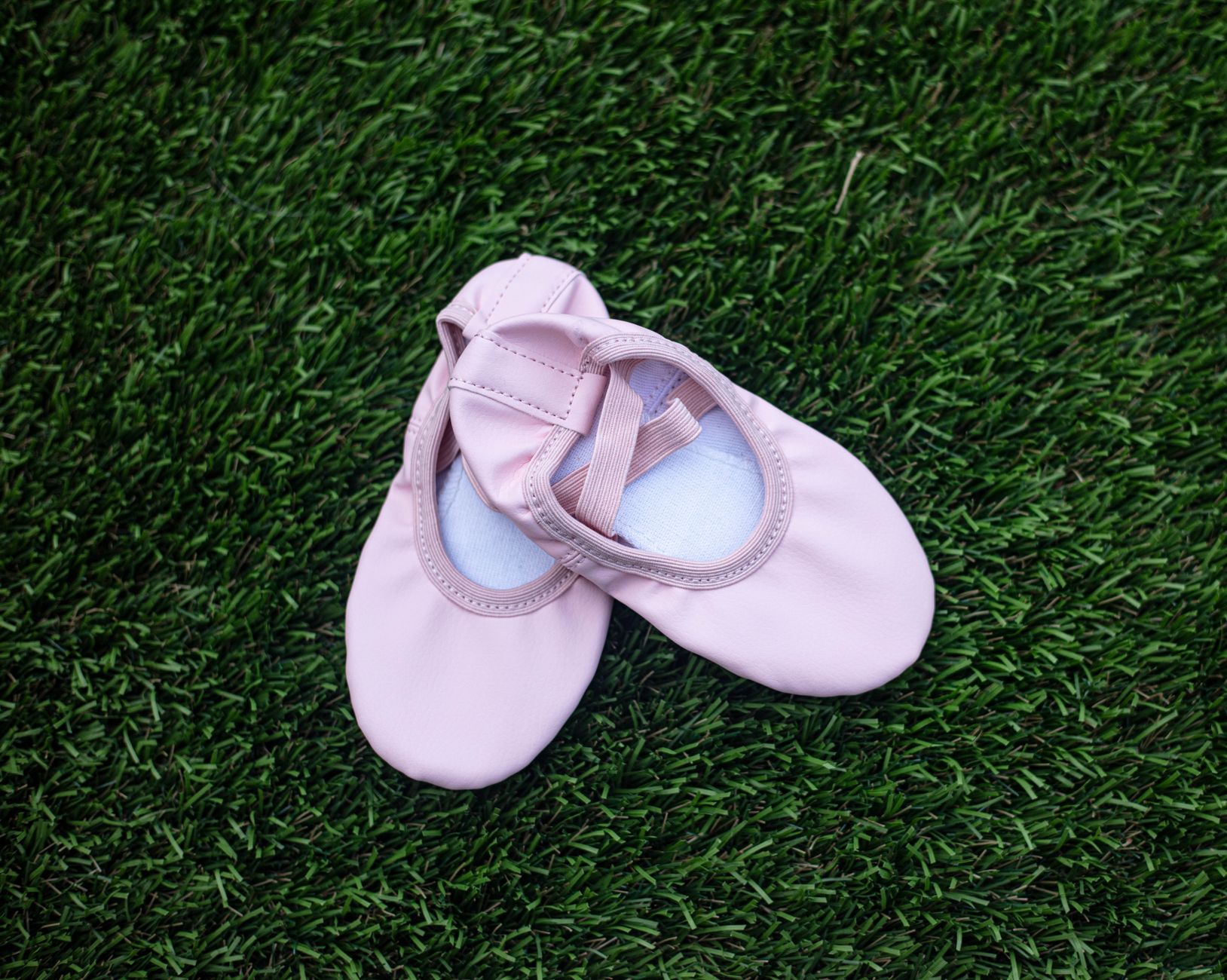
What the square-toe ballet flat adds to that equation is a sharpness that traditional round-toe ballet flats lack. The round-toe flat has always had an image problem – it skews young, casual, or overly demure depending on the context. The square toe cuts through that softness and introduces something more deliberate. The foot looks longer, the stance feels more assured, and the shoe reads as a considered design object rather than a default.
Colorways are reinforcing this positioning. The square-toe ballet flat is showing up most frequently in clean neutrals – bone, chocolate brown, black, and occasionally a warm camel – rather than the candy colors or printed fabrics that defined the early 2000s version. That restraint in color keeps the focus on the shape itself, which is exactly where the interest lies. A square-toe flat in a novelty print risks reading as costume; in a clean leather or suede, it reads as wardrobe.
Material quality is also part of why this version of the trend is landing differently than its predecessor. The current market has pushed toward construction that holds the square shape cleanly – structured toe boxes that don’t collapse after a few wears, finishes that hold up rather than creasing immediately at the vamp. A soft, poorly constructed square toe reads as shapeless within weeks. A well-made one holds the geometry, and that geometry is the entire point of the shoe.
What This Means for How People Are Getting Dressed
The practical effect of this shift is that a lot of women who reached reflexively for a kitten heel or a simple pump as their “elevated flat option” are now reaching for the square-toe ballet instead. It occupies the same slot in an outfit – the shoe that signals you tried, that adds polish without height – but it offers something the pump doesn’t anymore: novelty. In a wardrobe that otherwise leans toward well-worn classics, a shoe with a slightly unexpected toe shape does a lot of work.

The round-toe pump isn’t going anywhere – it’s too embedded in professional dress codes and too broadly flattering to disappear from the market. But for anyone paying attention to where the energy is in footwear right now, it’s clearly sitting with the flat. And within the flat category, it’s the square toe that’s setting the direction. The round-toe ballet flat, sweet and simple as it is, suddenly looks like the option you choose when you’re not choosing at all.