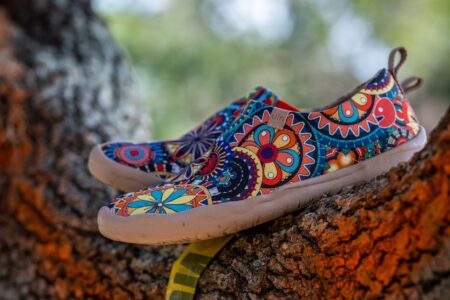



The ballet pump had a long run. For the better part of two decades, it served as the default flat shoe – the sensible choice, the approachable alternative to heels, the shoe that asked nothing of you. But something has shifted on the street style circuit and in the new season collections: the slingback flat is quietly, steadily taking its place.
Why the Slingback Is Having Its Moment
The slingback flat is not a new silhouette – it has been around since mid-century dressing codes, worn by women who wanted polish without the commitment of a heel. What is new is the context. After a long stretch of maximalism and platform shoes dominating the conversation, there is a growing appetite for footwear that reads as refined rather than reactive. The slingback flat fits that mood precisely because it does something the ballet pump no longer does: it looks intentional.
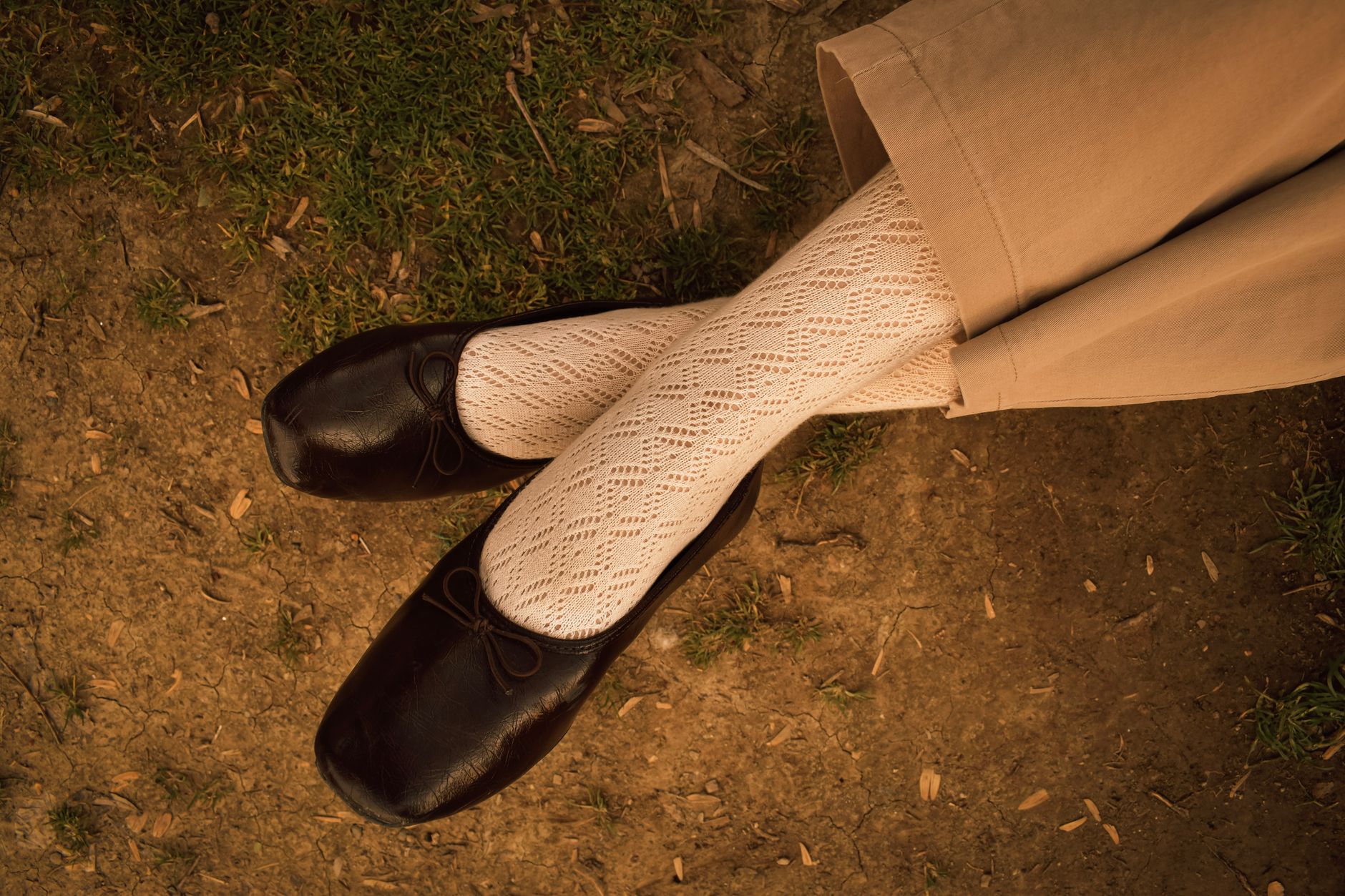
The key structural difference matters more than people realize. A ballet pump, by design, sits low and hugs the foot across the toe box, creating a silhouette that reads almost childlike in its simplicity. The slingback, by contrast, has a strap that cuts across the back of the heel, exposing a sliver of the ankle and foot. That small aperture changes the entire energy of the shoe. It gives the foot shape and definition, making even the most minimal outfit look considered.
Styling the slingback flat also requires less effort to look finished. Paired with straight-leg trousers, it creates a clean, elongated line where the exposed heel bridges the gap between hem and shoe. With a midi skirt, it grounds the look without competing with the fabric. With wide-leg denim, it does the visual work that a chunkier shoe would otherwise monopolize. The ballet pump, for all its versatility, tends to disappear into an outfit rather than contribute to it.
There is also something happening at the fabrication level worth paying attention to. Brands are producing slingback flats in leather with pointed or almond toes, in woven textures that echo summer dressing, and in patent finishes that carry through into the cooler months without looking forced. The range of materials available at the flat price point – meaning without a heel elevation – is broader now than it has been, which means the shoe is finding new audiences across different wardrobes and aesthetics.

The Slow Exit of the Ballet Pump
The ballet pump is not disappearing. But it is being repositioned, and that repositioning tells you something about where fashion taste is right now. For years, the ballet pump represented a certain kind of effortless femininity – the Audrey reference, the French girl signifier, the shoe that worked with everything because it demanded nothing in return. The problem is that “demands nothing” now reads as “adds nothing,” and that is a harder sell.
Part of what eroded the ballet pump’s status is overexposure. The style was so widely copied, at so many price points, with such inconsistent construction, that it became difficult to make one look expensive without actually spending on it. A slingback flat, by contrast, retains a higher perceived formality simply because the strap implies structure. Even a modestly priced slingback reads as more deliberate than its ballet pump equivalent.
The round-toe ballet flat – a more recent revival driven by the so-called quiet luxury moment – has fared slightly better than its pointed predecessor, but it is still contending with the same fundamental issue: flatness without visual interest. Shoe design, like all fashion, cycles toward the underexplored, and the heel strap has been underexplored long enough to feel genuinely fresh. A generation of women who grew up wearing ballet flats in the late 2000s is now actively looking for something that carries the same ease with a slightly more grown-up register.
It is also worth considering how the slingback flat interacts with the broader move toward flat footwear as a whole. As wedge espadrilles and platform sandals lose ground to cleaner, more architectural flat silhouettes, the slingback positions itself as the more structured option within that category – more formal than a sandal, more distinctive than a ballet pump, and better suited to transitional dressing between seasons.
Colorwise, the slingback flat is winning on that front too. While the ballet pump has historically been dominated by black, nude, and red, the newer slingback offerings are arriving in burgundy, cognac, white leather, and deep forest green – colors that feel current without being loud. That palette shift matters because it makes the shoe feel seasonal in a way that ballet flats rarely do. The slingback flat can hold a color and carry it in a way the lower, rounder silhouette often cannot.
What to Actually Wear It With
The slingback flat works hardest in outfits that benefit from a clean base. Tailored trousers in a relaxed cut, wide-leg linen, pleated skirts that hit below the knee – all of these are better served by a shoe that shows a little foot and a little heel. It does not perform as well with very cropped hemlines, where the exposed ankle competes rather than complements. That is the one scenario where the ballet pump still holds ground.
The real test of any shoe trend is whether it works for people who are not dressing for editorial purposes – whether it holds up on a Tuesday, on the commute, in a meeting, and at dinner with the same pair of shoes. The slingback flat, particularly in a leather almond-toe construction with a flat or very slightly lifted heel, clears that bar. The ballet pump, at this point, largely does too – but that ubiquity is exactly the problem.