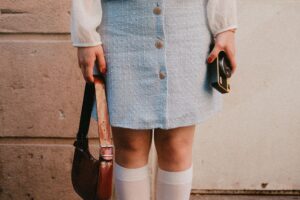

The slim jean had a long run. For nearly two decades, it defined what a well-dressed lower half looked like – from the streets of SoHo to the front rows of Fashion Week. Now, slowly and without much announcement, the relaxed trouser is taking its place.
A Shift That Happened in Plain Sight
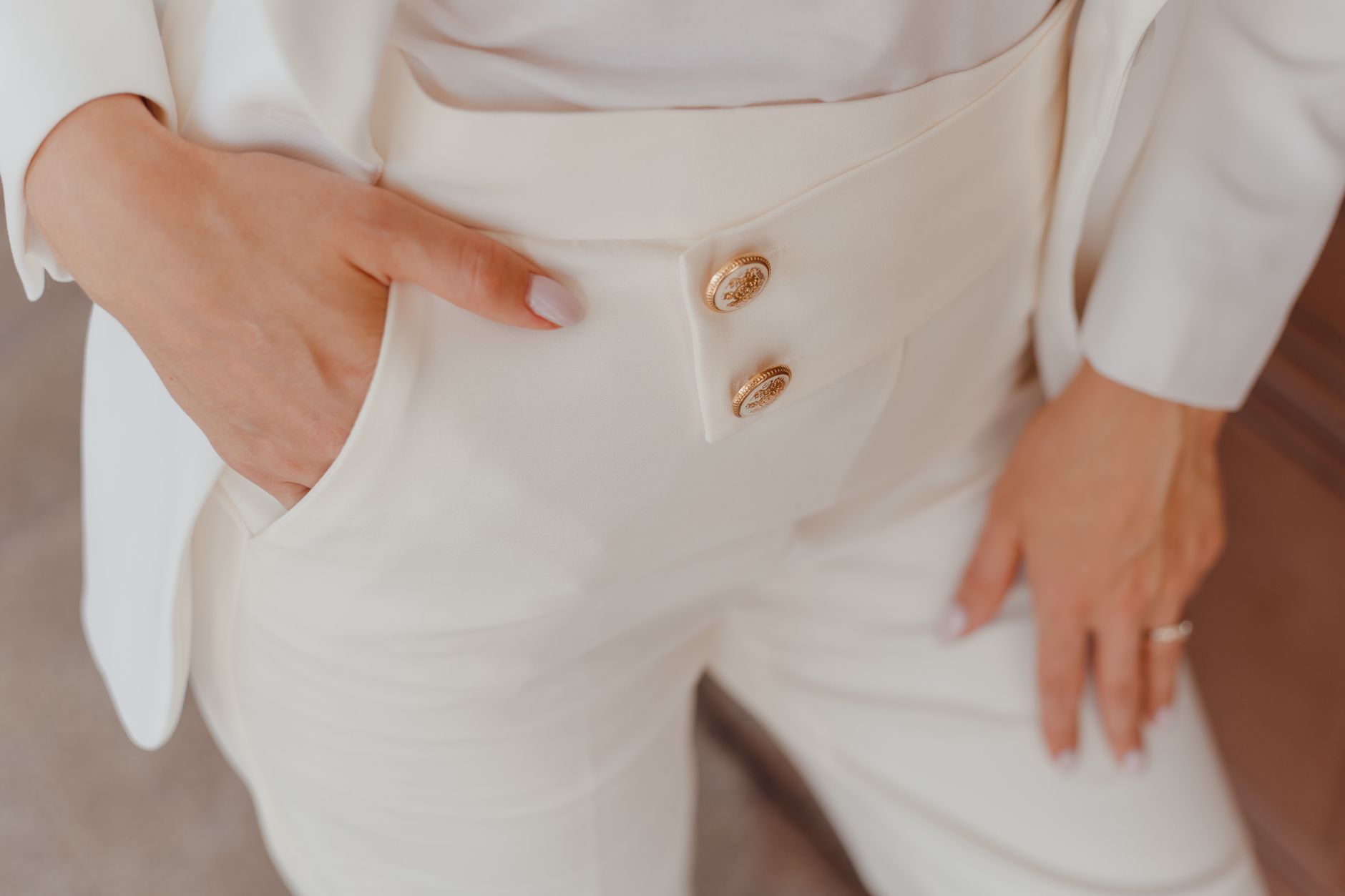
The move away from slim denim was not driven by a single viral moment or a celebrity declaration. It accumulated – quietly, seasonally – through a growing preference for cuts that allow room to breathe. Straight-leg trousers, wide-leg silhouettes, pleated wool pants: all of them started appearing more consistently in what people were actually wearing, not just what brands were pushing on runways.
Part of what drove this was a practical recalibration. When people stopped dressing for office environments defined by rigid dress codes, they also stopped defaulting to the jeans-and-blazer formula that had anchored casual professional dressing for so long. The question shifted from “how dressed-up does this look?” to “how does this actually feel to wear?” Relaxed trousers answered that question better than skinnies ever could.
Denim brands noticed. The proportion of slim-cut offerings from major labels has quietly contracted over the past few seasons, replaced by straight-leg, barrel-leg, and wide-cut styles. Even brands that built their identity around skinny fits – the kind that once had waitlists – have introduced their own versions of the relaxed trouser without making much noise about it. The pivot happened in product lineups before it happened in marketing copy.
The styling logic also shifted. A slim jean works best in a specific register – tucked-in shirt, clean sneaker, structured jacket – and deviating from that formula tends to look effortful. A relaxed trouser is more accommodating. It sits comfortably beneath an oversized knit, a cropped jacket, or a longline coat. That versatility is a real advantage for a wardrobe piece that needs to earn its keep across multiple settings.
What the Relaxed Trouser Actually Offers
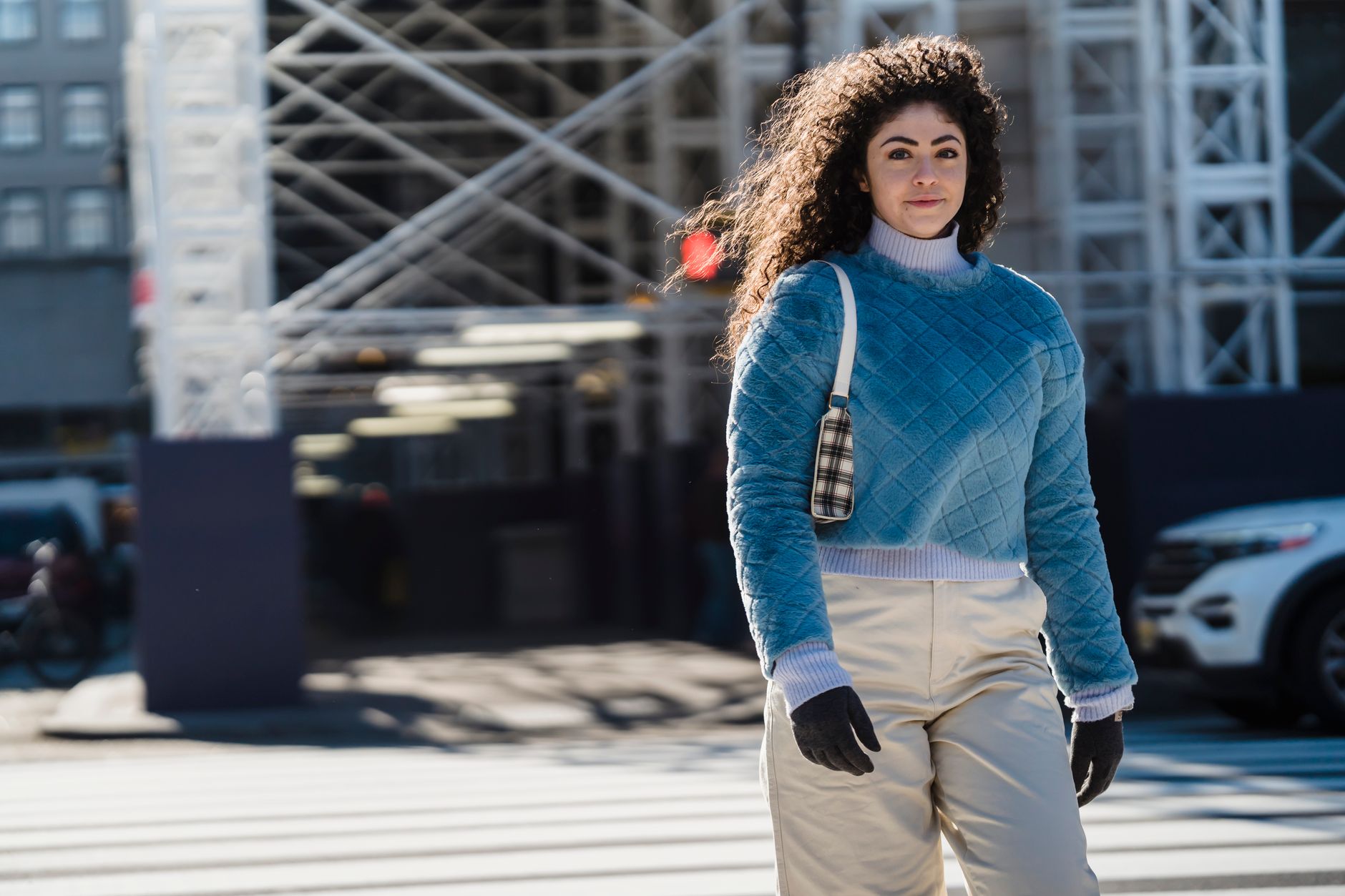
There is a meaningful distinction worth drawing here: “relaxed trouser” is not one thing. The category spans a wide range of fabrics, cuts, and silhouettes. A pleated linen trouser with a high waist reads entirely differently from a wide-leg technical pant or a cotton drawstring style in a neutral. What they share is volume – a deliberate departure from the body-conscious fit that defined the slim jean’s appeal.
That volume changed the proportional logic of getting dressed. Slim jeans pushed dressers toward fitted tops, structured layers, and clean lines above the waist because anything too voluminous on top risked looking unbalanced. The relaxed trouser opens the door to proportions that were previously harder to pull off. A boxy shirt, a draped blouse, a slightly oversized blazer – all of these suddenly have more room to work with. The result is a silhouette that feels considered without requiring everything to be perfectly calibrated.
Fabric choice is doing significant work in this category. The relaxed trouser looks best in materials that have weight and movement – wool crepe, heavy cotton twill, washed linen, ponte knit. These fabrics fall differently than denim and hold their shape without stiffness. They also photograph well, which in an era where people are acutely aware of how they appear in images matters more than it probably should. A slim jean can look flat and unremarkable in photographs; a wide-leg trouser in a good fabric has an inherent drama to it.
Color and pattern are also expanding in this space. Slim jeans became a neutral-only category for most wearers – dark indigo, black, grey, maybe a faded rinse. The trouser allows more adventurous choices without feeling costumey. Earthy tones, subtle patterns, wide-leg pinstripes, even bold solids are all showing up on people who would never have worn a patterned slim jean. The pant becomes a statement piece rather than a background element, which is a different kind of dressing entirely.
There is also a generational dimension to this. Younger dressers who grew up watching millennial style staples get labeled “cheugy” on social media developed a certain allergy to anything that read as too defining of the previous decade’s aesthetic. The skinny jean became associated with a very particular moment and a very particular way of thinking about bodies and dressing. The relaxed trouser arrives without that baggage. It doesn’t carry a decade’s worth of associations – it’s simply what people are reaching for now, and the lack of ideological weight behind it might be part of its appeal.
Where the Jean Still Holds Ground
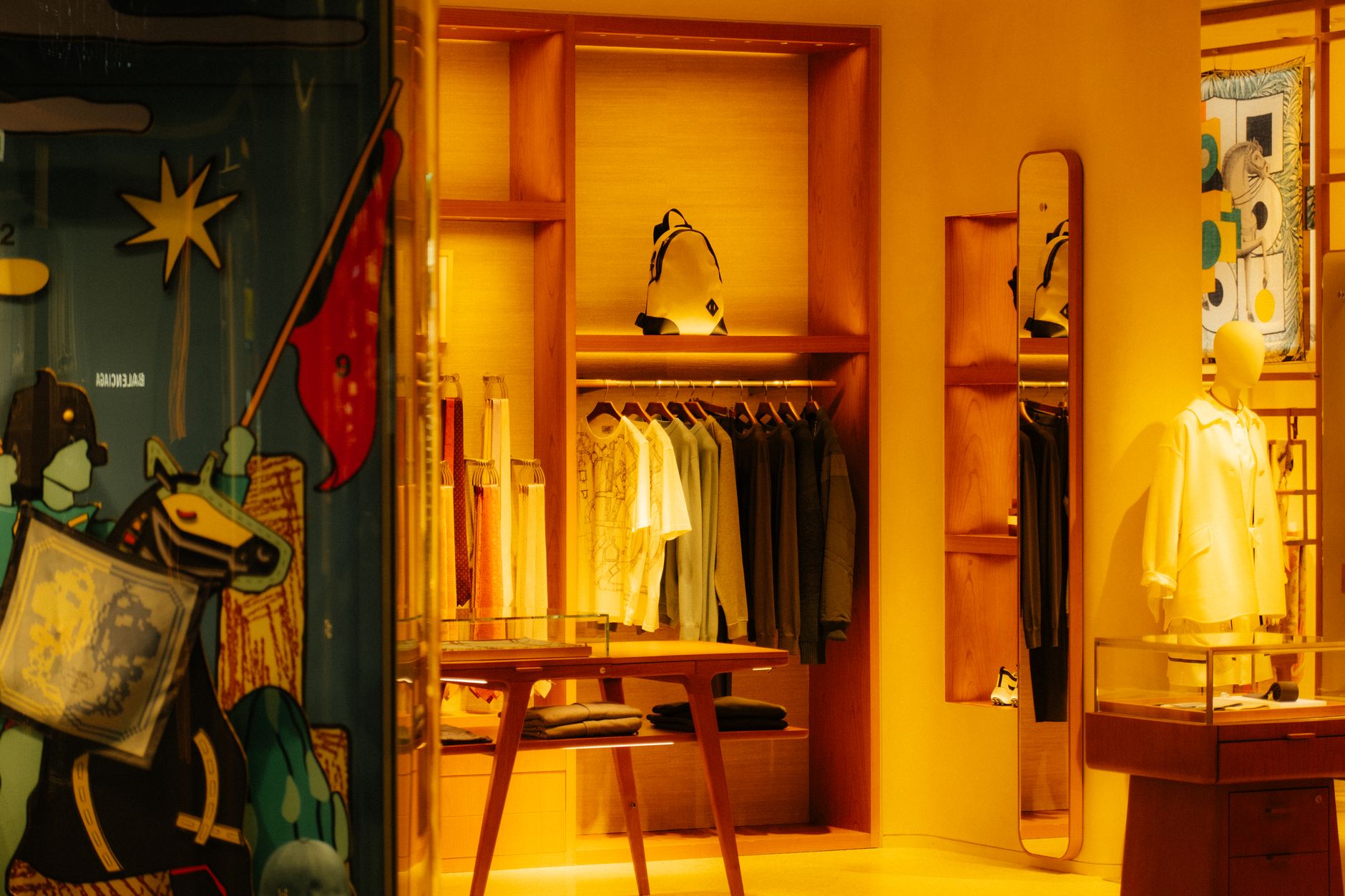
None of this means denim is disappearing. The jean is still a foundational wardrobe piece – it’s the cut that is changing. Straight-leg and wide-leg denim styles are actually performing well precisely because they borrow the ease of the relaxed trouser while keeping the utility and familiarity of denim. The slim jean specifically is what’s losing ground, not the category altogether.
The harder question is whether the slim jean will cycle back, the way low-rise denim and other discarded shapes eventually did. Fashion’s relationship with the body is cyclical, and slim silhouettes always return eventually. But right now, in this specific moment, the quietly spreading preference for ease over architecture is real enough that brands, retailers, and dressers are all reorganizing around it. The slim jean isn’t dead – it’s just waiting in the back of the closet while the relaxed trouser takes its turn on the floor.