


The Bag Everyone Is Carrying This Season
The canvas shopper had a good run. Sturdy, practical, printed with everything from museum logos to grocery store branding, it became the default carryall for a decade’s worth of farmers market trips and weekend errands. But something has shifted on the arms of women walking through European capitals and American beach towns alike: the raffia tote is showing up everywhere the canvas shopper used to live, and it is doing so without any particular fanfare.
Raffia – the dried, woven fiber traditionally associated with Madagascan craft culture – has been cycling through fashion’s peripheral vision for years. What is different now is the context. It is no longer a vacation novelty or a resort souvenir. It is the bag people are reaching for in June, yes, but also in September. It is being styled with tailoring, not just swimsuit cover-ups. That transition from seasonal prop to genuine wardrobe staple is the story worth following.
Why Raffia Now
The canvas tote succeeded largely because of its neutrality. It held things, it folded flat, it asked nothing of its owner in terms of maintenance or coordination. It communicated a low-key, unbranded sensibility that appealed broadly. For a long time, that was enough. But fashion’s appetite for texture has grown considerably, and a flat cotton bag – however earnestly designed – simply does not have it.
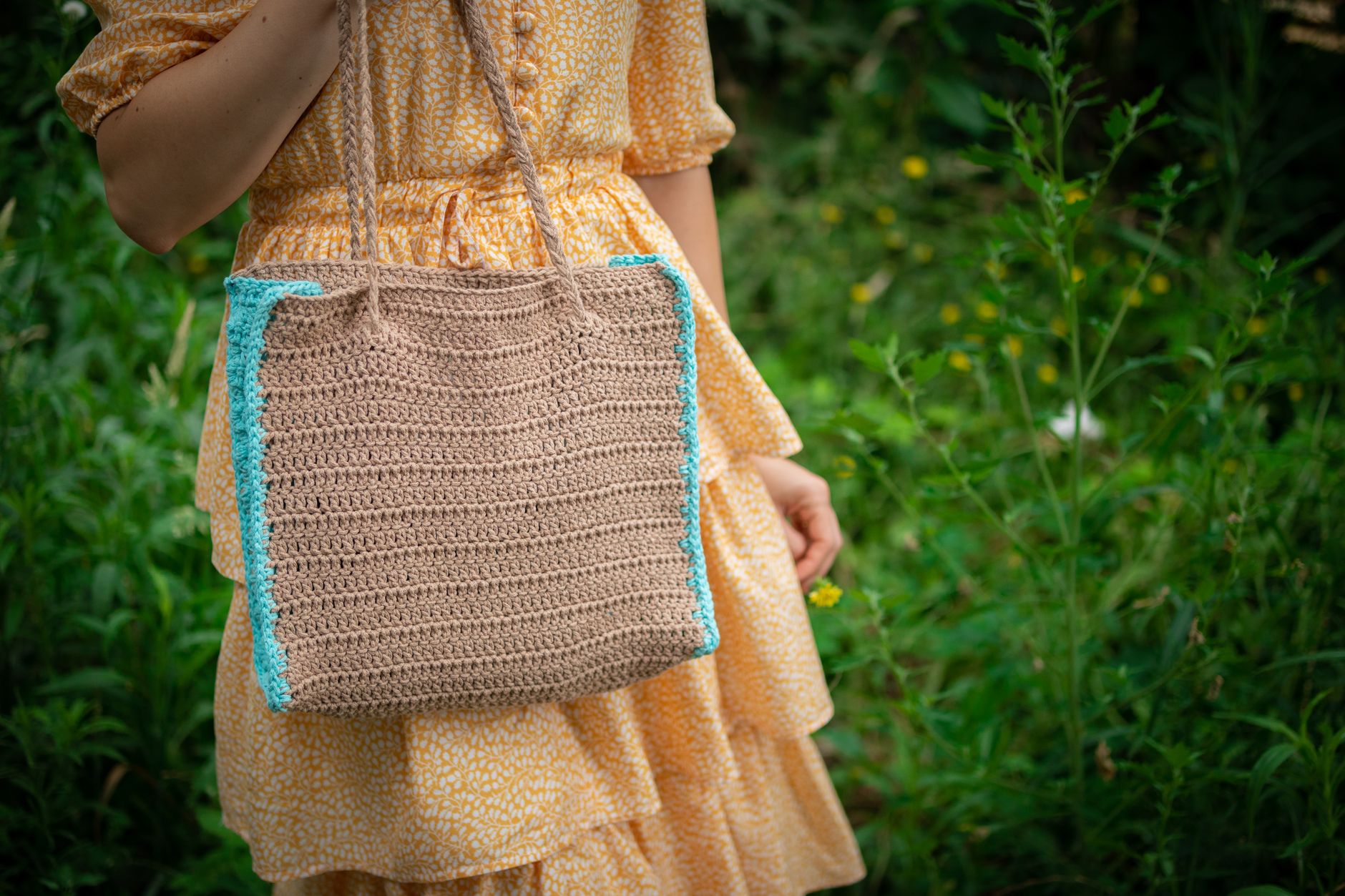
Raffia offers what canvas cannot: depth. The woven structure catches light differently depending on the angle, the weave density varies from bag to bag, and the natural color variation within the fiber itself means no two pieces look exactly alike. These are not selling points that require a marketing campaign to explain. People see the bag and want to touch it. That tactile quality alone gives it an edge that canvas has never really had.
There is also a broader appetite for materials that look like they came from somewhere. Not branded somewhere, not logo somewhere – but genuinely traceable to a craft tradition. Raffia carries that quality without requiring the buyer to do any research. The look does the work. And against the current backdrop of maximalist dressing in some corners and quiet luxury in others, a natural-fiber tote reads as considered without being fussy. That balance is not easy to strike, and raffia manages it almost by accident.
What It Works With (and What It Replaced)
The practical case for raffia over canvas is cleaner than it might first appear. Canvas bags, particularly the unstructured totes that became ubiquitous over the past decade, have a tendency to collapse under their own weight. Contents shift and tilt. The bag slumps. Raffia totes, especially those with a stiffened base or woven interior frame, hold their shape regardless of how much you pack into them. The structure is part of the material itself rather than something added in production.
Styling-wise, the raffia tote slots into outfits the canvas bag never quite managed. It works against linen, as you might expect, but it also works against denim, against a linen blazer, even against more dressed-up separates when the silhouette is clean. The canvas tote always pulled an outfit slightly downward in register – toward errand, toward casual, toward weekend. The raffia tote does not carry that same gravitational pull.
The Craft Economy Behind the Trend
What is quietly interesting about the raffia tote’s rise is what it means for the people making them. Much of the world’s raffia comes from Madagascar, where weaving collectives and family workshops have been producing baskets, hats, and bags for generations. The global appetite for raffia products – when it flows back through fair trade channels – has the potential to meaningfully support those communities. That is not guaranteed, and it depends entirely on where and how a bag is sourced. But the conversation around material provenance, which has become more serious across fashion broadly, gives consumers a reason to ask those questions.
At the mid-market and high-end levels, brands are increasingly commissioning raffia styles with named artisan partnerships rather than anonymous supply chains. Whether that transparency is substantive or decorative depends on the brand. But the demand pressure is real: shoppers are increasingly skeptical of vague “handcrafted” language and are looking for more specific origin information. Raffia, as a material with strong geographic and cultural roots, lends itself to that kind of storytelling in a way that cotton canvas simply does not.
The price point spread is worth noting too. Raffia totes exist at almost every level – from under fifty dollars at import shops to several hundred at heritage accessories labels. That range means the trend is not gated by income in the way that some bag trends are. A shopper who cannot spend on a name-brand canvas tote can find a well-made raffia version at a fraction of the cost, and the quality gap is often negligible at the mid-tier level. The fiber itself does a lot of the visual work regardless of what label is attached to it.
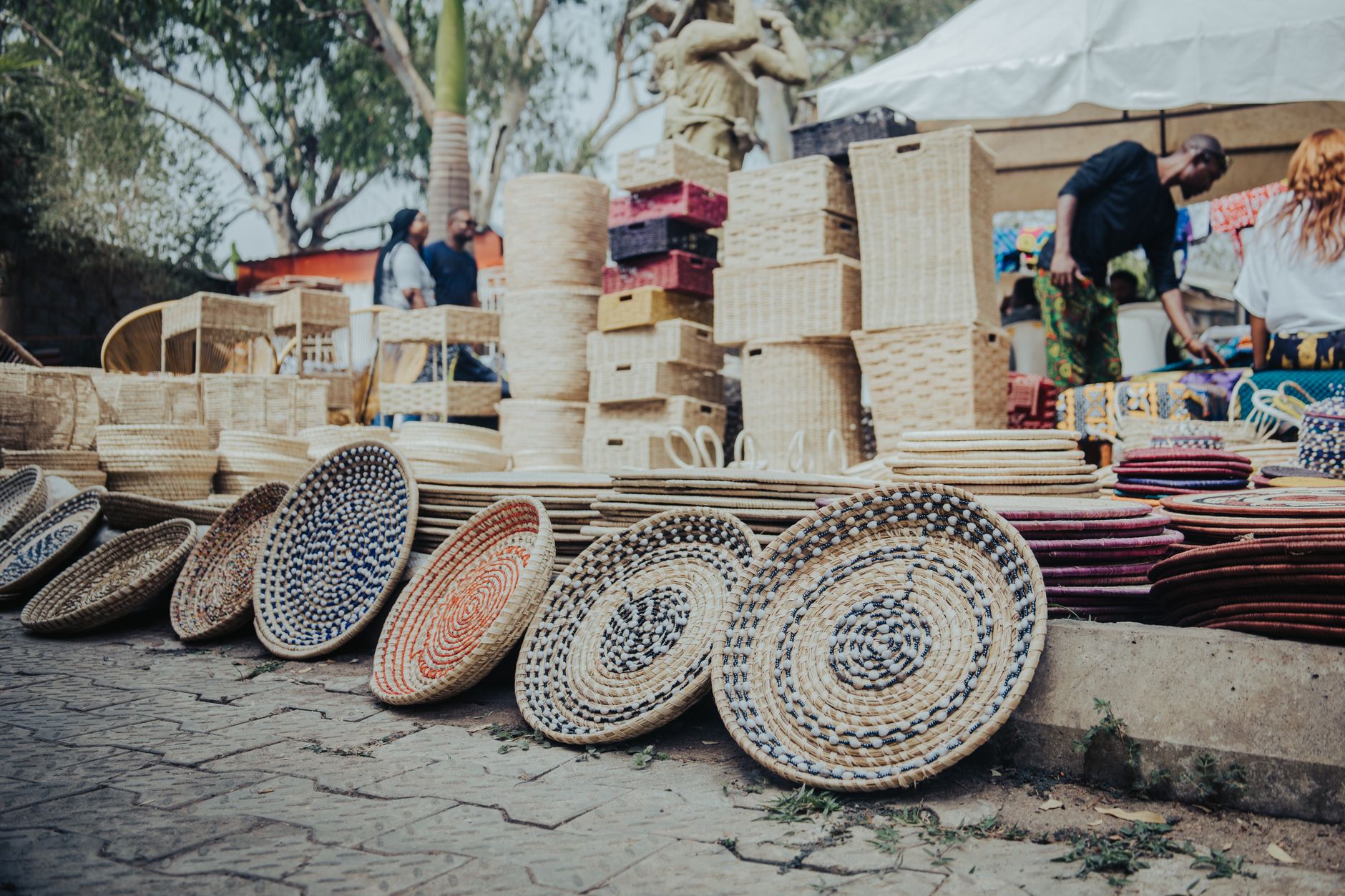
The canvas tote is not disappearing. It will remain the default bag of bookstores, art galleries, and cause-related merchandising for the foreseeable future. But its days as the automatic first choice for the style-conscious shopper look numbered. The raffia tote has quietly occupied that space, and the longer it stays there – through fall styling, through urban contexts, through the full stretch of the wardrobe year rather than just the summer months – the harder it becomes to argue that this is a trend with an expiration date rather than a category correction. The question now is whether raffia can hold that position through its first real off-season test, when the pressure to reach for something sturdier and more weatherproof becomes genuine.
Frequently Asked Questions
Is the raffia tote just a summer bag?
Not anymore. Styling has pushed it into fall and urban contexts, making it a viable year-round option when the silhouette is structured.
Why is raffia more popular than canvas right now?
Raffia offers texture, structure, and a craft-origin quality that canvas lacks. It also works across a wider range of outfits and dressing registers.