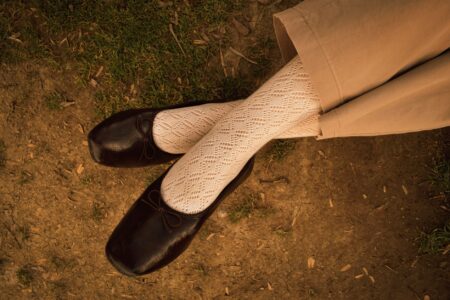


Strappy sandals have dominated warm-weather dressing for the better part of a decade – all those thin leather laces climbing the ankle, maximalist buckles, and toe rings that require 20 minutes to put on. But something has shifted on the sales floor and in the styling suite. The mule heel, clean and backless and requiring zero effort to slide into, is taking up more real estate in fashion coverage, runway looks, and shoe department displays than it has in years.
This is not a dramatic overthrow. It is a slow, deliberate preference change that says something specific about how women want to dress right now – and what they are no longer willing to tolerate.
Why the Mule Heel Is Having Its Moment
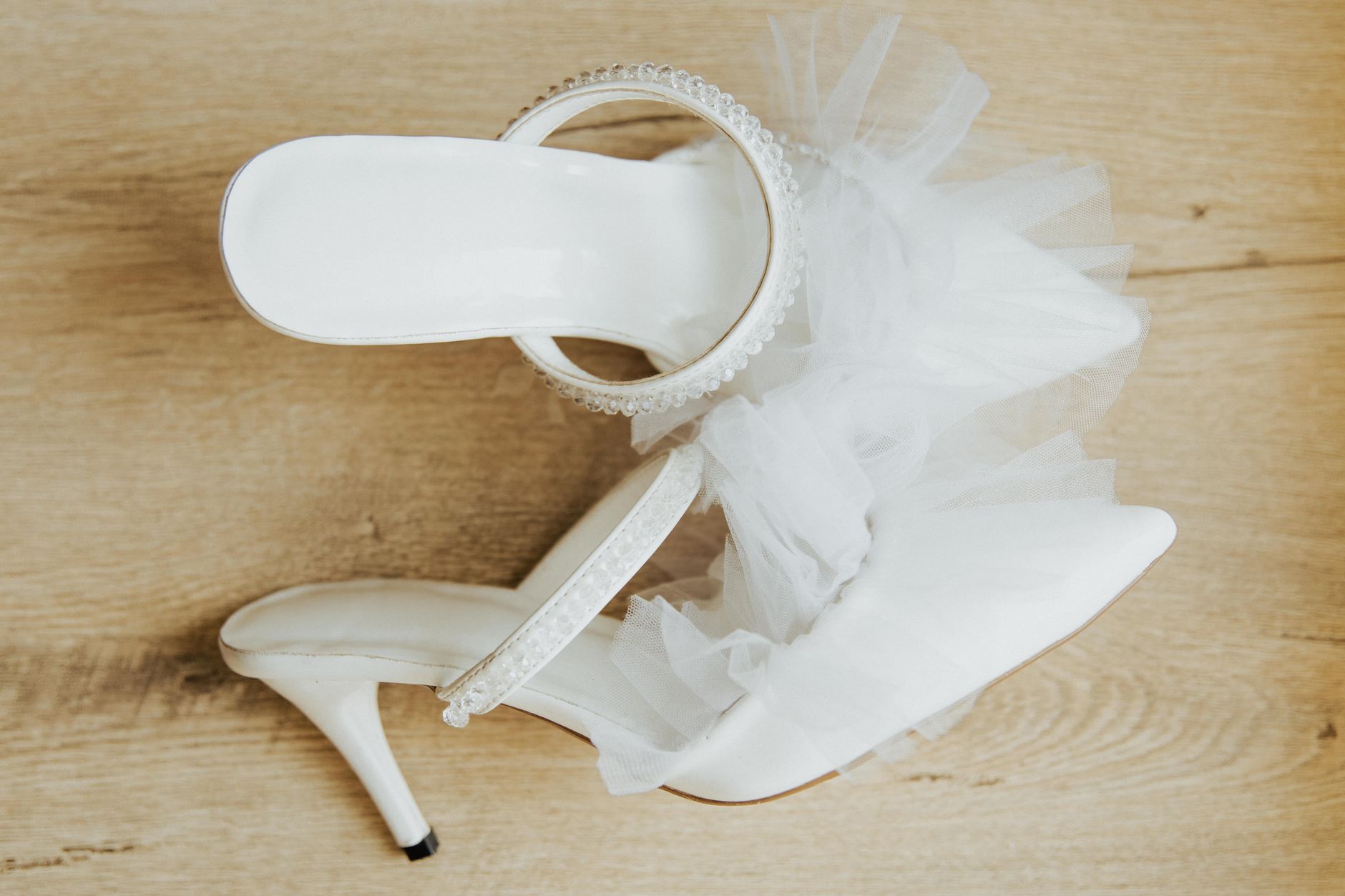
The appeal is partly structural. A mule heel – defined by its closed toe and open back – gives you the elevation and polish of a heel without the containment of a full shoe. It reads dressed-up from the front, effortless from the back. That combination is exactly what the current fashion mood is chasing: outfits that look considered but do not feel labored.
The strappy sandal, for all its visual interest, has always demanded something from the wearer. You have to commit to the strap arrangement, to bare skin in the right condition, to the particular exposed-foot aesthetic that reads more holiday than city-summer. The mule heel sidesteps all of that. It works with tailored trousers, with midi skirts, with a blazer thrown over a slip dress. Its versatility is not incidental – it is the whole point.
What the Runway Said First
The shift was visible in collections well before it hit mainstream retail. A growing number of designers who previously leaned on strappy eveningwear sandals began centering backless heels instead – pairing them with structured suiting, fluid satin separates, and even denim. The mule heel stopped being a transitional-season shoe and started appearing in fully summer-facing looks.
The silhouettes have also evolved. Early mule heels from the nineties revival wave were often blocky and blunt, styled as a deliberate throwback. What is arriving now is more refined – a kitten or mid-block heel, a pointed or slightly squared toe, leather or suede in neutral tones with occasional bold colorways. The shoe looks contemporary rather than nostalgic.
Colorways are telling. While strappy sandals often leaned into metallics and jewel tones to justify their visual complexity, the mule heel is selling in bone, chocolate, black, and camel. These are wardrobe-anchor shades. Women are buying them to work with everything, not to make one specific outfit happen.
The rise of the mule heel also connects to a broader pull toward cleaner footwear overall. The wrap flat is already edging out the ankle-strap sandal at the casual end of the market – suggesting that the appetite for complicated strapping systems is cooling across the entire shoe wardrobe, not just at heel height.
The Comfort Argument Is Real, Not Marketing
There is a functional case here that goes beyond aesthetics. Mule heels distribute weight differently than strappy sandals. Without laces cutting across the foot or ankle straps creating pressure points, the foot sits more naturally on the footbed. For anyone who has spent an evening in thin leather straps that leave marks for three days afterward, the appeal of the clean mule is not subtle.
Ease of wear is also a real consideration. Sliding into a mule heel takes seconds. No buckles, no lacing, no crouching in a restaurant bathroom to fix a strap that has come undone. That convenience is worth something, and the fashion industry has been slower than the footwear industry to acknowledge it openly.
How to Style the Mule Heel Now
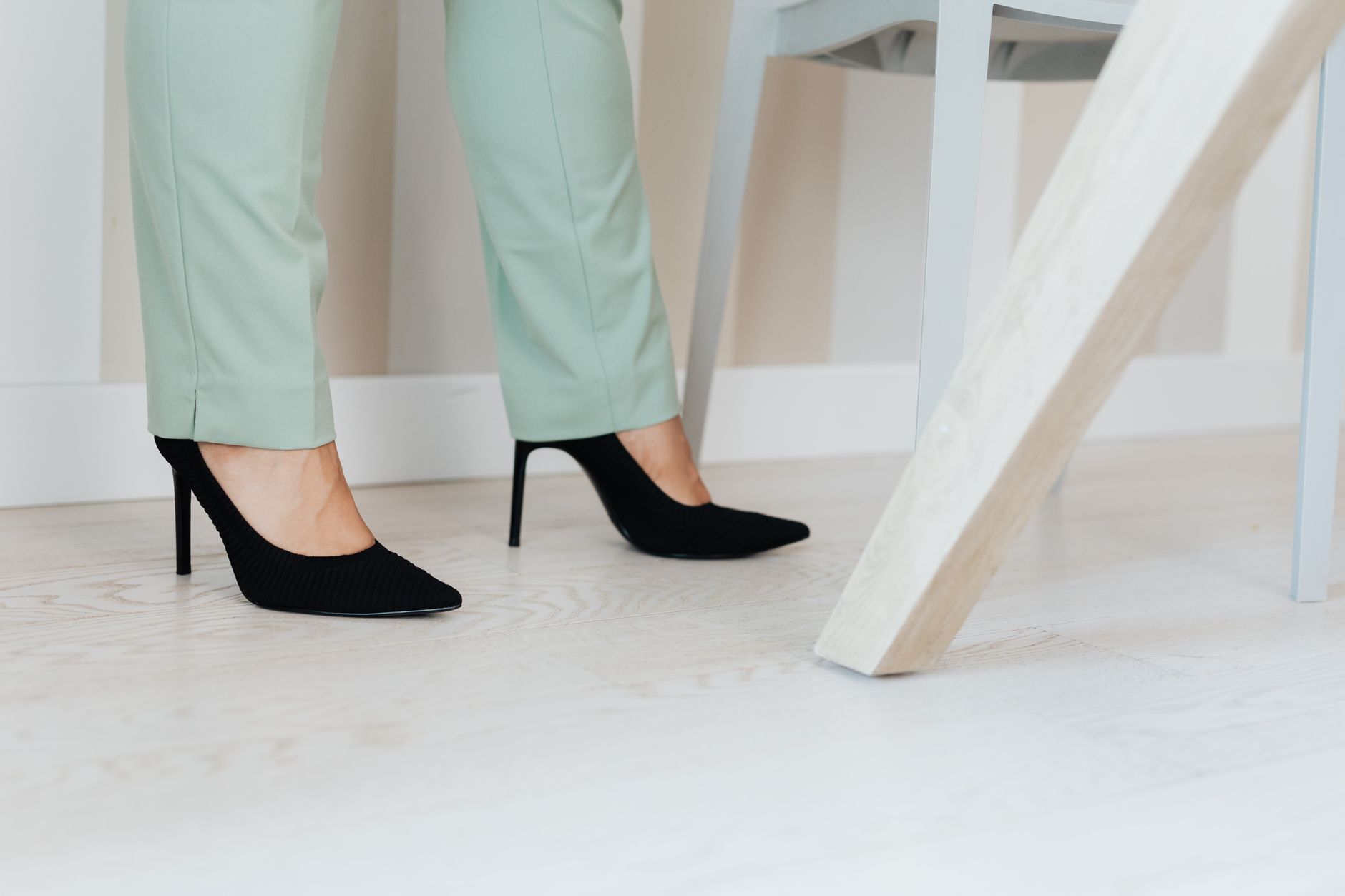
The shoe works hardest when the rest of the outfit has structure. Wide-leg trousers with a hem that grazes the top of the shoe, a pencil skirt that finishes at the knee, a belted shirt dress – these silhouettes let the mule heel anchor the look without competing with it. The shoe is intentionally understated, so the clothes around it do not need to compensate.
For summer specifically, the mule heel pairs well with linen separates, cotton suiting, and lightweight wrap dresses. The mistake would be treating it as a dressy-only shoe. At a mid-block or kitten heel height, it handles casual occasions without any issue. The versatility is there if the styling does not overthink it.
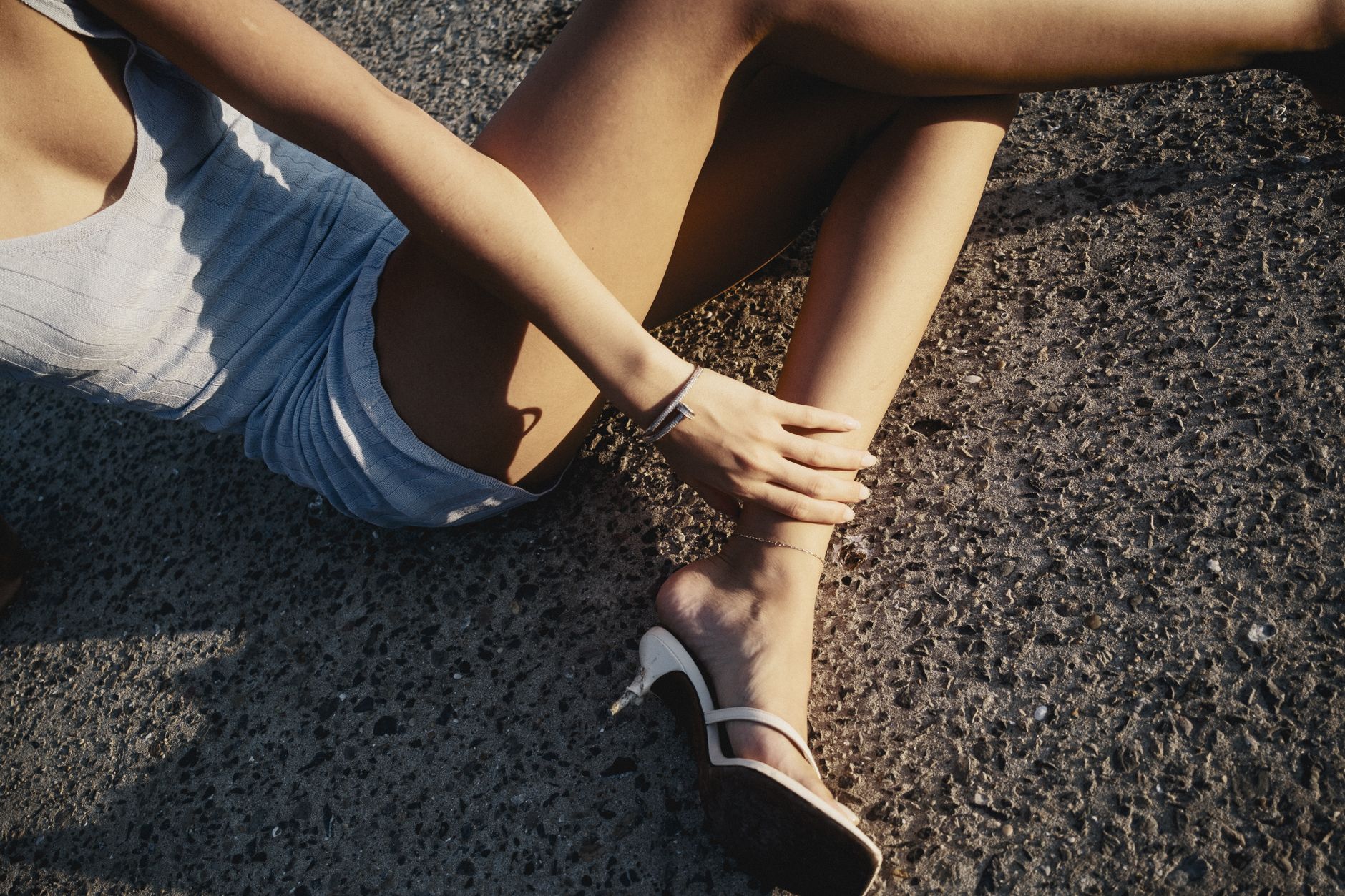
Heel height is the one variable worth choosing carefully. A stiletto mule heel reads formal and has a narrower use case. A block or kitten mule heel goes nearly everywhere – office, dinner, weekend, travel. Most of the current buying activity seems to be centered in that mid-range height, which explains why the style is spreading rather than staying contained to one dressing occasion.
The strappy sandal is not going anywhere – it is too embedded in resort and eveningwear dressing to disappear. But its grip on the everyday heel category is loosening. Women reaching for a shoe on a Tuesday morning in July are increasingly choosing the slide-on mule over the buckle-up sandal, and that preference, repeated enough times across enough markets, is what actually moves a trend.
Frequently Asked Questions
What makes a mule heel different from a strappy sandal?
A mule heel has a closed toe and open back with no straps or laces, making it easier to wear and style across more occasions than a traditional strappy sandal.
What outfits work best with a mule heel?
Mule heels pair especially well with wide-leg trousers, midi skirts, wrap dresses, and tailored suiting – essentially any structured silhouette that lets the shoe anchor the look simply.