


The Return to Multi-Generational Living
Three generations under one roof used to be necessity. Now it’s becoming a choice. Multi-generational family compounds are emerging as one of the most significant housing trends of the decade, driven by everything from soaring real estate costs to a renewed focus on family bonds and shared childcare responsibilities.
The numbers tell a compelling story. According to the Pew Research Center, nearly 60 million Americans now live in multi-generational households – a figure that has more than doubled since the 1970s. What started as a pandemic-era survival strategy has evolved into a deliberate lifestyle choice for families seeking financial flexibility, built-in support systems, and deeper connections across generations.
Unlike traditional multi-generational living arrangements where families squeezed into existing homes, today’s approach involves purpose-built compounds designed for privacy and togetherness. These aren’t cramped quarters with everyone sharing one kitchen. Modern family compounds feature separate living spaces, private entrances, and shared common areas that allow for independence while maintaining connection.
Celebrity Influence Drives Mainstream Adoption
High-profile families have quietly championed this lifestyle shift. The Kardashians famously live within walking distance of each other in Calabasas, creating their own family ecosystem. Kourtney, Kim, Khloe, and their mother Kris Jenner have all purchased properties in the same gated community, allowing for spontaneous visits while maintaining individual space.
Similarly, Will Smith and Jada Pinkett Smith purchased a 25,000-square-foot Calabasas compound specifically designed to accommodate multiple generations. The property features separate wings for different family members, along with shared amenities like a recording studio, gym, and meditation room.
These celebrity examples aren’t just Hollywood excess – they’re blueprints that regular families are adapting to their own circumstances. The core principle remains the same: create space for togetherness and independence to coexist.
Real estate developers have taken notice. Custom home builders report a significant increase in requests for “granny pods,” guest houses with full amenities, and properties with multiple master suites. Some families are purchasing adjacent lots to build complementary homes, while others are retrofitting existing properties to create separate living quarters.
Financial Benefits Drive the Trend
The economic advantages of multi-generational living are impossible to ignore. Families can pool resources to purchase larger, better-located properties that would be unaffordable individually. Mortgage payments, property taxes, and utilities split between multiple income sources can make premium real estate accessible.
Childcare costs, which can exceed $15,000 annually per child in many markets, become manageable when grandparents are integrated into daily life. Parents can maintain careers without the stress of finding reliable childcare, while grandparents gain purpose and regular interaction with grandchildren.
Healthcare considerations add another financial dimension. As parents age, having family nearby reduces the need for expensive assisted living facilities. Adult children can provide support and monitoring while aging parents maintain independence in their own space.

Property values also benefit from multi-generational features. Homes with separate living quarters, multiple kitchens, and flexible floor plans command premium prices and appeal to a broader range of buyers. The investment in creating a family compound often pays dividends in property appreciation.
Design Solutions for Modern Family Compounds
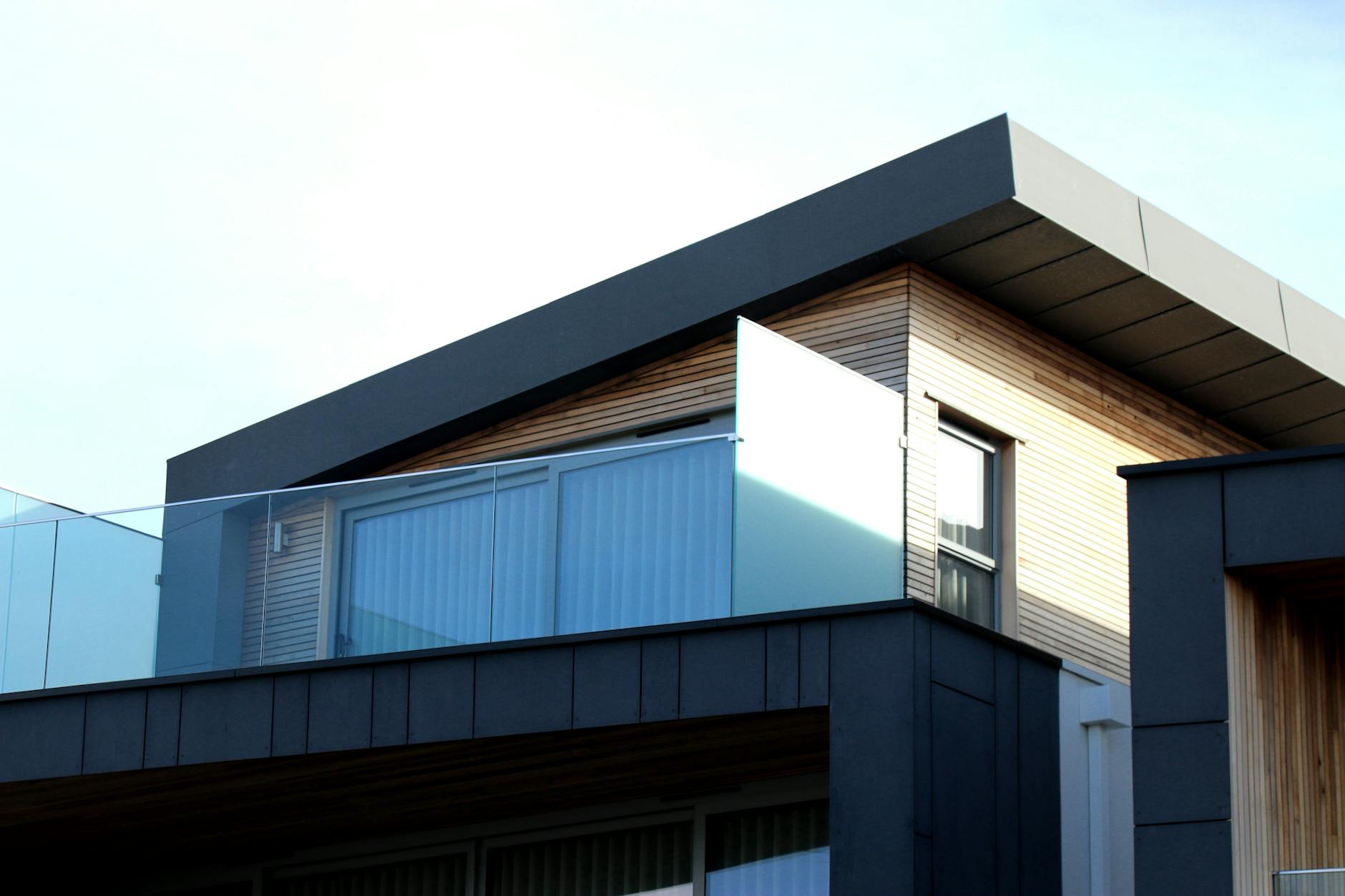
Architecture firms specializing in multi-generational living have developed sophisticated design principles that address privacy, accessibility, and shared space. The key lies in creating what designers call “connected but separate” living arrangements.
Successful compounds typically feature private entrances for each generation, ensuring that everyone can come and go without disrupting others. Soundproofing between units prevents noise transfer, while strategic placement of windows and outdoor spaces maximizes privacy. Many designs incorporate covered walkways or breezeway connections that allow for easy movement between spaces while maintaining weather protection.
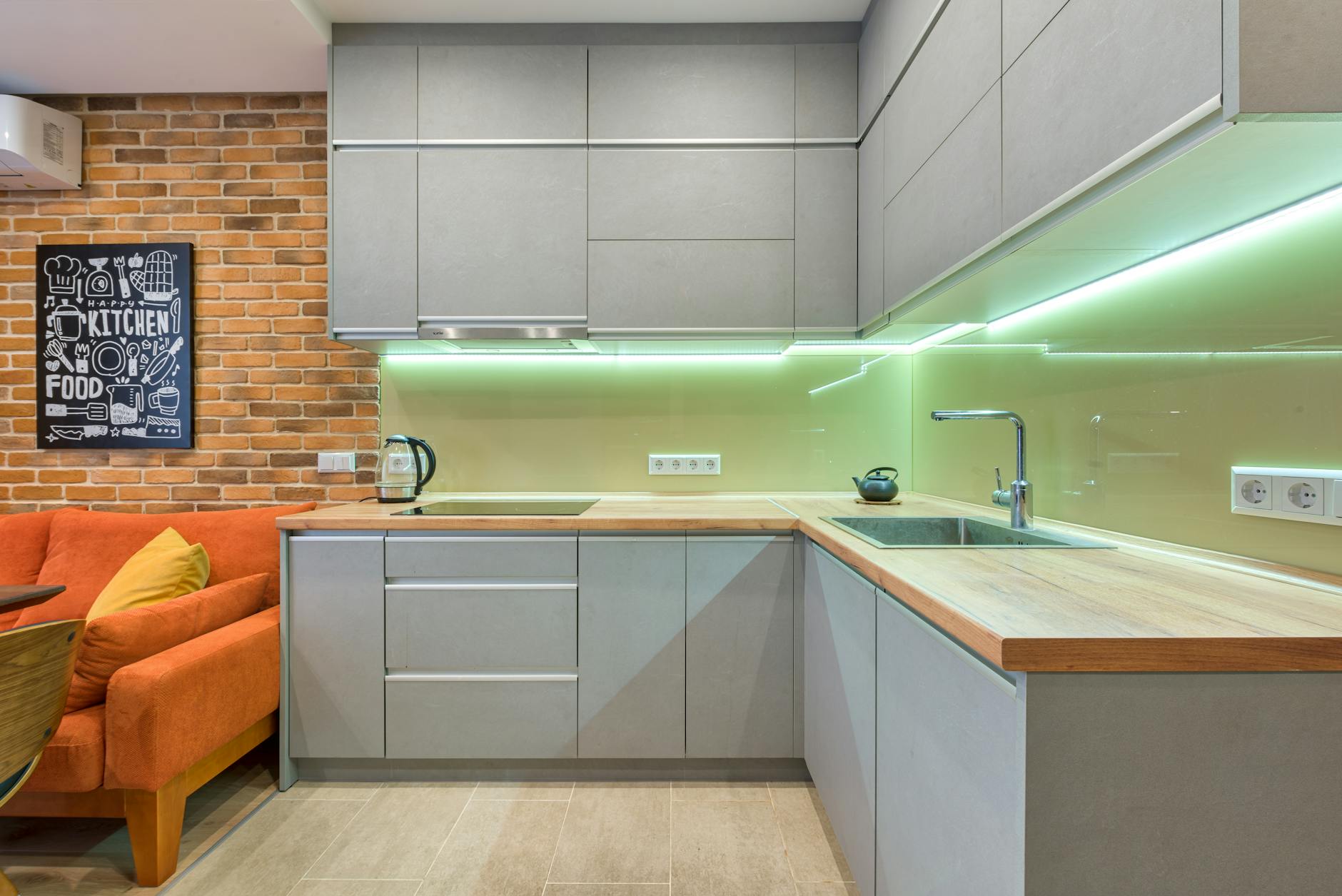
Kitchen arrangements require particular attention. While shared cooking spaces can foster connection, most families benefit from having at least a kitchenette in each unit. This prevents conflicts over meal timing, dietary preferences, and cooking styles while still allowing for family dinners when desired.
Universal design principles ensure that spaces remain functional as family members age. Wider doorways, ramp access, and accessible bathrooms prevent the need for expensive retrofits later. Smart home technology allows for monitoring and communication between units without intrusion.
Outdoor spaces play a crucial role in successful compounds. Shared gardens, play areas, and entertainment spaces create natural gathering spots, while private patios and balconies provide retreat areas. Swimming pools, fire pits, and outdoor kitchens become the heart of family life.
Navigating Challenges and Setting Boundaries
Multi-generational living requires clear communication and established boundaries to succeed. Families report that written agreements outlining responsibilities, expectations, and house rules prevent most conflicts before they start.
Privacy expectations must be explicitly discussed. When do family members need advance notice before visiting? How are shared spaces scheduled and maintained? What household expenses are split, and how are individual expenses handled?
Parenting decisions can become particularly sensitive when grandparents live on the property. Clear agreements about discipline, screen time, bedtime routines, and other child-rearing decisions prevent undermining and confusion. Most successful families establish that parents have final authority while grandparents serve in supportive roles.
The future of family living is already taking shape in communities across America. As housing costs continue rising and work-from-home arrangements provide location flexibility, more families are choosing to invest in multi-generational compounds rather than separate properties. This trend represents more than a housing solution – it’s a return to family-centered living that prioritizes relationships, shared resources, and mutual support across generations.
Frequently Asked Questions
What makes a successful multi-generational family compound?
Separate entrances, private living spaces, shared common areas, and clear boundaries between family members ensure both independence and connection.
How much can families save with multi-generational living?
Families typically save on childcare costs, shared utilities, property taxes, and can afford better locations by pooling resources for larger properties.