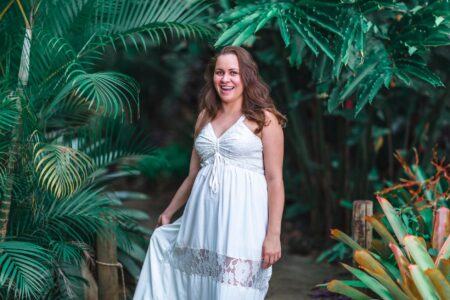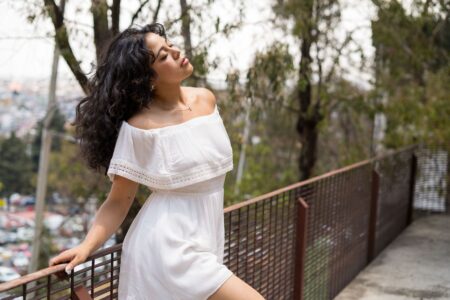



The raffia sandal had a good run. Woven, breezy, perpetually photogenic against terracotta tiles and white linen – it became the shorthand for warm-weather dressing that every brand from high street to high fashion adopted with zero hesitation. But something quieter, more structured, and considerably more wearable across multiple seasons is starting to take its place.
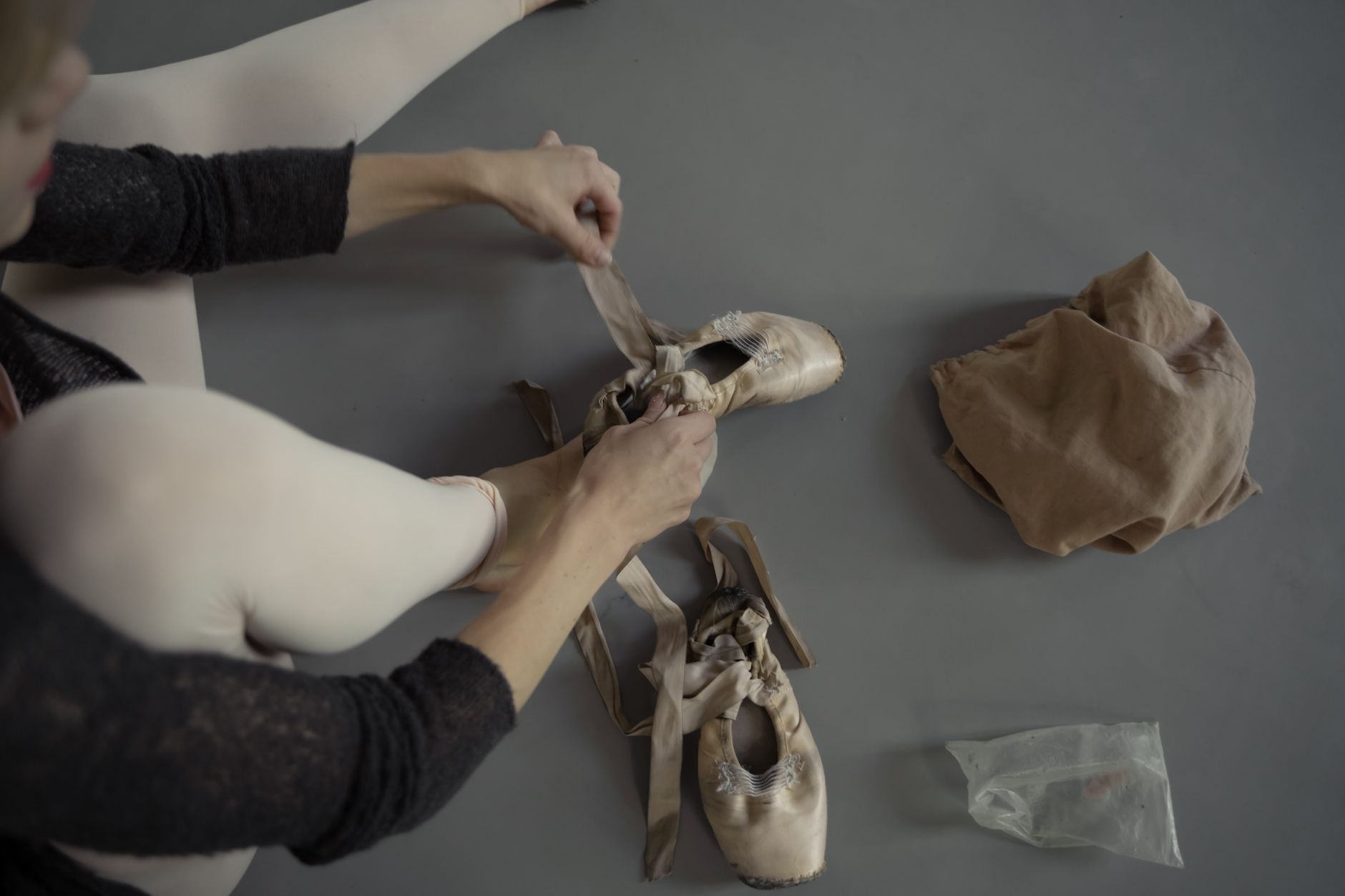
The Shift Happening on the Shop Floor
Walk into almost any footwear section right now and the crochet ballet flat is commanding real shelf space. Not novelty space – not the “isn’t this fun for summer” corner display – but prime placement alongside leather and suede styles that are treated as year-round wardrobe staples. The message from buyers is fairly clear: this is not a trend footnote.
What makes this interesting is the shoe’s specific design logic. The crochet ballet flat borrows the ease and elegance of the classic ballerina silhouette – low to the ground, minimally structured, with that characteristic rounded toe – but adds texture and visual depth through its woven construction. Where a plain satin or leather flat can read as either chic or plain depending entirely on what surrounds it, the crochet version carries its own personality without demanding attention from the rest of the outfit.
Color is doing a lot of work here too. While raffia sandals leaned almost entirely into naturals – ecru, camel, tan, the occasional terracotta – crochet flats are arriving in a much wider range. Cream and ivory remain popular, but designers are producing them in dusty rose, navy, forest green, and even jet black. That range means the shoe adapts to more wardrobes, not just those built around warm neutrals and flowing dresses.
The practical argument matters as well. A raffia sandal is a warm-weather proposition and not much else. It reads beach, it reads holiday, it reads one specific kind of day. The crochet ballet flat, worn with cropped trousers or a relaxed trouser, works from late spring through early autumn in most climates, and – with the right sock – can even push into the shoulder season. That versatility is exactly what is driving demand.
Why This Specific Shoe, Why Now
The timing connects to a broader appetite for craft-forward pieces that feel handmade without being precious. Crochet as a material has been circulating in fashion for a few seasons now – appearing on tops, bags, skirts, and cover-ups – and the shoe was, in some ways, the logical conclusion of that cycle. Once crochet proved it could live beyond festival fields and beach bags, footwear became the next territory to claim.
There is also something worth examining about the heel. The ballet flat is completely flat. That sounds obvious, but in a period when block heels, kitten heels, and even modest wedges were having significant moments, the return to zero elevation says something specific about where the fashion conversation has landed. Comfort is not just tolerated now – it is the starting point, not the compromise. Women are no longer interested in a shoe that requires negotiation with their body to wear for more than two hours.
The texture serves a functional purpose too, though not in the way you might expect. Crochet construction allows the shoe to breathe in a way that leather or synthetic materials cannot. On warm days, that matters. It also means the shoe has a slight give to it – the weave accommodates the foot more naturally than a stiff flat might, which solves one of the classic complaints about ballet flats as a category: that they can feel punishing after prolonged wear despite appearing soft.
Stylists have noticed that the shoe photographs exceptionally well, which – for a category that sells heavily through social media and editorial placement – is not a minor consideration. The texture catches light in a way that makes images feel more dimensional, and the silhouette is clean enough not to compete with clothing. That combination makes it the kind of shoe that gets tagged, shared, and then searched for immediately afterward.
Pricing has also helped position it as a genuine alternative rather than a luxury novelty. While the raffia sandal could command high price points through craftsmanship and provenance storytelling, the crochet flat is widely available at multiple price tiers. A shopper can find a solid version at a mid-market retailer without feeling like they are settling, which has opened the style to a much wider audience than typically adopts a trend in its early stages.
The Styling Reality
On the street, the crochet flat is appearing in combinations that would have looked strange two years ago. Worn with a tailored blazer and straight-leg trousers, it softens formality without making the look feel underdressed. Paired with a broderie anglaise cami and a long skirt, it adds a layer of texture that makes the outfit feel considered rather than accidental. The shoe is functioning less as a statement and more as a finishing detail – the kind of element a well-dressed person reaches for without overthinking.
The raffia sandal is not disappearing – it will surface again next spring in every resort collection, on every mood board built around Capri and the Amalfi coast. But the crochet flat does not need it to disappear to win. It just needs to be the answer to the question most women are actually asking when they get dressed: what shoe works right now, here, for this specific outfit, without requiring a dedicated occasion to justify it?