


Broderie Anglaise Moves Off the Blouse and Onto the Bottom Half
For years, broderie anglaise lived almost exclusively above the waist – a fabric reserved for peasant blouses, off-shoulder tops, and the occasional sundress frill. This season, something shifted. The eyelet-cut cotton has migrated south, appearing in trouser silhouettes that are drawing serious attention from buyers and fashion editors who had, until recently, considered linen wide-legs the undisputed warm-weather pant.
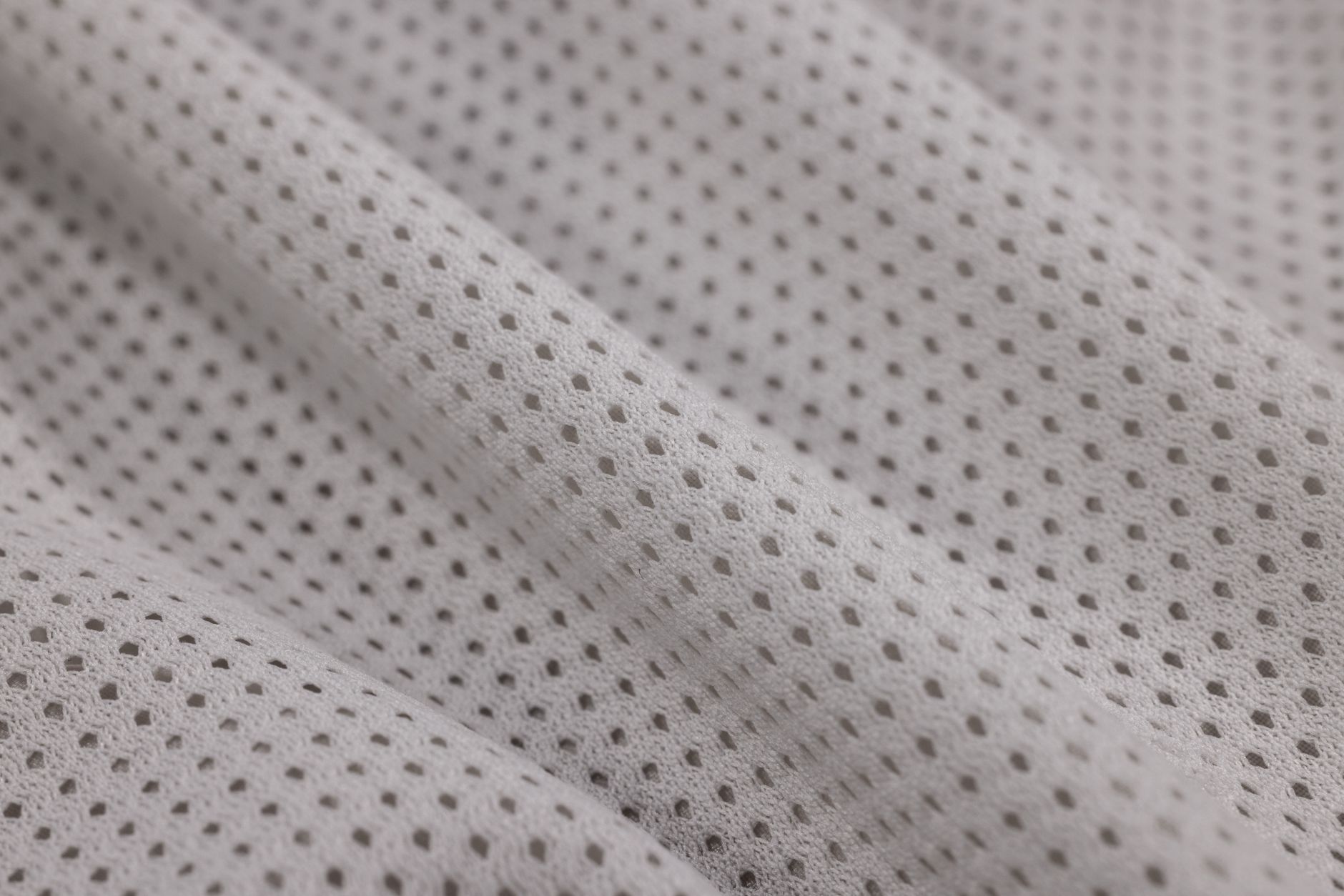
The broderie anglaise trouser is not a radical departure from what came before – it still reads as relaxed, warm-weather dressing with a certain ease about it. But the textural depth that comes from that perforated embroidery work does something linen simply cannot: it makes a trouser look finished without trying. The result is a bottom that holds its own without needing much on top to compete with it.
Why Linen Is Starting to Feel Like the Safe Option
Linen wide-legs had a long run. They became, over several summers, the go-to choice for women who wanted something that looked deliberate but felt comfortable – trousers that communicated effortlessness without sacrificing structure. The problem is that “effortless linen” has been photographed, pinned, and recommended into cliche. When a silhouette becomes the default, it stops reading as a choice. It starts reading as a fallback.
Broderie anglaise trousers, by contrast, require a small act of commitment. The fabric is more specific. The visual texture means you cannot just throw them on with anything and disappear – there is inherent personality in the cutwork pattern, which forces the rest of the outfit to respond. That level of intentionality is what separates a trend from a staple, and right now, the broderie trouser is firmly in trend territory – which is exactly where fashion attention lives.
The Silhouette Question: Wide, Tapered, or Somewhere In Between
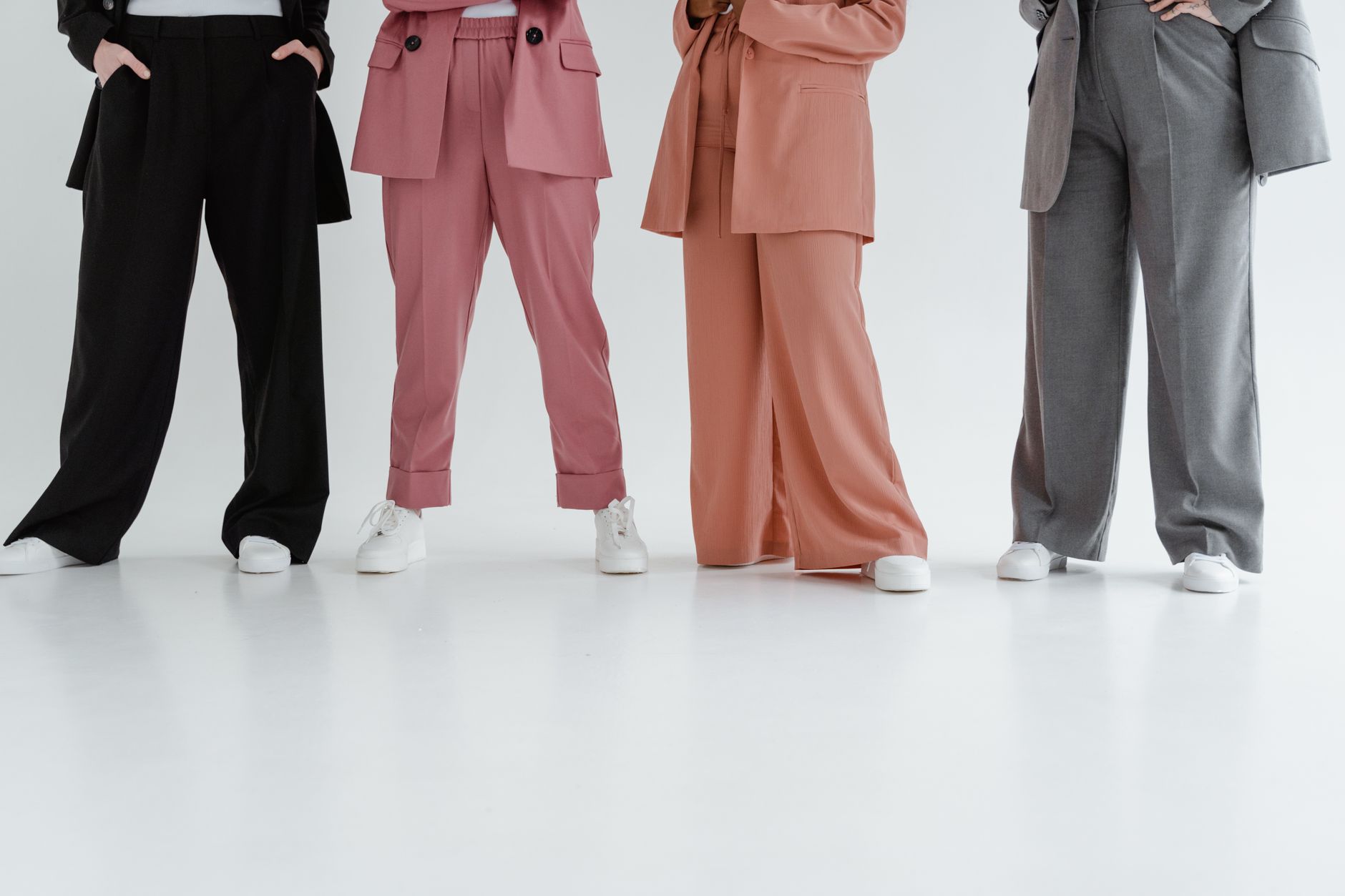
Not all broderie anglaise trousers are arriving in the same shape. Wide-leg versions exist, borrowing directly from the linen silhouette they are gradually replacing, but the more interesting cuts are slightly tapered – a straight leg that skims rather than billows, hitting at the ankle or just above. That particular length matters because it keeps the embroidery visible without bunching at the hem, where the intricate cutwork would otherwise get lost in fabric pooling at the foot.
High-waisted versions are dominating, which makes sense given that broderie anglaise as a fabric has a vintage, almost Victorian reference point baked into its construction. A high rise leans into that history without making the silhouette feel costume-y. It also solves a practical problem: because the fabric has an open weave structure, it benefits from clean, uninterrupted panels – and a high waist provides exactly that across the most flattering section of the garment.
Color is staying almost entirely in the white and off-white register. A few ivory-to-cream options are appearing, and some brands are experimenting with tonal embroidery – white-on-white, or pale blush on ecru – but the fabric’s heritage is so tied to bright white cotton that deviations into bold color tend to look like a different garment entirely rather than a riff on the original. That whiteness, incidentally, is partly what is fueling the replacement conversation: white broderie reads crisper and more considered than natural linen, even when worn casually.
The waistband treatment varies more than the color palette. Elasticated backs are common for the resort and weekend market, while structured waistbands with a single button closure are showing up in more polished iterations. That range of finish is part of why the trouser is translating across different dress codes – the same basic silhouette can read as beach-adjacent or office-adjacent depending on how the top half plays against it.
How to Style Them Without Overthinking It
The visual busyness of the embroidery means the most effective styling keeps everything else minimal. A fitted white tank – cotton or ribbed jersey – worn tucked in lets the trouser do the work without creating a clash of textures. A simple linen button-down, left open over a bandeau, offers a slightly more layered approach without adding visual noise. The fabric already has enough going on that adding pattern on top tends to feel congested rather than considered.
Footwear choices can push the trouser in either direction. Flat sandals keep it relaxed and warm-weather appropriate – rope-sole sandals in particular complement the natural fabric story without competing with the embroidery’s texture. A kitten heel or a simple mule lifts the trouser into dinner or event territory without requiring a full wardrobe rethink. That adaptability across occasions is, frankly, the commercial argument for why this particular style is gaining ground.
Where This Leaves the Linen Wide-Leg
Linen is not disappearing. It remains genuinely practical – breathable, widely available across price points, and wearable in a range of colors that broderie anglaise cannot easily match. But the linen wide-leg as the aspirational summer trouser, the one that populates fashion shoots and sells out in June, is facing real competition. When a fabric that was previously considered purely a blouse material starts outperforming linen in terms of editorial interest and sell-through at the premium end of the market, the hierarchy has moved.
The more pointed question is what happens to broderie anglaise trousers once they reach full saturation. The eyelet fabric’s appeal is partly its specificity – it feels like a real decision, not a default. The moment it becomes the safe choice, it will face the same fate as the linen wide-leg it is currently replacing. For now, though, that moment has not arrived. Stockists are still placing initial buy orders rather than repeat ones, which means the trouser is in the most commercially interesting phase of a trend’s lifecycle: wanted, but not yet everywhere.