


The Cover-Up Is Getting a New Identity
The sarong has spent decades as the default poolside companion – a rectangle of fabric tied at the hip, effortless in theory, often awkward in practice. It slips, it bunches, it requires a certain confidence to carry off without looking like you raided a resort gift shop. This season, a quieter option is pulling focus: the broderie anglaise cover-up, with its crisp white eyelet fabric, structured hemlines, and the kind of considered detailing that reads less “beach bag afterthought” and more “actual outfit.”
The shift is visible across both the high street and the higher end of resort collections. Broderie anglaise – that needle-punched, embroidered cotton fabric traditionally associated with Victorian blouses and children’s summer dresses – has found a second life as the fabric of choice for swimwear cover-ups. Midi dresses, wide-leg trousers, button-front shirts, and off-shoulder tunics are all arriving in eyelet cotton, and they are moving fast off shelves. The sarong, by contrast, is starting to feel like the option you reach for when nothing else is packed.
Why Broderie Anglaise Works at the Water’s Edge
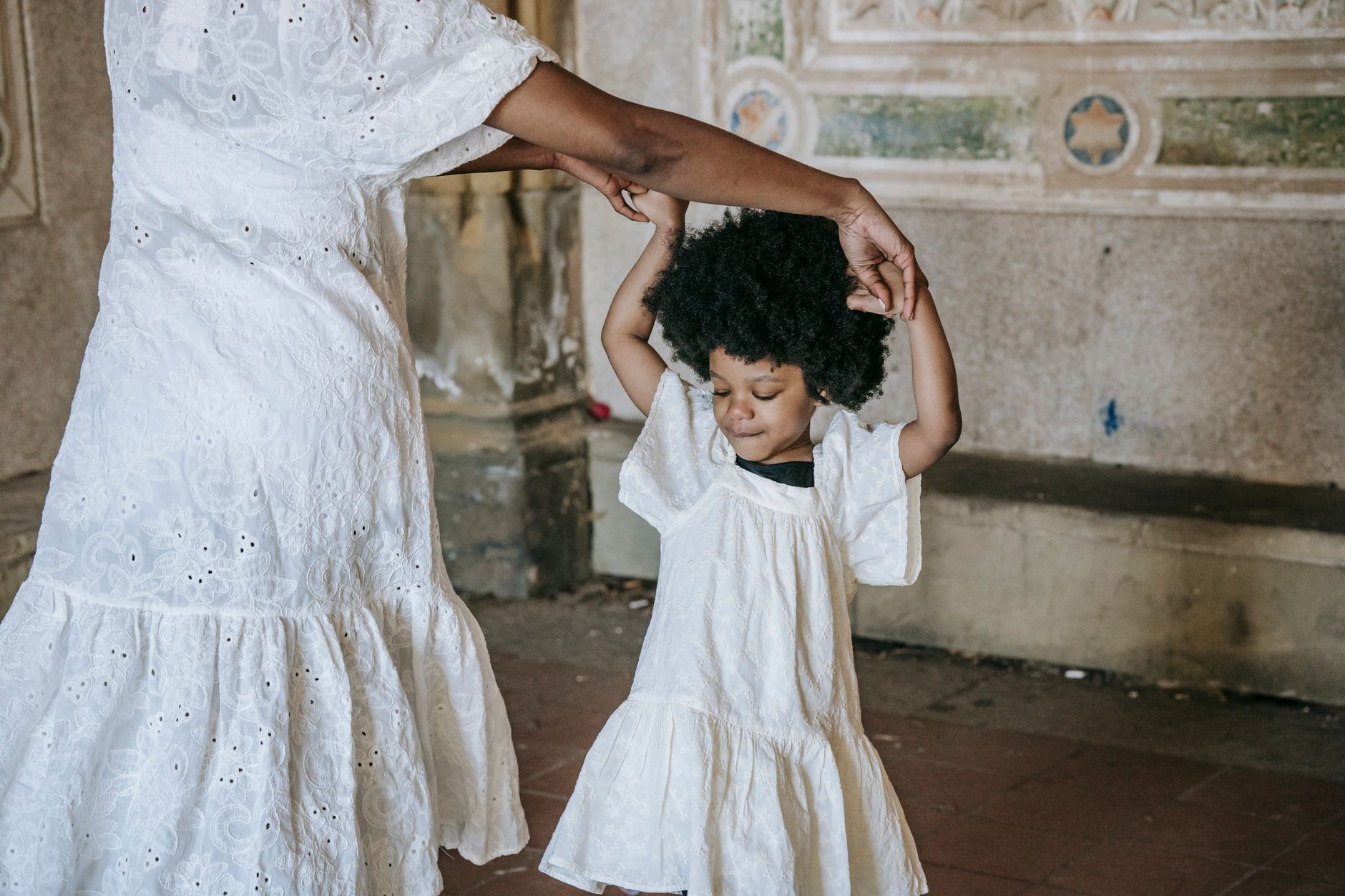
The practical argument for broderie anglaise cover-ups is straightforward. The fabric is cotton-based, which means it breathes well in heat, dries quickly after contact with water, and doesn’t cling to a wet swimsuit the way synthetic fabrics do. The eyelet perforations – those small, regularly spaced holes that define the textile – actually increase airflow, making it more comfortable in direct sun than a tightly woven alternative. It handles heat better than linen, wrinkles less catastrophically than poplin, and has enough body to drape properly rather than collapse against the skin.
There is also a styling logic that the sarong simply cannot match. A broderie anglaise midi dress or shirt can transition off the beach without announcing exactly where you’ve come from. The fabric is formal enough for a waterfront lunch, casual enough for a market stroll, and distinctive enough to read as intentional rather than improvised. The sarong’s problem has always been that it looks like a sarong – a beach-specific item that broadcasts its function the moment you step beyond the sand. Broderie anglaise doesn’t carry that limitation.
The Design Details Driving the Trend
What’s distinguishing this season’s broderie anglaise cover-ups from the generic versions that appear every few summers is the attention to cut and construction. Brands are treating eyelet cotton with the same structural consideration they’d give a ready-to-wear piece: fitted bodices, intentional volume in skirts, precise shirring at the waist, and ruffled or scalloped hems that use the fabric’s existing edge detailing as a design feature rather than an afterthought.
The silhouettes running strongest right now are the midi-length button-front dress and the wide-leg pull-on trouser worn with a cropped broderie anglaise top. Both work because they create an actual outfit framework rather than a draping solution. The button-front dress in particular has gained traction because it opens fully – functioning as both a cover-up and a standalone piece depending on how many buttons are fastened.
Color is almost entirely beside the point. Broderie anglaise is white, and the cover-ups arriving in stores this season are overwhelmingly committed to that fact. There are occasional ivory or ecru versions, and a small number of brands are offering the fabric in black for evening-adjacent resort wear, but the core appeal of the trend is that clean, slightly retro whiteness. It photographs well, it reads immediately as resort wear without being reducible to it, and it works against virtually every swimsuit color.
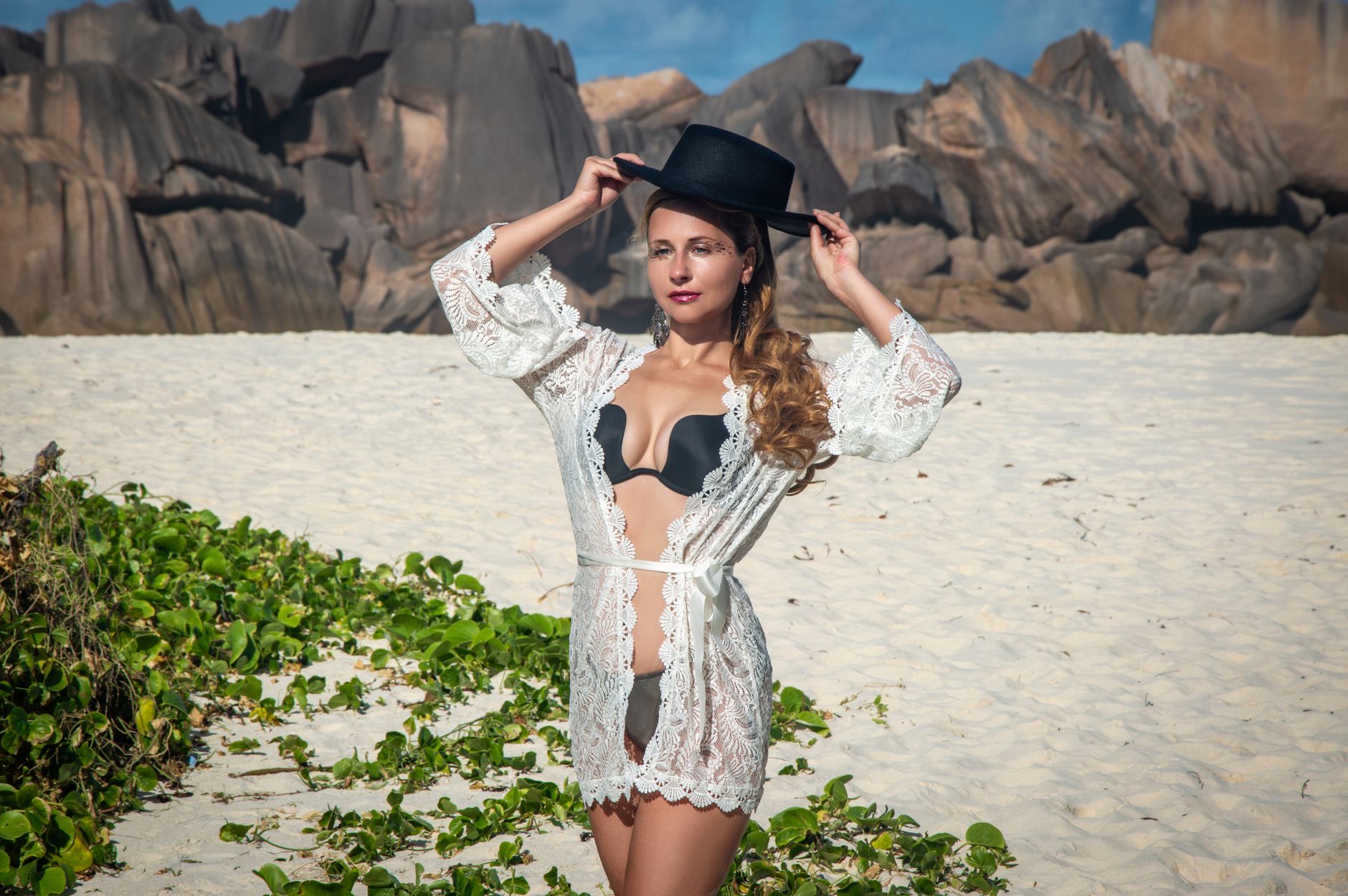
The scalloped hem detail deserves particular mention. Many of this season’s strongest pieces are using the raw edge of the broderie anglaise as a finished hem – the fabric’s inherent decorative border doing the work that lace or trim would otherwise do. It keeps the garments feeling light and uncluttered while still reading as finished. That’s harder to pull off than it sounds, and it’s part of why some versions of this cover-up look expensive at a glance even at accessible price points.
The Sarong’s Position Right Now
None of this is a formal retirement announcement for the sarong. It will continue to sell, and there are contexts where it makes complete sense – a quick wrap over a bikini for a walk to the beach bar, a lightweight layer on a boat where packing space is limited. Its simplicity is a genuine feature for certain situations. But it has ceded meaningful ground as a considered style choice, particularly among buyers who are thinking about their beach wardrobe in the same terms they’d think about any other capsule.
The sarong’s enduring weakness is that it requires active management. It needs to be tied, adjusted, retied, and it rarely stays where it is supposed to stay without either a safety pin or constant attention. The broderie anglaise cover-up, by design, just stays on. That functional advantage compounds over the course of a beach day.
Styling It Beyond the Beach
The most interesting thing about the broderie anglaise cover-up trend is what happens when it moves away from water entirely. A white eyelet midi dress worn with flat sandals and a straw bag reads as a summer day dress without any beach association at all. The wide-leg trouser version, paired with a fitted white tank, works as a warm-weather alternative to linen trousers. The cover-up framing is almost incidental to how these pieces are actually being styled and worn by the people buying them.
That versatility is exactly what the sarong never achieved. A sarong styled away from the beach looks like a sarong styled away from the beach. The broderie anglaise cover-up doesn’t carry that context with it – it just looks like a white cotton garment, which is a very easy thing to dress up or down depending on what it’s paired with. Footwear choices play into this heavily: flat metallic sandals or simple leather slides keep the look grounded while reinforcing the elevated-casual register that makes the whole category work.

The broader appetite for garments that work across multiple contexts – that justify their wardrobe space by functioning in more than one setting – is what’s propelling broderie anglaise cover-ups past the sarong in practical terms. A piece you pack for a beach holiday and then wear twice more at home before the summer ends earns its place. A piece that works exclusively at the water’s edge faces a harder argument every season. Right now, broderie anglaise is winning that argument on almost every front – except, perhaps, for anyone who genuinely enjoys retying a knot at the hip every twenty minutes.