


The pleated midi skirt has had a long run. For several seasons it served as the reliable middle ground between casual and dressed-up, easy to style and easier to sell. But something is shifting on the rails this summer, and it has eyelet cutouts and a floor-grazing hemline.
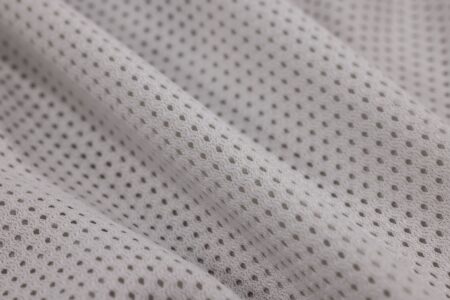
Broderie anglaise – the embroidered cotton fabric defined by its delicate perforated patterns – has moved quietly from a cottagecore footnote into a genuine wardrobe staple. The maxi silhouette carrying it is doing something the pleated midi never quite managed: it works at the beach, at brunch, and at a garden wedding without requiring a single accessory swap.
Why the Maxi Length Is Winning Right Now
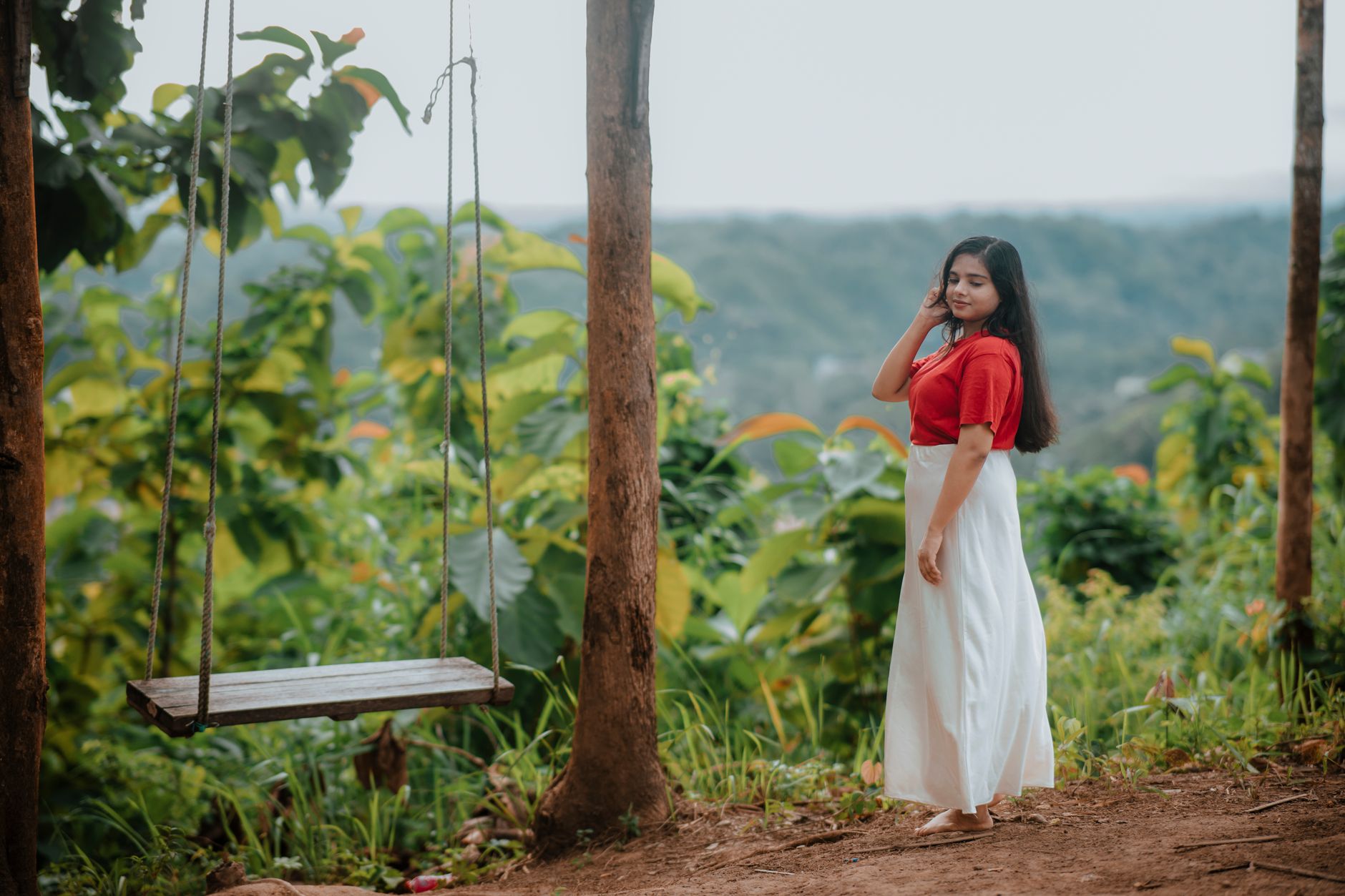
There is a particular exhaustion setting in around the midi. It dominated so completely – from office wear to weekend dressing – that it started to feel less like a choice and more like a default. The broderie anglaise maxi skirt offers an exit from that loop. Its length feels deliberate rather than safe, romantic rather than merely practical.
The maxi silhouette has always carried a certain confidence. Wearing something that skims the ground requires committing to a look rather than hedging toward versatility. What broderie anglaise adds to that commitment is texture and lightness in the same breath – the fabric is visually busy but physically airy, which makes the length feel effortless rather than heavy. That combination is hard to replicate in the smooth pleated fabrics that defined the midi moment.
There is also a generational piece to this. The maxi skirt carries associations with 1970s ease and early 2000s bohemian dressing, both of which are cycling back into reference at the same time. Broderie anglaise sharpens that nostalgia without leaning fully into costume. The result reads as vintage-informed rather than vintage-costumed, which is exactly the balance younger shoppers are currently chasing.
The Fabric Does the Heavy Lifting
Broderie anglaise is not a trend fabric in the way sequins or metallics are trend fabrics. It does not announce a season and disappear. The technique – originally popularized in 19th-century Europe as a form of whitework embroidery – has appeared in fashion in regular cycles because cotton eyelet simply ages well. It washes cleanly, softens over time, and never looks cheap if the construction is decent.
That durability is part of why the broderie anglaise maxi is gaining ground in a climate where shoppers are increasingly skeptical of pieces that feel disposable. A pleated midi in a satin-adjacent fabric has a shelf life that is measured in seasons. An eyelet maxi skirt in white or cream can circulate through a wardrobe for years without reading as dated.

How It Is Being Styled and Who Is Reaching for It
The styling conversation around this skirt is more interesting than the skirt itself, which is saying something. Brands and early adopters are pairing it in ways that deliberately resist the obvious – rather than leaning into the cottagecore or beachwear lane the fabric normally occupies, the more forward styling involves structured linen blazers, simple ribbed tanks, and flat leather sandals. The goal appears to be grounding the romanticism of the fabric in something that reads as urban-capable.
That urban-capable angle is where the broderie anglaise maxi starts to genuinely challenge the pleated midi on its own territory. The midi skirt built its dominance partly by being office-appropriate, something a floor-length eyelet skirt was never supposed to be. But as dress codes continue to soften and the boundary between work-wear and weekend-wear continues to blur, the maxi is becoming surprisingly viable for more structured environments – provided the styling around it is edited down.
The color story is also worth paying attention to. White and off-white dominate, but this season there is a growing number of broderie anglaise pieces appearing in blush, pale sage, and even light denim blue. Those tonal shifts allow the silhouette to move away from its bridal-adjacent associations and sit more comfortably in a contemporary wardrobe. A pale sage eyelet maxi reads completely differently from a white one, even when the construction is identical.
What the pleated midi offered was clarity. You knew exactly how to wear it and exactly where it worked. The broderie anglaise maxi is less prescriptive, which makes it slightly more demanding but also significantly more interesting. Shoppers willing to work with it rather than simply default to it are finding that it travels across more occasions than its romantic reputation suggests. The ones who are not quite ready to commit are still reaching for their pleated midis – but the numbers on those rails are quietly thinning.