


The Quiet Takeover Happening in Your Wardrobe
The cotton knit cardigan has been a wardrobe anchor for years – easy to layer, easy to wash, easy to ignore. It became the default top-half solution for anyone who wanted something between a T-shirt and a proper jacket. But something is shifting on the rails this season. The broderie anglaise cardigan – eyelet-embroidered, often cotton-based but unmistakably more considered – is appearing in more baskets, more editorials, and more street style captures than its plain-knit counterpart. And unlike most fashion swaps, this one is happening without a single viral moment.
What makes this worth paying attention to is the logic behind the switch. The broderie anglaise cardigan is not a louder garment. It does not ask for attention the way a sequined piece or a bold print does. Its appeal is in texture and detail – the perforated floral pattern that catches light, the slightly structured feel that lifts an outfit without any styling effort. Women who have spent years reaching for the cotton knit are finding that one broderie cardigan is doing more work per wear than their stack of plain ones ever did.
Why Broderie Anglaise Works Now
The timing connects to a broader appetite for clothes that feel finished rather than basic. After years of “elevated basics” being the dominant aspiration – where the goal was to own better versions of simple things – there is growing interest in pieces with actual craft built in. Broderie anglaise is not a complicated technique, but it reads as intentional. The embroidered eyelets take time to produce, and that shows. A cardigan in this fabric does not look like something that came in a three-pack.
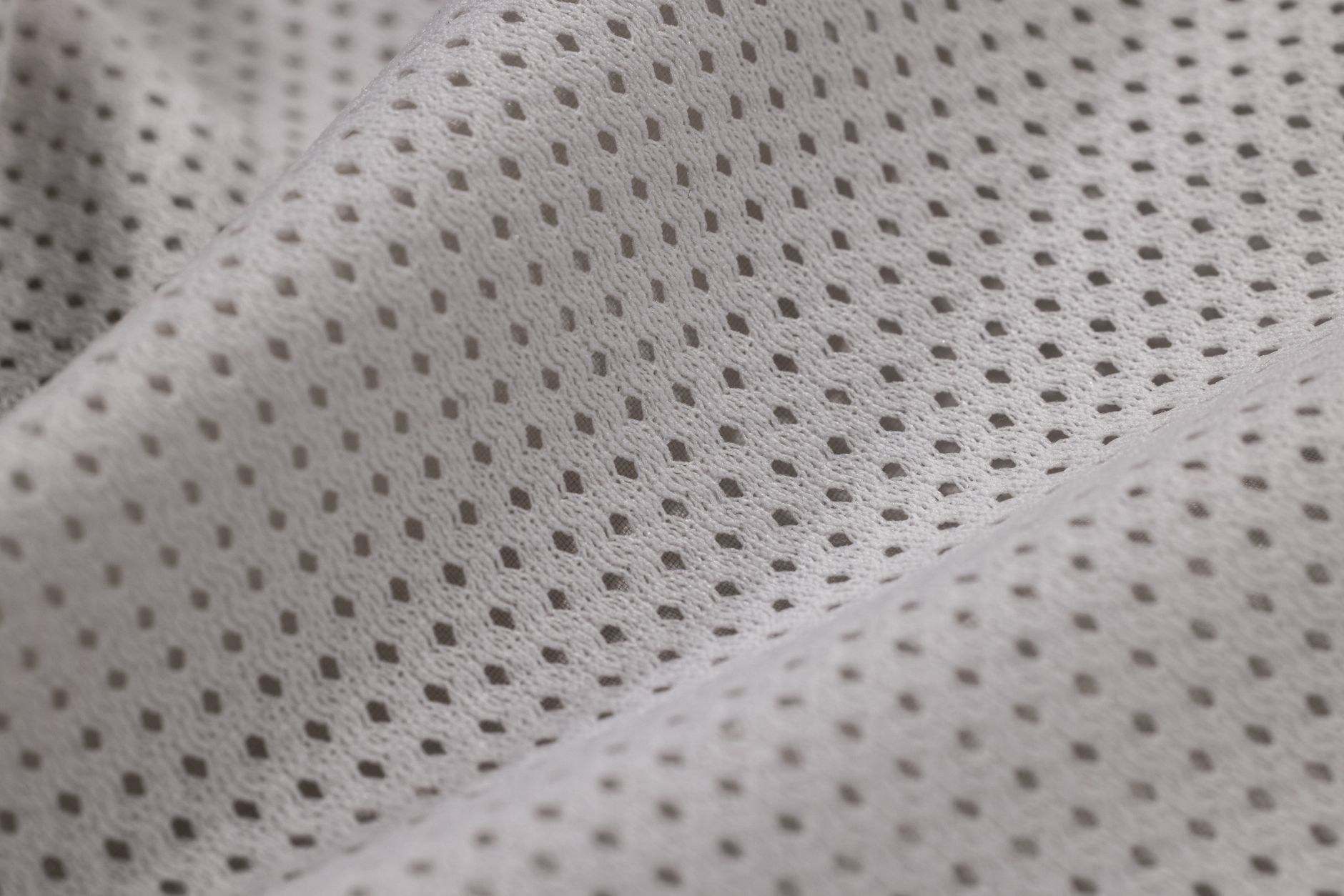
The fabric also solves a practical problem that plain cotton knit has never fully cracked: breathability with substance. A standard cotton knit cardigan can feel either too warm or too thin depending on the weight. Broderie anglaise, because of its perforated construction, allows air movement while maintaining enough body to hold its shape. That balance makes it genuinely useful across different temperatures – something a holiday packer or a commuter dealing with unpredictable office air conditioning will notice immediately.
Styling versatility is another point in its favor. The texture of broderie anglaise reads feminine without requiring a feminine silhouette beneath it. It sits over wide-leg trousers without looking fussy. It layers over a slip dress without adding bulk. It works buttoned fully or worn completely open as a light layer over something minimal. The cotton knit cardigan, by contrast, tends to disappear into an outfit – which is either a feature or a flaw depending on what you are going for, but rarely creates an impression on its own terms.
Color also plays differently in broderie anglaise. White and off-white versions – the most commonly produced – carry more visual weight than the same shades in a plain knit because the eyelet pattern creates shadow and dimension. Cream broderie looks intentional. Cream cotton knit often looks like a layering piece that got promoted beyond its pay grade. That distinction matters when building outfits around a single hero item, which is how most people actually dress.
How Brands Are Reading the Signal
A growing number of mid-market and independent labels are quietly shifting their cardigan offerings this season. Broderie anglaise styles are appearing in places where cotton rib knits used to dominate – not as a seasonal novelty but as a core option. Some brands are replacing their standard lightweight cardigan slot with a broderie version entirely, betting that the customer who once bought plain will upgrade without much hesitation once she tries the textured alternative.
The price point conversation is also less fraught than you might expect. Broderie anglaise cardigans are slightly more expensive to produce than plain knits, and that cost is typically passed on – but not dramatically. A cotton knit cardigan at the quality end of the high street might sit at thirty to fifty pounds. A comparable broderie anglaise version tends to land twenty to forty pounds above that. For a piece worn repeatedly across seasons, that gap closes quickly in cost-per-wear terms, and most women who have made the switch report that they reach for the broderie version first every time.
Styling It Without Overthinking
The easiest entry point is pairing a white or ivory broderie anglaise cardigan with something equally simple underneath – a plain white tank or a fine-knit vest. The cardigan becomes the visual interest; the rest of the outfit just needs to stay out of the way. This works particularly well with relaxed trousers, where the soft tailoring below balances the delicate texture above without either element fighting for dominance.
For those hesitant about white, dusty pastel versions – sage, pale blue, warm blush – offer the same textural effect with slightly more forgiving wear. The embroidery pattern in those shades tends to read as shadow tones rather than stark contrast, making the piece feel more casual and less precious. Worn over a midi skirt or tucked loosely into a high-waisted trouser, it holds the same quiet authority without the dry-cleaning anxiety.
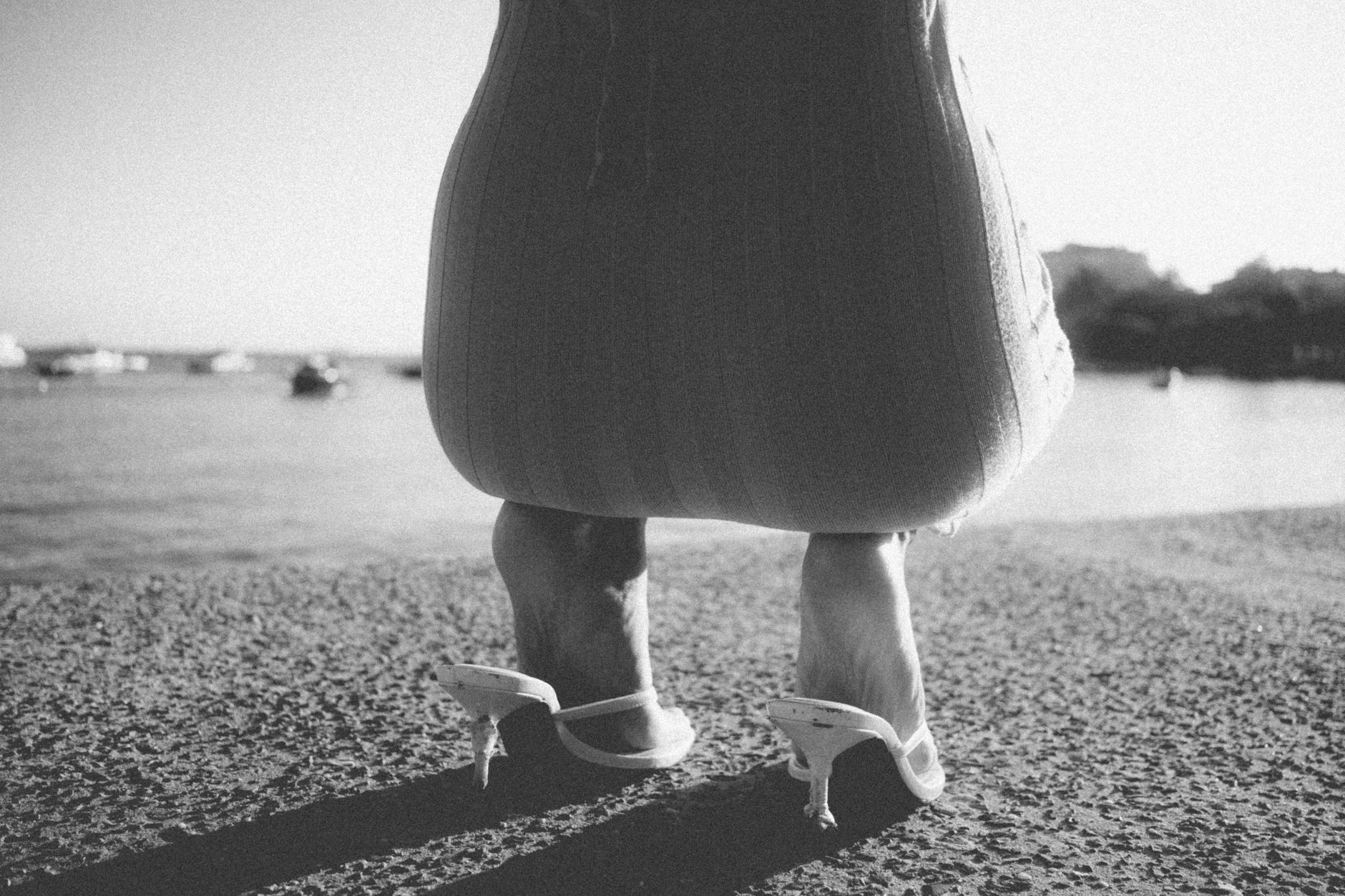
The silhouette question is worth addressing directly. Broderie anglaise cardigans tend to be cut with some structure – enough to keep the eyelet fabric from collapsing – and that structure means they do not always behave like a soft knit. They skim rather than drape. For women who have built outfits around the relaxed, slightly slouchy energy of a cotton knit, this takes one or two wears to adjust to. But the trade-off is that the broderie cardigan photographs better, holds its shape longer through a day, and does not pill after six washes the way even good cotton knit eventually does.
The cotton knit is not disappearing. It still has a role in colder-weather layering, in the kind of casual dressing that genuinely requires invisible clothes, and in the category of things you buy without thinking too hard. But as a considered wardrobe choice – as the piece you reach for when you want to look dressed without getting dressed – it is losing ground to something more interesting that costs almost the same and lasts considerably longer.