

Tulle was supposed to stay in its lane – bridal boutiques, ballet studios, the occasional costume drama. Simone Rocha had other plans, and now the rest of fashion is catching up.
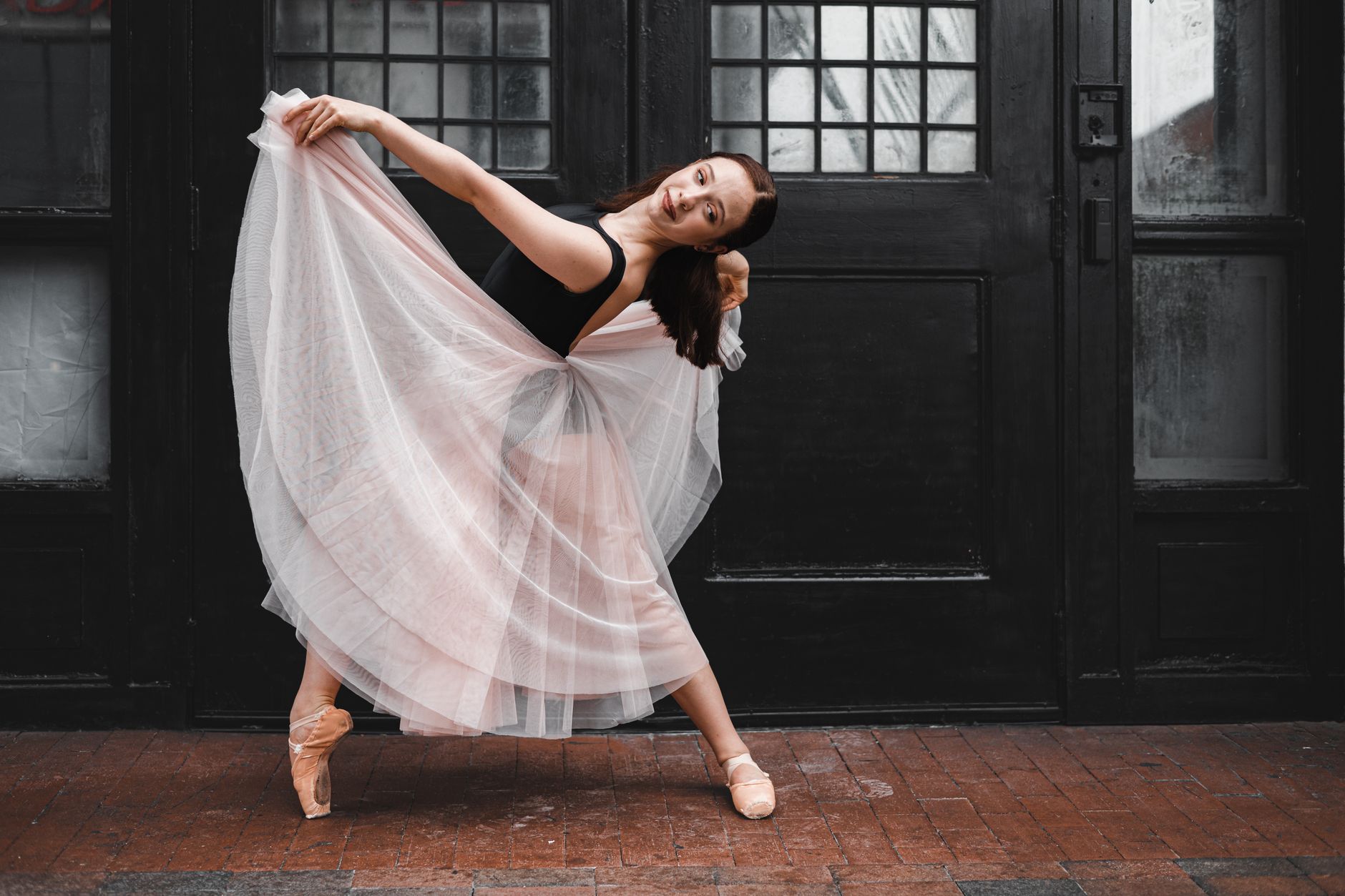
How a Niche Designer Aesthetic Became a Wardrobe Staple
Simone Rocha has been building her visual language since her Central Saint Martins graduate show in 2010, and tulle has been central to it from the start. Her collections layer the fabric in ways that feel simultaneously Victorian, feminine, and slightly unsettling – a pearlescent underskirt peeking beneath a structured coat, a tulle collar grafted onto an otherwise austere dress. The effect is never purely pretty. There is always something stiff, slightly off, that keeps the look from reading as costume.
For years, this was considered a difficult aesthetic to translate outside of fashion week circles. Tulle carries baggage – prom nights, flower girls, anything that can be described as “princess-adjacent.” Rocha’s genius was in keeping the fabric while stripping away the sweetness, pairing it with heavy boots, utilitarian outerwear, and fabrics with genuine weight and texture. The contrast is what makes it work. A tulle hem that would look precious on its own becomes something stranger and more interesting when the rest of the outfit resists it.
The shift into the mainstream has been gradual. High street retailers began offering tulle midi skirts and layered hem details around 2021 and 2022, but those early pieces leaned too far into the balletcore direction – all blush tones and delicate florals – missing the darker, more structural quality that defines Rocha’s actual vision. More recently, a second wave of high street and contemporary brands has gotten closer to the real thing, offering tulle in black and deep jewel tones, paired with harder silhouettes rather than floaty blouses.
The reason the aesthetic is traveling now, rather than earlier, comes down to the broader fashion appetite for what might be called “difficult femininity” – clothing that reads as soft or ornate but carries an edge that resists easy categorization. Rocha’s tulle fits that appetite better than almost anything else currently in circulation.
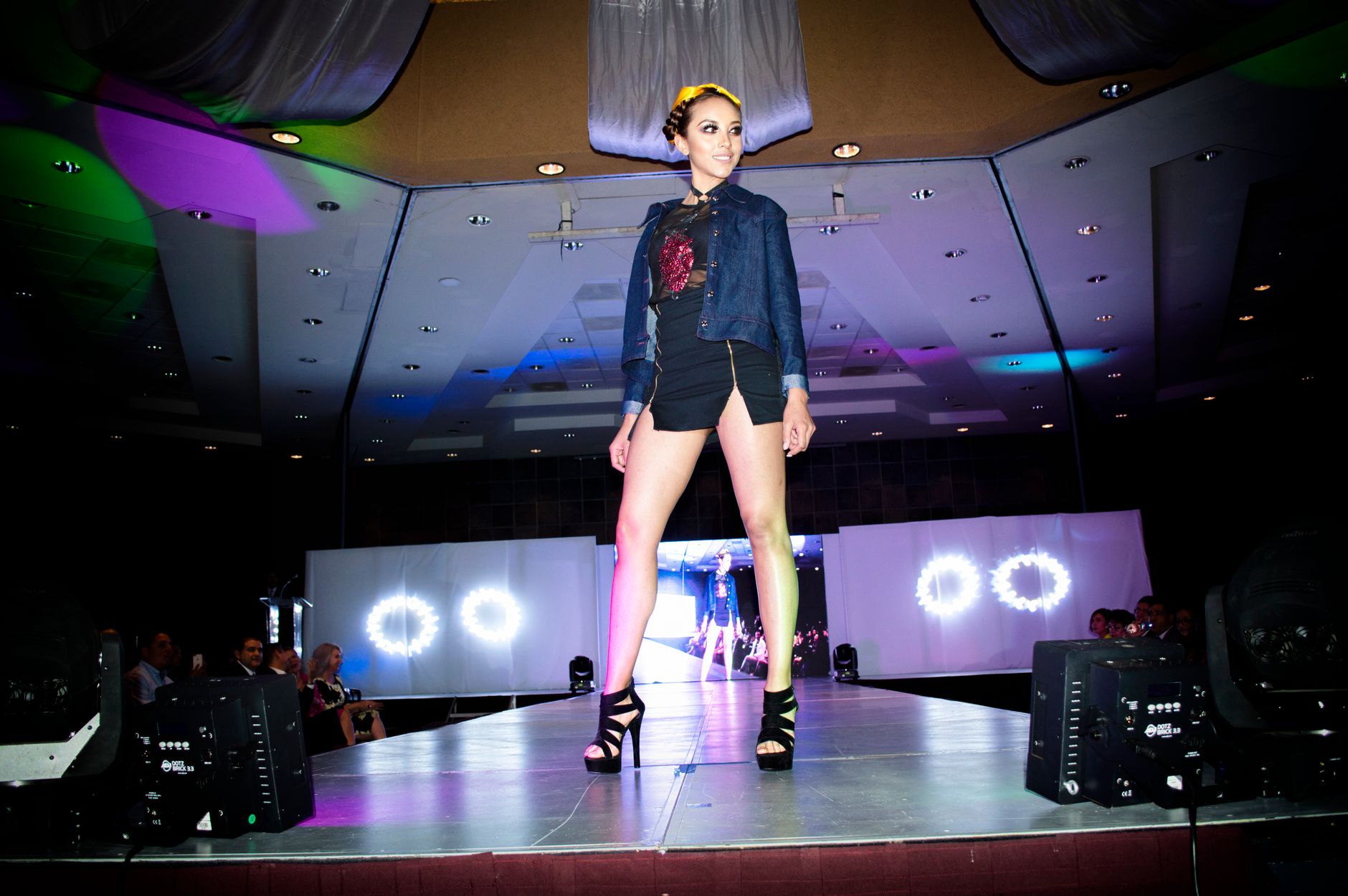
What the Mainstream Adoption Actually Looks Like
Walk through any mid-range department store today and the tulle influence is visible in specific, identifiable ways. Layered skirts with exposed tulle underskirts. Dresses with tulle panels set into otherwise structured bodices. Blouses with tulle sleeve detailing that adds volume without softness. These are not copies of Rocha’s work in any direct sense, but the design logic is borrowed from her, whether the brands making these pieces acknowledge it or not.
The styling codes traveling with the fabric are equally telling. Tulle pieces are increasingly shown with ankle boots or chunky loafers rather than heels, a direct echo of how Rocha’s own runway styling operates. The color palette has moved away from blush and white toward black, forest green, burgundy, and ivory – colors that let the texture of the tulle read as structural rather than decorative. Even the proportion choices have shifted: longer lengths, fuller volumes, skirts that hit mid-calf rather than falling at the knee.
Social media has accelerated this process considerably. Rocha’s aesthetic photographs in a particular way – the tulle catches light differently than most fabrics, creating a softness that reads well on camera without looking flat – and that quality has made it popular among the kind of fashion-focused content creators who translate designer language for broader audiences. A piece that might have felt intimidating in person becomes approachable once it has been styled repeatedly by people whose entire job is making clothes look wearable.
The bridal market has also played a role. Rocha’s bridal and bridesmaid pieces have been adopted by a generation of couples who want something outside the conventional wedding aesthetic, and those choices have introduced the tulle-and-structure combination to guests who might never have encountered it otherwise. Wearing something to a wedding is a different kind of exposure than seeing it in a magazine – it is tactile, three-dimensional, something you watch move across a room all afternoon.
What separates genuine engagement with Rocha’s aesthetic from simple trend-chasing is the willingness to commit to the contrast. The pieces that land – in any price bracket – are the ones that resist prettifying the tulle. When the fabric sits next to something hard or utilitarian or slightly severe, it does what Rocha intends. When it is surrounded by everything soft, it collapses back into prom-dress territory.
The Tension Between Influence and Dilution
Every designer who builds a genuinely distinctive aesthetic faces the same problem when it goes wide: the copies capture the surface without the logic underneath. A tulle skirt sold at a third of the price can replicate the silhouette but rarely the weight distribution, the way the layers are engineered, the specific density that keeps the fabric from looking like it came off a costume rack. Rocha’s construction is part of the point, and that is the first thing to disappear in translation.
Whether that dilution ultimately helps or hurts Rocha’s position is an open question. Broader visibility has a way of making a designer seem inevitable rather than singular – and there are already shoppers who encounter the tulle trend at high street level first and discover Rocha only afterward, reversing the usual direction of influence. The aesthetic is out in the world now, moving on its own terms, which is a very different thing from being a runway signature that occasionally filters down.