


A Throwback Look That Doesn’t Feel Like a Costume
A voluminous blowout, feathered bangs, winged liner and a satin mini should read as a Halloween costume. On Sabrina Carpenter, they read as a signature. Over the past couple of years, the singer has turned a vintage-leaning visual vocabulary into the most recognizable pop aesthetic of the moment, and she has done it while the music behind it hit commercial and critical highs.
The timing matters. Her 2024 album Short n’ Sweet produced “Espresso,” “Please Please Please” and “Taste,” and it earned her Grammy wins that cemented her move from rising name to headliner. But the look arrived hand in hand with the songs rather than trailing behind them. Her image is not a rebrand layered over a hit. It is part of how the hits work.
How the Look Is Built
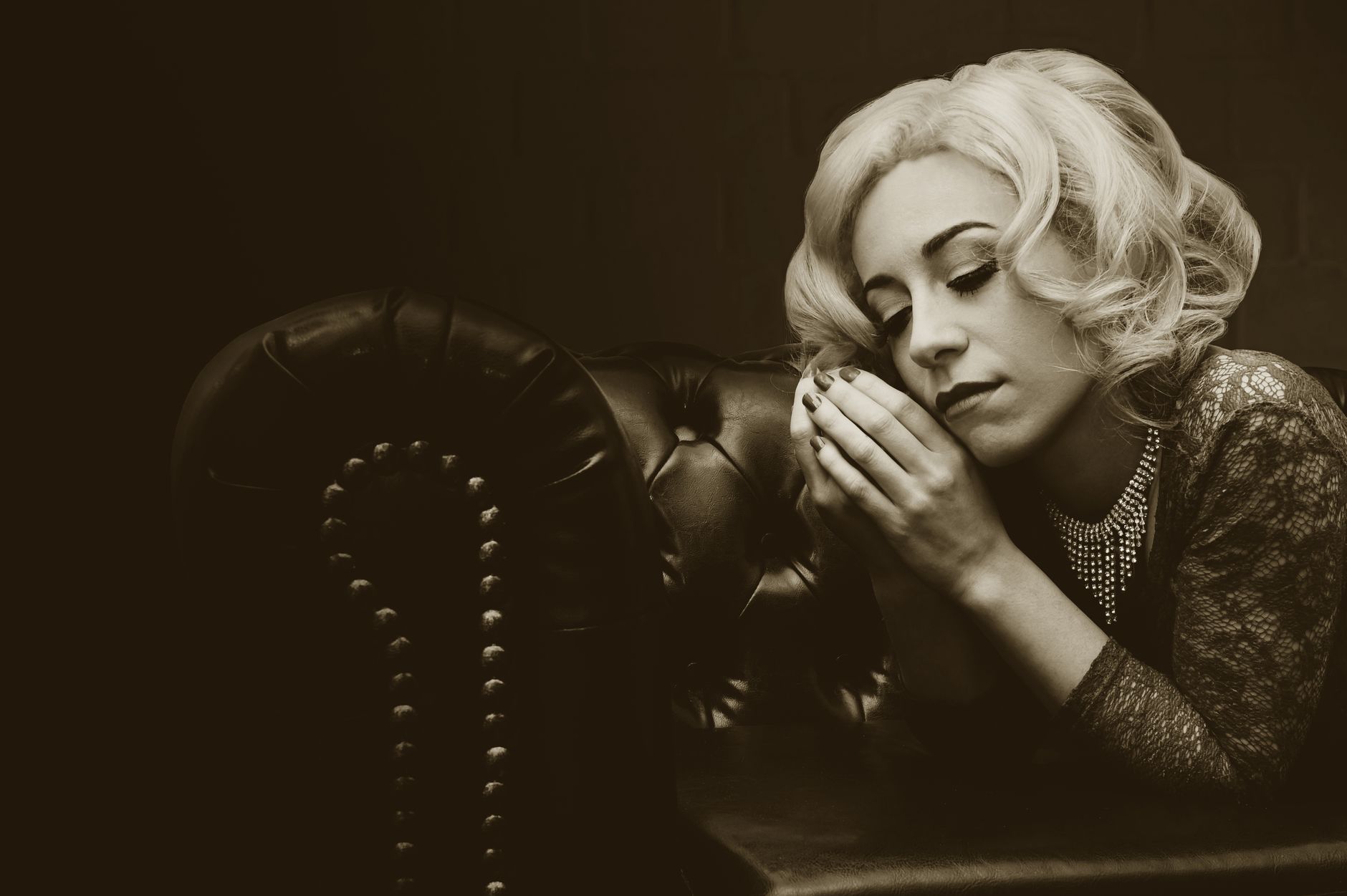
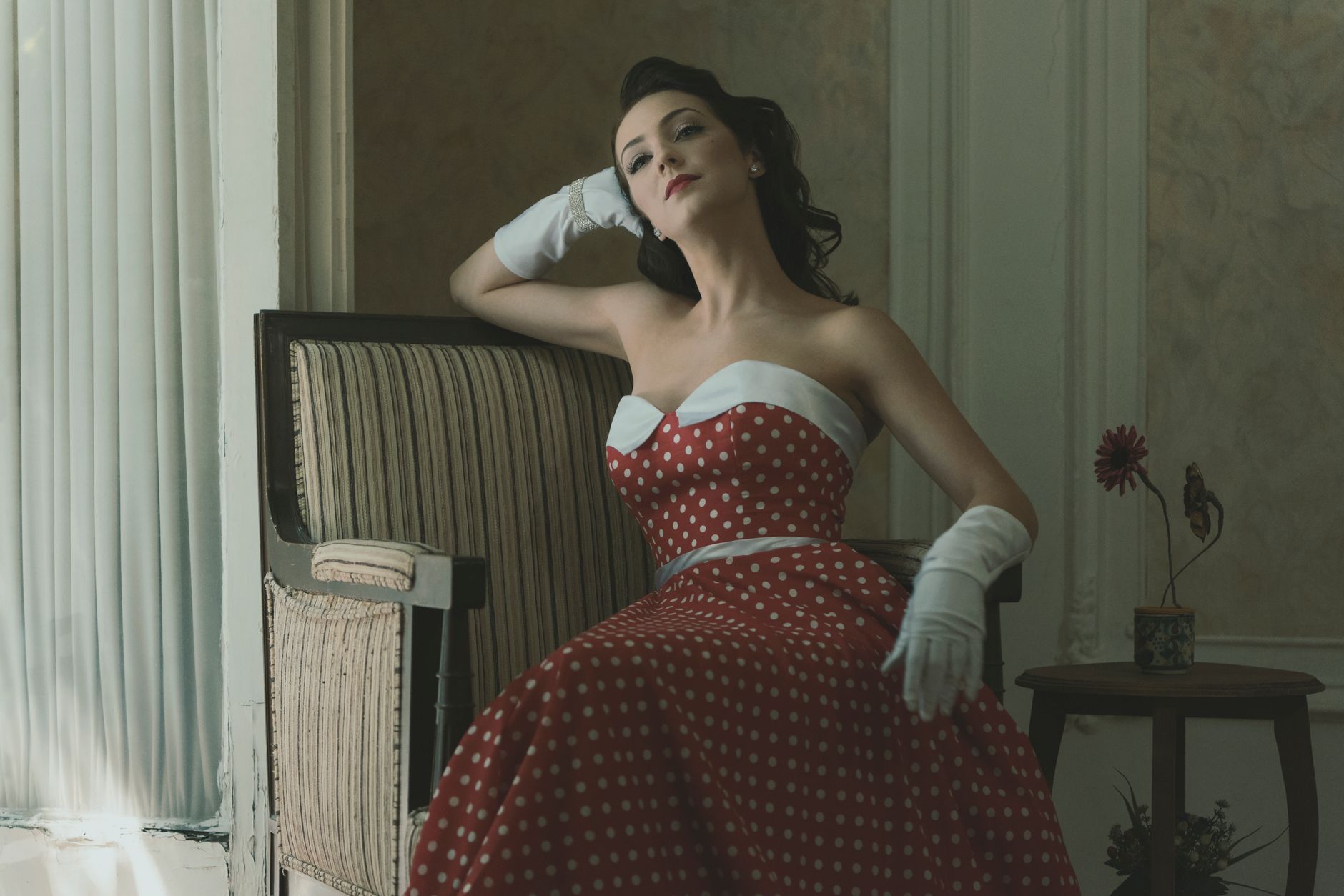
Start with the silhouette. Carpenter favors nipped waists, structured bustiers, bows, babydoll hemlines and heels that nod to mid-century pin-up photography. The hair does a lot of the work: a high-volume, face-framing style with a fringe that recalls 1960s screen sirens, usually in a shade of blonde that photographs warmly under stage lighting. Add a glossy lip and a dramatic lash, and the effect is cohesive without being literal. Nothing is a strict reproduction of a particular decade.
That looseness is the point. Old Hollywood glamour, 1960s girl-group polish and a bit of 1950s pin-up cheek get blended into something that suits a pop star working in the present. A strict period piece would feel museum-like. Carpenter’s version keeps modern details, such as sheer fabrics, rhinestone mesh and playful shorts under a gown, so the retro references act as seasoning rather than the whole meal.
The second ingredient is attitude. Classic glamour was often built around the idea of effortless allure, a woman who never seemed to sweat. Carpenter’s songwriting does the opposite. Her lyrics are sharp, self-aware and frequently funny, and she delivers lines about difficult men and romantic chaos with a raised eyebrow. The contrast between a polished exterior and a bratty, candid interior gives the image tension, and tension keeps people watching. Even the improvised, tongue-in-cheek outros she attaches to “Nonsense” fit the formula: perfectly styled, openly mischievous.
The Visuals Are Doing Narrative Work
Music videos and live staging have become the main stage for the aesthetic. Her clips lean on cinematic set pieces, saturated color and staging that borrows from classic film and television comedy, which lets her play a character while staying recognizably herself. The wink is built in. She is aware that the glamour is a construction, and she invites the audience to enjoy the construction.
On tour, the same instincts scale up. Arena productions with showgirl-style theatrics, quick costume changes and choreography that favors personality over athletic spectacle give fans a full-bodied version of the world the records suggest. A concert becomes a themed evening rather than a set list with lighting, which suits an audience that wants to dress up and be part of the picture.
Why It Is Spreading Beyond One Artist
The most useful way to read Carpenter’s influence is to look at what her aesthetic solves. Pop stardom now runs on constant visibility, and an image that photographs well in a single frame has a huge advantage. Retro glamour is built for the still image: the silhouettes are graphic, the colors are bold, and the hair and makeup read instantly at thumbnail size. A look that works as a screenshot, a poster and a fan-account avatar is more valuable than one that needs a runway to make sense.
There is also a practical benefit in repeatability. Fans can borrow the vocabulary at almost any budget. A bow, a red lip, a pair of kitten heels or a bouffant ponytail gets someone most of the way to the reference, and that accessibility turns an artist’s wardrobe into a shared language. A growing number of fan communities treat concert outfits as a kind of participation, with tour-night looks planned for weeks. That behavior feeds back into the artist’s visibility, because every dressed-up attendee becomes unpaid promotion for the whole concept.
Meanwhile, the stylistic ripple is easy to spot in how other young pop acts present themselves. Soft-focus glamour, corsetry and vintage-inspired hair are showing up more often on red carpets and in video treatments, and some of that is surely coincidence, since fashion moves in cycles. Still, Carpenter’s version has a clear advantage over a generic throwback trend: it is tied to a specific voice. Without the humor and the hooks, the same outfits would simply be nostalgia, and nostalgia alone tends to fade fast.
The risk is the one that follows any strong visual identity. A look this defined can harden into a box, and audiences can tire of a persona even when they still like the songs. The question for Carpenter is whether the next era keeps the pin-up polish and finds new ways to disrupt it, or whether she lets the glamour crack on purpose.