


The oversized shopper bag had a long run – roomy, relaxed, effortlessly thrown over a shoulder. But Proenza Schouler’s structured tote is making a case that architecture belongs in your accessories, not just your buildings.
Why Structure Is Winning Right Now
Proenza Schouler has always operated at the intersection of precision and edge, and their latest tote direction channels exactly that. The bags hold their shape. They stand on their own. They arrive with clean lines, deliberate proportions, and hardware that feels chosen rather than tacked on. That kind of intentionality is landing differently with consumers who spent years reaching for the softest, most unstructured silhouette they could find.
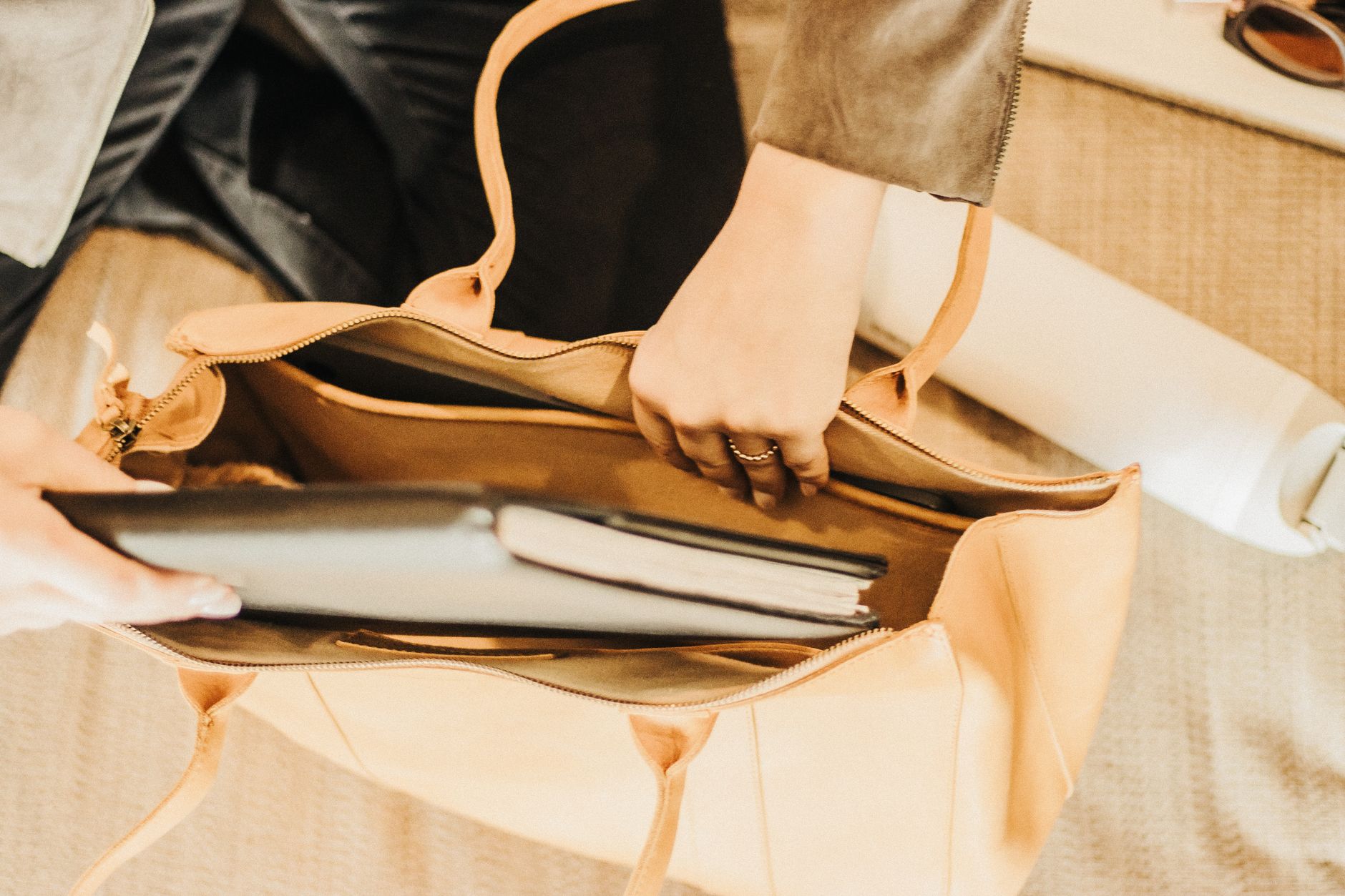
The shopper bag’s appeal was always about ease – drop your laptop in, throw in a water bottle, grab a scarf, and go. But that same formlessness started to read as careless rather than casual. A bag that collapses under its own weight eventually stops feeling like a lifestyle choice and starts feeling like a compromise. Proenza Schouler’s structured tote offers the same capacity without the surrender of form.
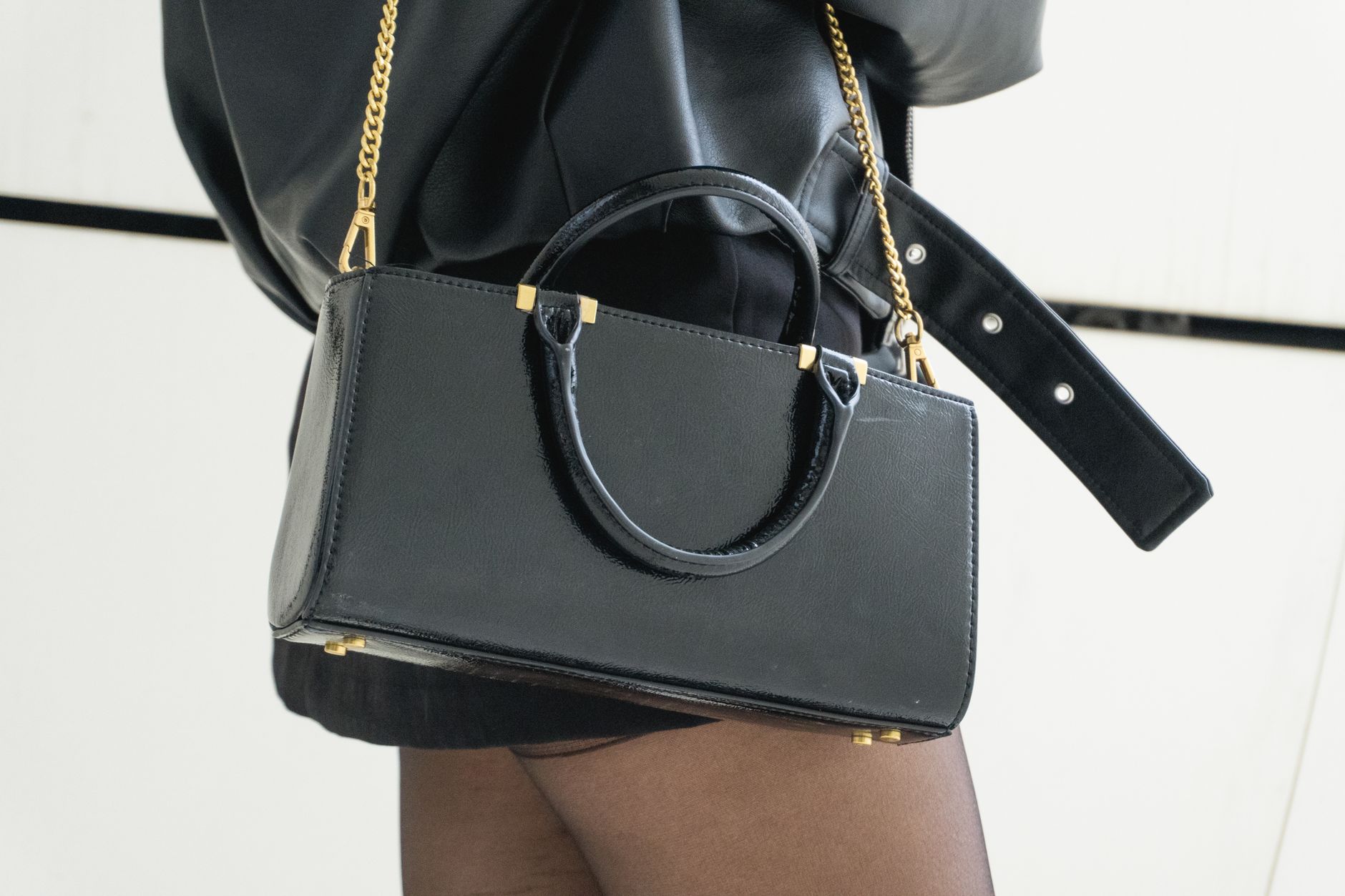
The construction itself does a lot of work. Thick, reinforced handles that keep their arc. Corners that stay corners. A base that sits flat on a table rather than slumping sideways. These aren’t small details – they’re the difference between a bag that looks intentional at 8 a.m. and one that looks defeated by noon. Women who dress with precision have long complained that their bags work against them; a slouched leather puddle next to a tailored blazer reads as an oversight.
Proenza Schouler’s color range is doing its part too. Rather than defaulting to the usual black and cognac rotation, the brand has been pushing dusty, architectural neutrals – cement, warm white, deep forest – that make the bag feel like part of a considered outfit rather than a default accessory. The tote doesn’t compete for attention; it completes the picture.
The Shift Away from the Soft Silhouette
For the better part of a decade, the fashion industry ran hard toward softness. Bucket bags, cloud bags, hobo bags – the names alone signal the aesthetic. Unstructured leather, gathered tops, drawstring closures. The appeal was real: these bags felt approachable and relaxed, and they worked across a wide range of personal styles. But trends built on ease tend to plateau when the market saturates. Every brand had a version, and the silhouette lost whatever distinction it once had.
Structured bags require more from a brand technically. The leather or material has to be substantial enough to hold shape without padding the interior to stiffness. The seams have to be precise. The hardware alignment matters in a way it simply doesn’t on a soft bag where slight irregularities get hidden in the drape. That technical bar weeds out fast-fashion imitations faster, which is part of why structured bags tend to stay legible as luxury longer.
Proenza Schouler isn’t alone in this direction – a growing number of designers have been quietly moving back toward frames and boning, toward bags with opinions about their own silhouette. But Proenza Schouler’s version carries a specific design vocabulary that’s harder to copy: the handles have a particular geometry, the proportions feel considered rather than generic, and the closures tend to be understated in a way that reads as confidence rather than restraint.
There’s also a wearability argument worth making. A structured tote works for more scenarios than its shopper counterpart because it reads as more finished. It can go from a working lunch to an evening dinner without the wearer feeling like she’s wearing daytime leftovers. The silhouette signals effort without requiring effort – which is ultimately what great bag design does.
The price point on Proenza Schouler’s structured offerings sits comfortably in investment-purchase territory, which changes how buyers relate to the bag. This isn’t an impulse buy that gets replaced in a season. Customers are choosing it the way they’d choose a coat – expecting it to work across years, not just looks. That longevity expectation tends to favor structure, because a bag that holds its shape on day one should still hold it on day five hundred.
What This Means for Your Wardrobe
If you’re already working with clean-lined separates or leaning into the kind of polished minimalism that’s been building across ready-to-wear – even as denim silhouettes shift – a structured tote from Proenza Schouler slots in without disruption. It’s not a statement piece in the loud sense; it’s a statement piece in the architectural sense. It makes everything around it look more deliberate.
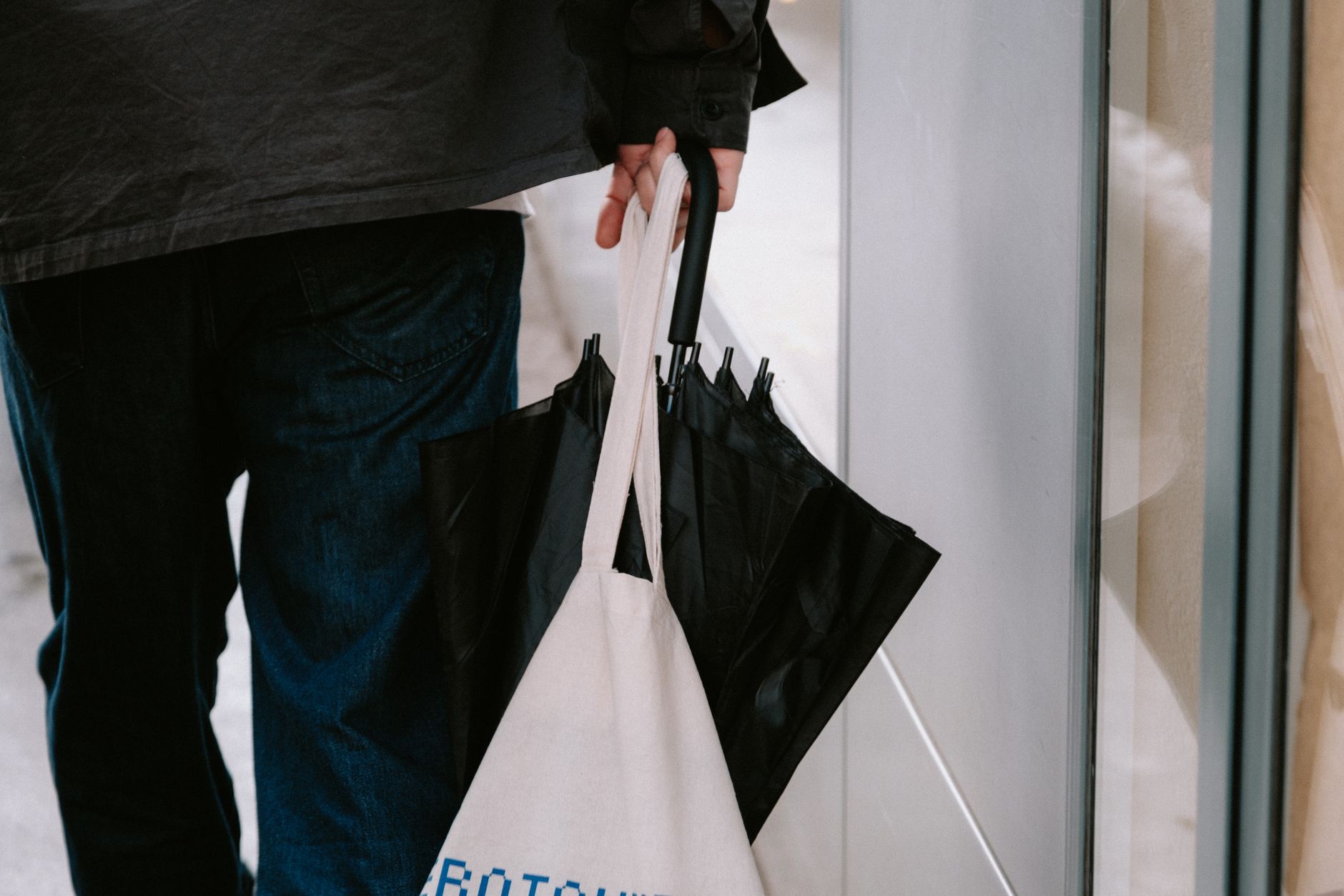
The harder question is whether buyers who’ve built their bag wardrobes around soft silhouettes will make the switch fully or keep both. Structured bags demand a certain uprightness – in how you carry them, how you store them, how you pack them. You can’t just stuff a structured tote and expect it to forgive you the way a bucket bag would. That’s not a flaw. But it does ask something of the person carrying it, and not everyone wants their bag to have expectations.