


The Flat Is Back, and It Has a Logo on It
Platform shoes had their moment – thick soles, borrowed height, a silhouette that dominated street style from Copenhagen to Los Angeles for the better part of three years. But something has shifted on the fashion floor. Ballet flats, once dismissed as relics of the mid-2000s or wardrobe basics too quiet to command attention, are pulling focus again. And Miu Miu is at the center of it.
The Prada-owned label has spent the past two seasons making the ballet flat its signature statement piece. Not a simple, forgettable slip-on, but a deliberately designed shoe with satin ribbons, embellishments, pointed toes, and the kind of construction that makes a flat feel like a choice rather than a concession. The result is a style conversation that is pulling shoppers away from the platform’s verticality and toward something considerably closer to the ground.
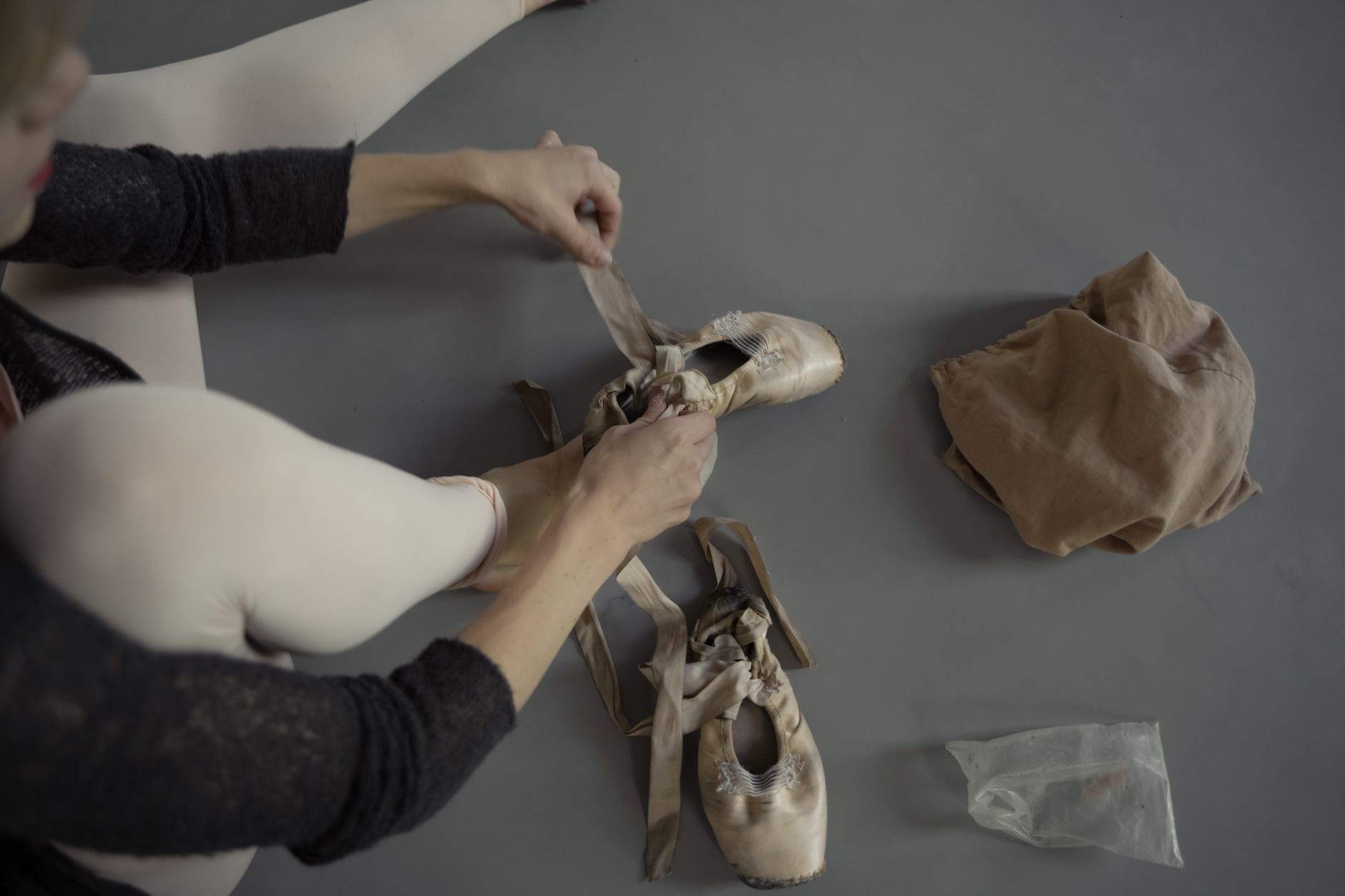
How Miu Miu Built a Shoe Into a Status Symbol
Miu Miu has always operated in a specific register – girlish but knowing, refined but slightly undone. The ballet flat fits that sensibility with unusual precision. Where a platform shoe communicates boldness through physical scale, the ballet flat communicates confidence through restraint. Wearing a beautifully crafted flat in a season when platforms still have a presence reads, within fashion circles, as a deliberate edit rather than a default.
The label’s versions lean into femininity without apology. Satin finishes, pastel colorways, grosgrain ribbon ties that wrap around the ankle – these are not trying to be neutral. They reference the vocabulary of classical dance while landing squarely in the context of contemporary luxury. Wearing them with micro-skirts or wide-leg trousers, as Miu Miu itself has styled them, creates a proportional tension that the platform shoe – which always elongates and lifts – simply cannot replicate.
Price plays a role here too. Miu Miu’s ballet flats sit in a range that positions them as aspirational but attainable compared to some of the brand’s other pieces. For shoppers already invested in the label’s universe, picking up a pair functions as an entry point – or an addition to a collection that might already include the brand’s micro-bags or suiting separates. The shoe becomes part of a larger aesthetic alignment, not just a footwear decision. This is the same logic driving demand for other quietly status-coded pieces, like Loro Piana’s cashmere loafers replacing designer sneakers as the go-to luxury footwear flex.
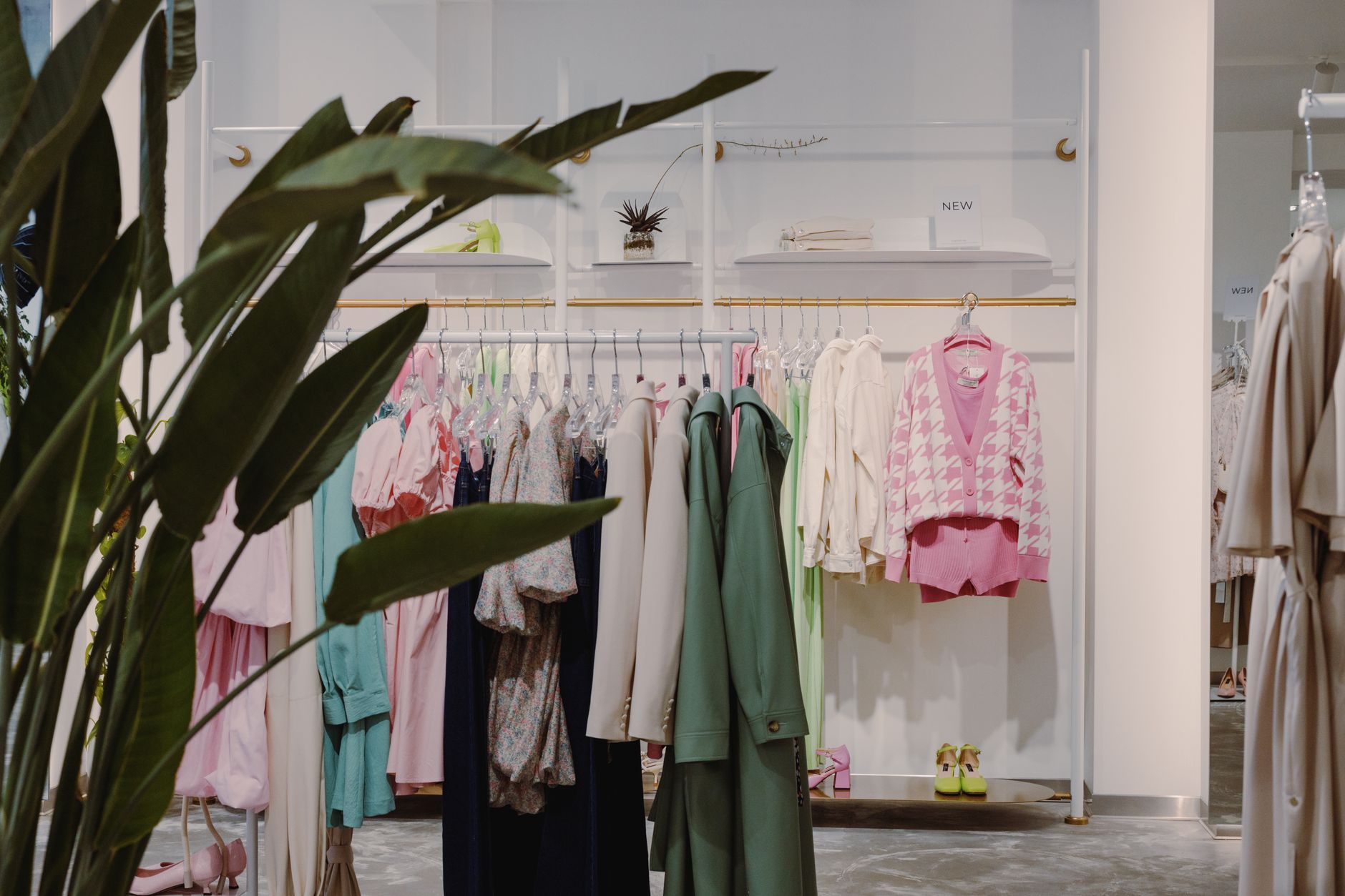
The Platform’s Weakening Grip
Platform shoes are not disappearing. They remain on shelves, in editorials, and on the feet of people who genuinely love what a chunky sole does to a silhouette. But their cultural urgency is fading. The platform had the advantage of novelty and of practical height – it gave the visual impact of a heel without the discomfort. As that novelty has worn off, the shoe’s bulkiness has started to feel more effortful than effortless, which is precisely the wrong direction fashion tends to move in at this point in a trend cycle.
The ballet flat offers something the platform could never quite claim: the appearance of ease. There is a studied nonchalance in a well-made flat that resonates with where luxury dressing is heading – away from conspicuous construction and toward pieces that look like they simply belong on the body. This is not about minimalism exactly, because Miu Miu’s versions are far from minimal. It is about a different kind of intention, one that favors delicacy over dominance.
Why This Shift Has Staying Power
Fashion trend reversals often feel sudden but rarely are. The groundwork for the ballet flat’s return was laid gradually through a broader reconsideration of femininity in luxury dressing. Designers across the market have been reintroducing softness – in fabrics, silhouettes, and accessories – not as a backward step but as a counter-movement to the harder, sportier aesthetic that dominated much of the previous decade. The ballet flat fits naturally into that momentum.
Miu Miu’s specific contribution is in elevating the category. A generic ballet flat, even a well-made one, carries a different cultural weight than a Miu Miu ballet flat. The label has done the work of loading the silhouette with meaning – through runway placement, through celebrity visibility, through the kind of editorial attention that tells the market where desire is being directed. Once a shoe earns that status, the style conversation around it changes. People are not buying a flat shoe. They are buying into a specific visual language.
The celebrity factor cannot be overlooked. The Miu Miu ballet flat has circulated widely in the kind of off-duty street style documentation that functions as modern advertising – outside show venues, leaving restaurants, photographed from the kind of candid angles that make clothing look like a natural extension of a person rather than a performance. That visibility reinforces the flat’s association with a certain kind of effortless, aesthetically deliberate woman, and that association is what drives the shoe from desirable to essential in the minds of its target buyer.
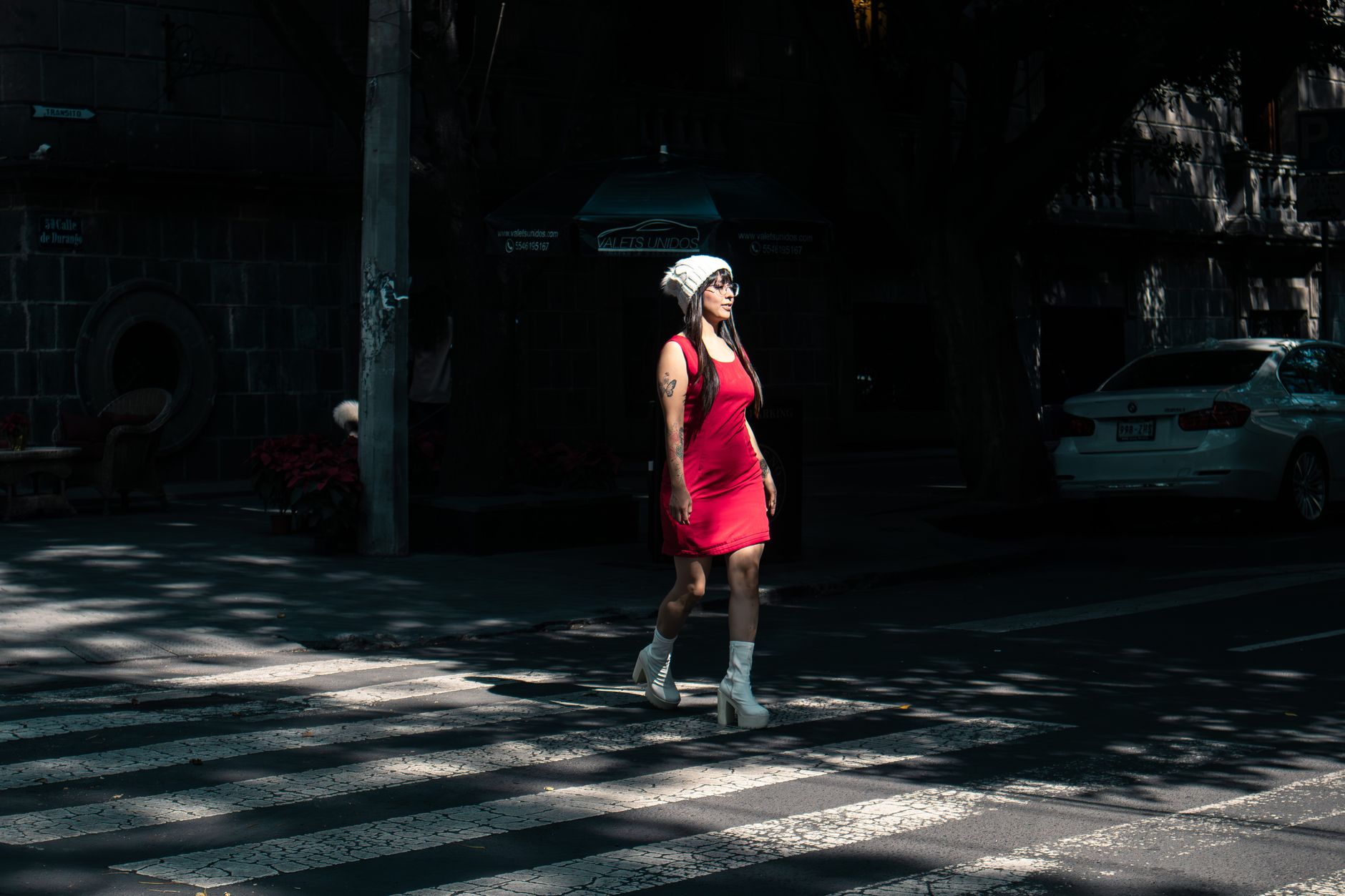
What makes this interesting beyond the immediate trend is that the ballet flat’s resurgence poses a genuine challenge to the footwear hierarchy that platforms helped establish. Platforms offered height as a signifier. The flat refuses that trade entirely, suggesting that height was never the point to begin with. Whether that reframing holds as the fashion calendar moves forward – or whether a new silhouette disrupts both – is the question the industry is quietly watching Miu Miu to answer.