

The baguette bag had a long run. Thin, rigid, tucked under the arm like a loaf of bread – it defined the late ’90s, made its Fendi-fueled comeback in the early 2020s, and spent the better part of three years appearing on every influencer, editor, and street style fixture worth photographing. But something quieter has been pulling focus. Loewe’s Squeeze bag, a soft, sculptural piece that collapses and billows depending on how you hold it, has been showing up in exactly the right places – and people are starting to notice.
The shift isn’t loud. There’s no viral moment, no red-carpet debut that everyone can point to. Instead, the Squeeze has accumulated a kind of slow, credible momentum – the sort that tends to stick longer than trend-cycle spikes. It’s been spotted on stylists, photographed in editorial spreads, and quietly restocked after selling out. For a bag with no celebrity campaign behind it, that’s a meaningful signal.
What the Squeeze Actually Is
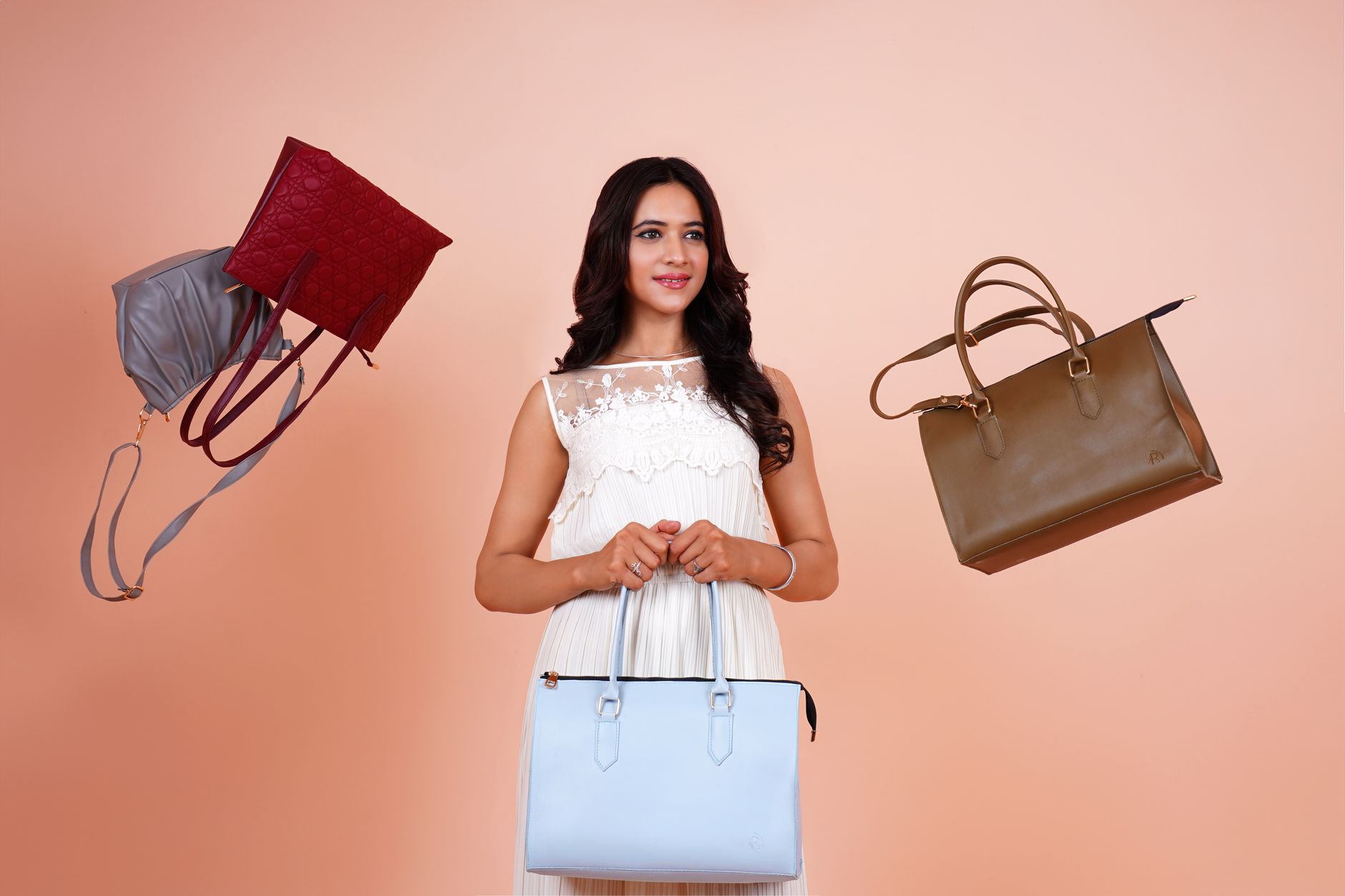
The Squeeze is a gathered, unstructured bag made from soft nappa leather that cinches at the center with a flat top handle. It has the quality of something handmade – slightly irregular, almost dough-like in its give. Unlike the baguette’s clean geometry, the Squeeze doesn’t hold a fixed shape. It responds to its contents, slouching and expanding in a way that feels organic rather than accidental.
Loewe introduced the style under Jonathan Anderson’s creative direction, and it carries the same visual logic as his other work for the house – objects that look crafted, slightly strange, and deeply considered. The bag sits in an interesting middle zone between a clutch and a top-handle bag. It’s not precious enough to feel fussy, but it’s not casual enough to read as an afterthought. That ambiguity is a large part of its appeal.
The Squeeze comes in a range of leathers and colorways, from clean neutrals to saturated tones that photograph well without looking costume-y. It’s priced in the range of other investment bags at Loewe – accessible enough to feel considered, expensive enough to signal something. The silhouette also photographs differently depending on the angle, which matters more than most brands openly admit in 2025.
Why the Baguette’s Moment Is Fading
The baguette never really disappeared – it just became predictable. Once a shape reaches the point where fast-fashion retailers are producing near-identical versions at a fraction of the price, its cultural cachet starts to hollow out. The baguette hit that ceiling hard over the past year. Its silhouette became shorthand for a specific aesthetic that a growing number of buyers are quietly stepping away from – the maximalist, logo-forward, resale-driven style of dressing that dominated post-lockdown fashion consumption.
The Squeeze offers something different: softness over structure, craft over branding. It doesn’t announce itself. There’s no logo hardware, no signature clasp, no instantly readable insignia. For buyers who already know Loewe – and increasingly, for those who are just discovering it – that restraint reads as confidence rather than omission.
The Broader Case for Soft Bags
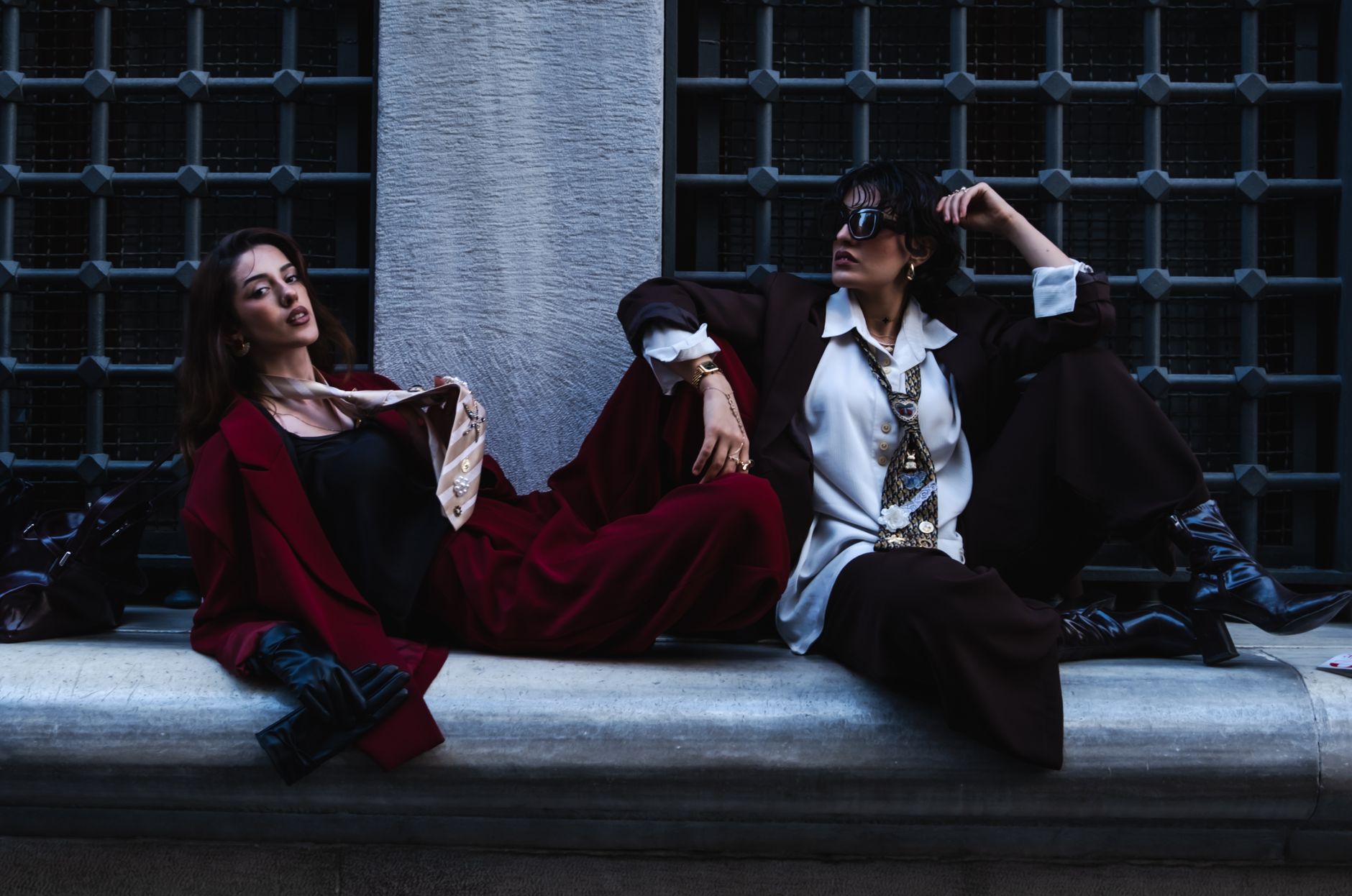
The Squeeze doesn’t exist in isolation. A growing appetite for unstructured, tactile bags has been building across the market for the past two years. Bottega Veneta’s Jodie bag made a similar case earlier – soft, gathered, logo-free – and its staying power suggests the appetite for this kind of understated construction isn’t a passing preference.
What connects these bags is the material experience. Soft leather that moves, that develops patina, that looks lived-in rather than preserved – this is what buyers gravitating away from rigid structured bags tend to describe when they explain their reasoning. The Squeeze delivers that tactile quality at a level of craft that justifies the price point without requiring explanation.
There’s also a wearability argument that rigid bags simply can’t win. The Squeeze adapts. It fits more, it sits differently under the arm or in the hand, and it doesn’t impose its shape on the outfit the way a structured baguette does. For buyers building wardrobes around softer, more fluid clothing – slouchy tailoring, draping fabrics, relaxed suiting – a bag that participates in that ease rather than contradicting it is a practical advantage, not just an aesthetic one.
Jonathan Anderson’s instinct at Loewe has consistently been to make objects that reward close attention. The Squeeze is a bag that looks better the longer you look at it, and that wears better the longer you carry it. In a market where many bags are purchased for immediate impact and then retired, that’s a different kind of value proposition – and buyers who think in terms of long-term wardrobe building are responding to it accordingly.
The baguette will survive, of course – Fendi has seen to that with decades of reinvention. But the cultural energy that once made it feel current has moved. The Squeeze is where that energy is landing right now, and unlike trend-driven silhouettes that peak and collapse within a single season, its appeal is grounded in construction and craft rather than timing. Whether Loewe can sustain that positioning – and avoid the overexposure that eventually dulls every it-bag – is the open question the brand is quietly navigating with each new drop.
Frequently Asked Questions
What is the Loewe Squeeze bag?
The Loewe Squeeze is a soft, unstructured nappa leather bag with a gathered silhouette and flat top handle, designed under Jonathan Anderson’s creative direction at Loewe.
Why is the baguette bag losing popularity?
The baguette silhouette has become widely replicated and closely tied to a maximalist aesthetic that many buyers are moving away from, making understated alternatives like the Squeeze more appealing.