



Leonardo DiCaprio’s name appears on environmental initiatives with the frequency of A-list movie premieres, but his latest venture operates far from Hollywood’s spotlight. The Oscar winner has quietly positioned himself at the intersection of climate action and real estate development, backing sustainable architecture projects that promise to reshape how celebrities think about their carbon footprints.
While DiCaprio’s environmental activism through his foundation and documentary work garners headlines, his business moves in green construction represent a more pragmatic approach to climate advocacy. Sources close to the actor reveal he’s been meeting with architects, urban planners, and sustainable building experts throughout 2024, exploring opportunities that align profit with planetary health.
From Red Carpets to Green Buildings
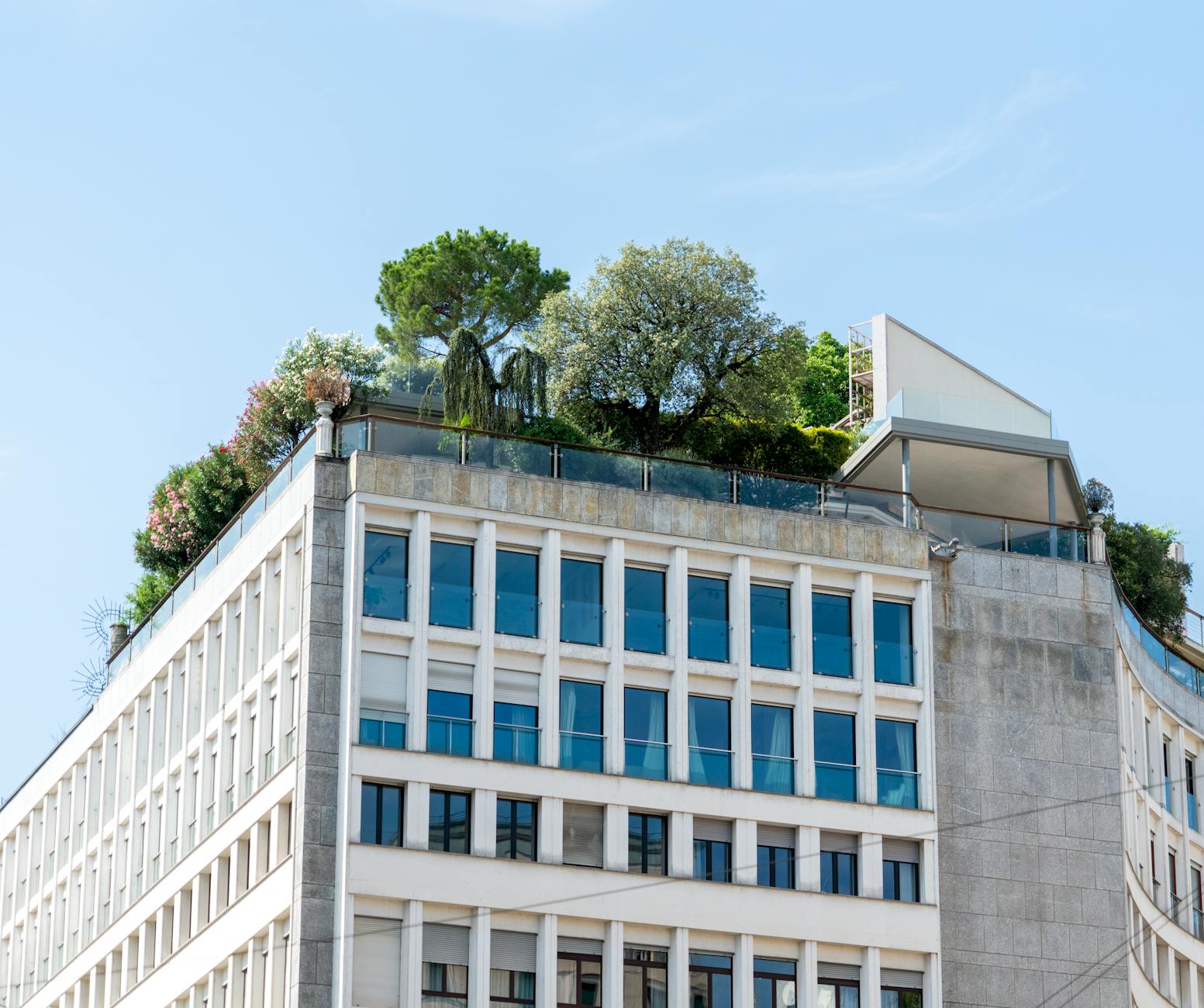
DiCaprio’s interest in sustainable architecture isn’t entirely new. His own Los Angeles home features solar panels and energy-efficient systems, reflecting values he’s championed since the late 1990s. However, his recent activities suggest a shift from personal lifestyle choices to larger-scale commercial involvement.
The actor has reportedly connected with firms specializing in net-zero construction and regenerative design. These companies focus on buildings that produce more energy than they consume and use materials that actively benefit the environment. Industry insiders note DiCaprio’s team has been asking detailed questions about scalability, market potential, and measurable environmental impact.
“He’s not just writing checks,” says one architect who spoke on condition of anonymity. “He wants to understand the technology, the business models, and how these projects can influence broader industry standards.”
This approach mirrors strategies seen in other celebrity business expansions, where stars leverage their platforms to enter emerging markets. Much like how other entertainment figures have built unexpected business empires around their passions, DiCaprio appears to be translating his environmental advocacy into concrete business opportunities.
The Business Case for Sustainable Development
The sustainable architecture market has experienced significant growth as cities worldwide implement stricter building codes and consumers demand environmentally responsible developments. California’s Title 24 energy efficiency standards, updated regularly since 2019, require new residential buildings to include solar installations, creating a built-in market for green construction expertise.
DiCaprio’s interest reportedly extends beyond residential projects to commercial developments that could serve as showcase examples of sustainable building practices. These might include mixed-use complexes that integrate renewable energy, water recycling systems, and materials sourced from regenerative agriculture or recycled content.
The financial incentives align with environmental goals. Federal tax credits for renewable energy installations, state-level rebates for energy-efficient construction, and growing investor interest in ESG-compliant real estate create multiple revenue streams for sustainable developments.
Market analysts point to rising property values for certified green buildings and lower operating costs due to reduced energy consumption. For high-net-worth individuals like DiCaprio, sustainable architecture investments offer portfolio diversification while supporting causes they publicly champion.
Collaboration with Industry Leaders
DiCaprio’s approach emphasizes partnerships with established players rather than starting entirely new ventures. This strategy reduces risk while leveraging existing expertise and market relationships. His team has reportedly engaged with architecture firms known for LEED Platinum and Living Building Challenge certifications.
The Living Building Challenge represents the most rigorous sustainable building standard, requiring projects to give back more than they take from the environment. Only a handful of buildings worldwide have achieved this certification, making it an ambitious target that aligns with DiCaprio’s history of supporting cutting-edge environmental initiatives.
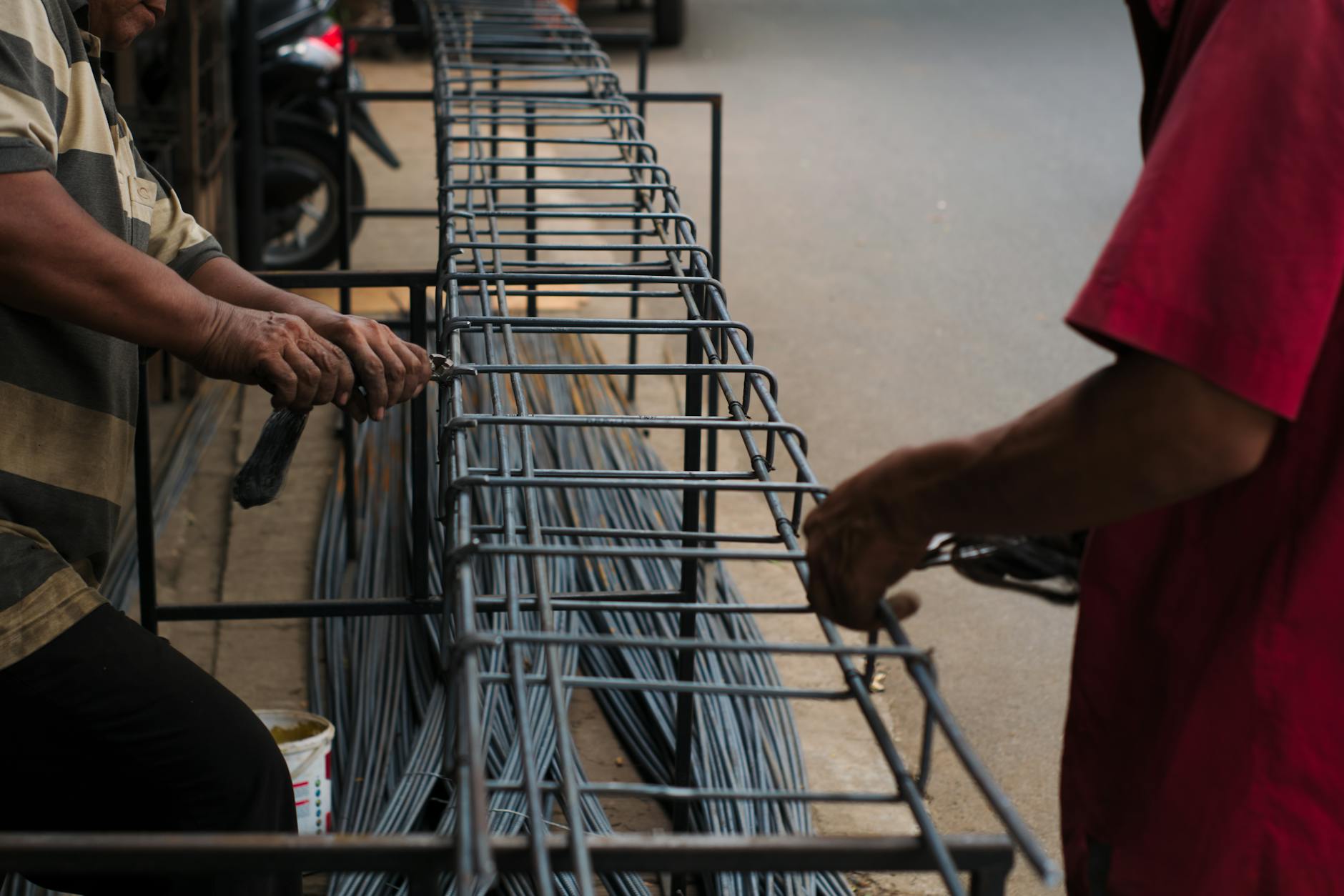
Conversations with construction companies specializing in mass timber, recycled steel, and innovative insulation materials suggest DiCaprio’s interest spans the entire building supply chain. Mass timber construction, which uses engineered wood products from sustainably managed forests, offers both carbon storage benefits and architectural flexibility.
The actor’s network includes connections to impact investors and family offices focused on climate solutions. These relationships could facilitate funding for larger projects that demonstrate sustainable architecture’s commercial viability while creating measurable environmental benefits.
Beyond Buildings: Systemic Change
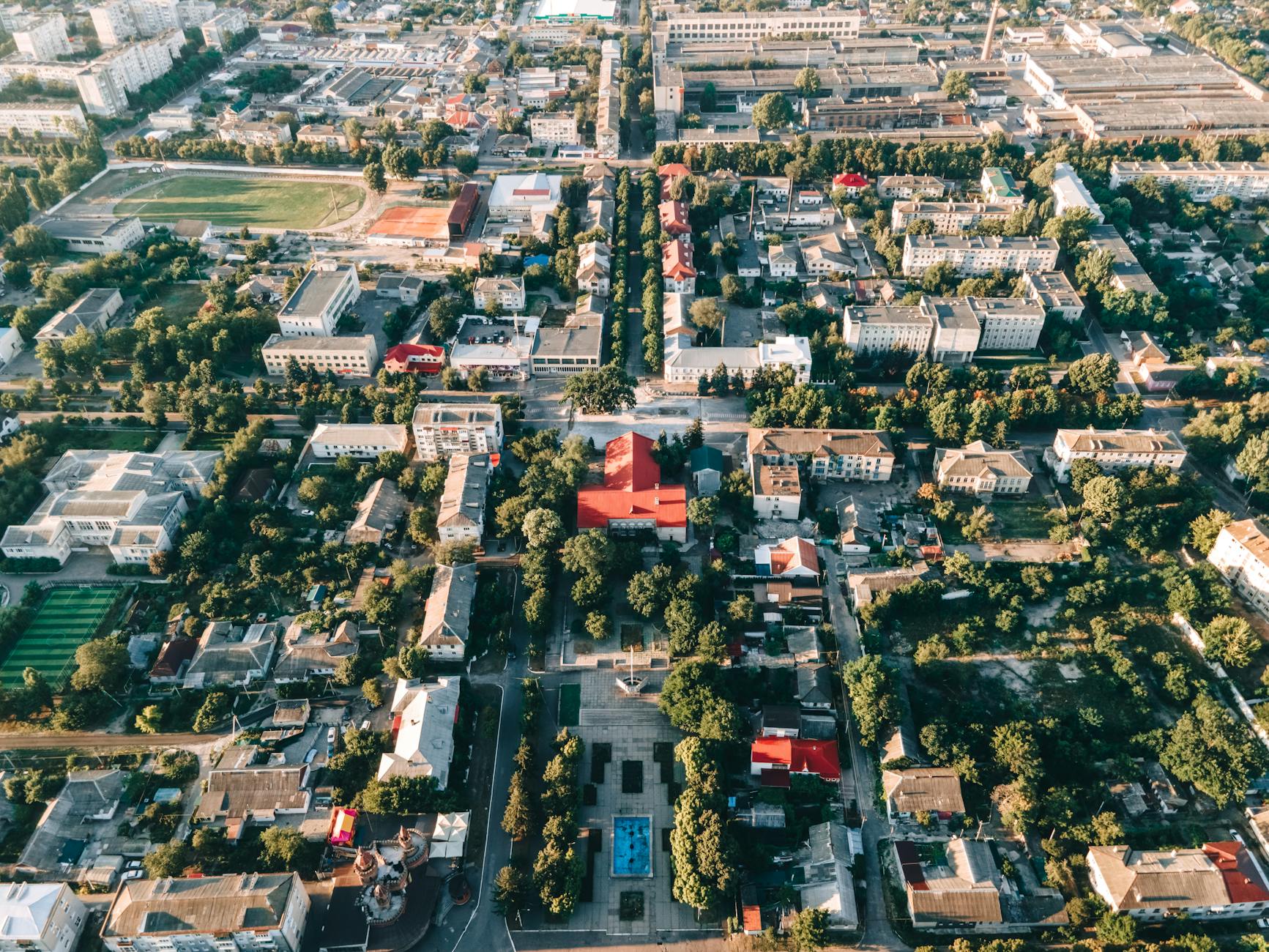
DiCaprio’s sustainable architecture interests reportedly extend to urban planning and community development. Sources indicate discussions about mixed-income housing projects that incorporate green building standards typically reserved for luxury developments. This approach could make sustainable living accessible to broader populations while proving the scalability of environmental building practices.
The focus on systemic change reflects DiCaprio’s broader environmental philosophy. Rather than limiting sustainable architecture to high-end projects for wealthy clients, he’s exploring models that could influence mainstream construction practices through demonstration and economic competition.
Educational components feature prominently in discussions. Projects might include visitor centers, public spaces, or partnership opportunities with universities studying sustainable construction techniques. These elements could showcase innovative building methods while generating additional revenue streams through tours, events, or research collaborations.
Industry observers note the timing coincides with increasing corporate commitments to net-zero emissions and growing consumer awareness of buildings’ environmental impact. The construction industry accounts for nearly 40% of global carbon emissions, creating significant opportunities for companies that can deliver measurably better alternatives.
DiCaprio’s sustainable architecture ventures represent more than celebrity business diversification. They signal a maturing approach to environmental advocacy that combines public platform influence with private capital deployment. As cities worldwide grapple with climate adaptation and housing challenges, sustainable building practices move from niche luxury to mainstream necessity.
The actor’s involvement could accelerate adoption of green construction methods while demonstrating that environmental responsibility and business success can align. Whether these ventures achieve the scale and impact DiCaprio envisions will depend on execution, market conditions, and the construction industry’s willingness to embrace change at the pace climate science demands.
Frequently Asked Questions
What sustainable architecture projects is Leonardo DiCaprio involved with?
DiCaprio is reportedly meeting with architects and firms specializing in net-zero construction and regenerative design, though specific projects haven’t been publicly announced.
How does sustainable architecture align with DiCaprio’s environmental work?
It represents a shift from advocacy to direct business involvement in climate solutions, leveraging market forces to promote green building practices.