


Fashion Week photographers are packing up their cameras while millions scroll through smartphone screens, witnessing a fundamental shift in how fashion’s biggest moments reach the world. The glossy magazine spreads and carefully curated runway reports that once defined fashion coverage are losing ground to real-time Instagram stories and TikTok clips filmed from the front row.
This transformation isn’t just changing how fashion is consumed – it’s rewriting the rules of who controls the narrative. Traditional fashion media, built on exclusive access and polished editorial content, now competes with influencers armed with nothing more than good lighting and authentic reactions. The result is a democratization of fashion coverage that’s both thrilling and terrifying for an industry built on gatekeeping.
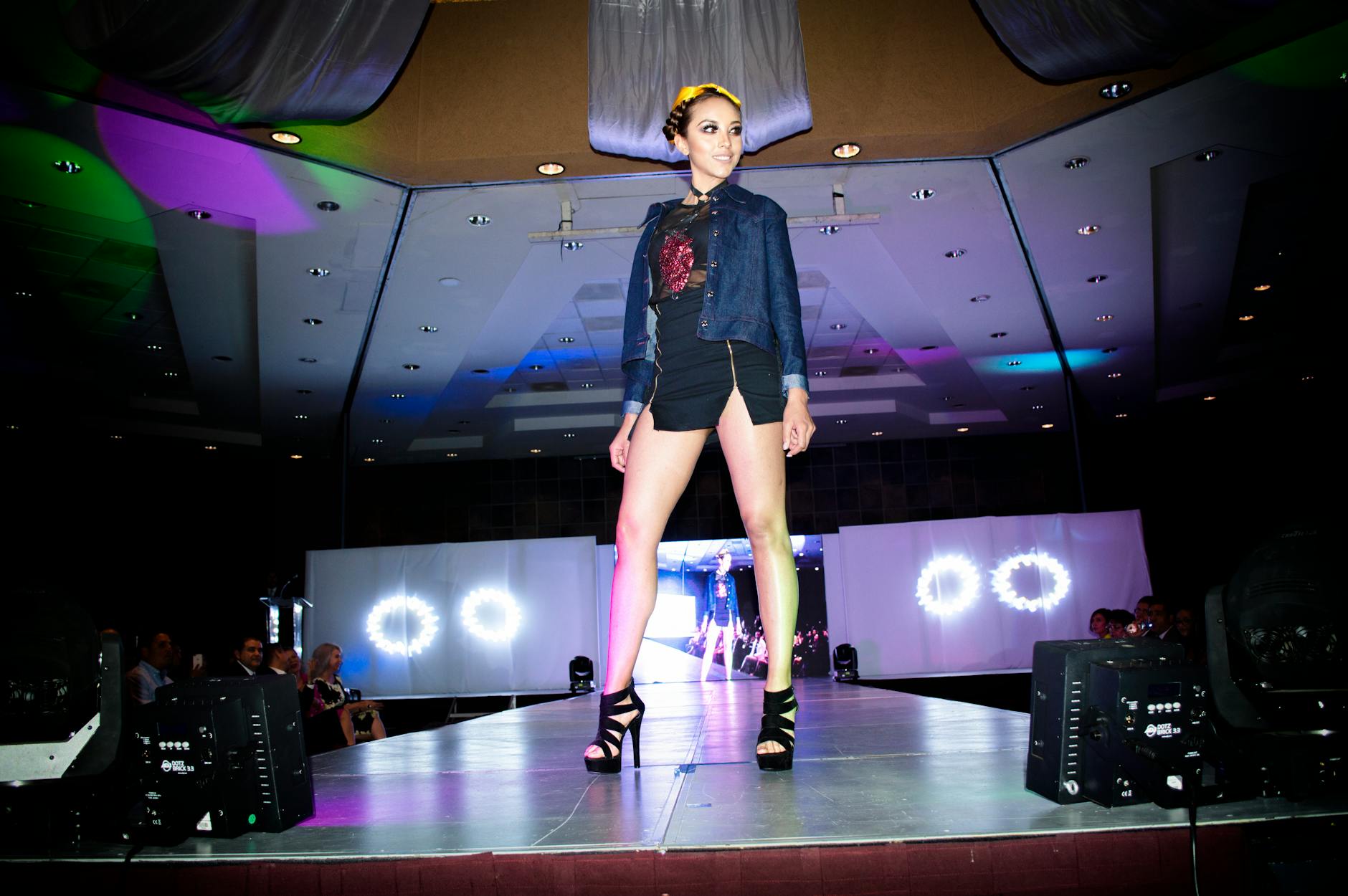
The shift became undeniable during recent fashion weeks in Paris, Milan, and New York. While seasoned fashion editors typed careful observations for next month’s issues, content creators broadcast live reactions that reached millions instantly. Brands noticed. Budgets followed. The old guard of fashion journalism found themselves fighting for relevance in a landscape they no longer controlled.
The Speed of Social Media Trumps Editorial Depth
Fashion Week traditionally operated on a carefully orchestrated timeline. Editors attended shows, took notes, shot backstage interviews, then returned to their offices to craft thoughtful pieces that would appear weeks later. This measured approach allowed for context, analysis, and the kind of storytelling that elevated fashion beyond mere product placement.
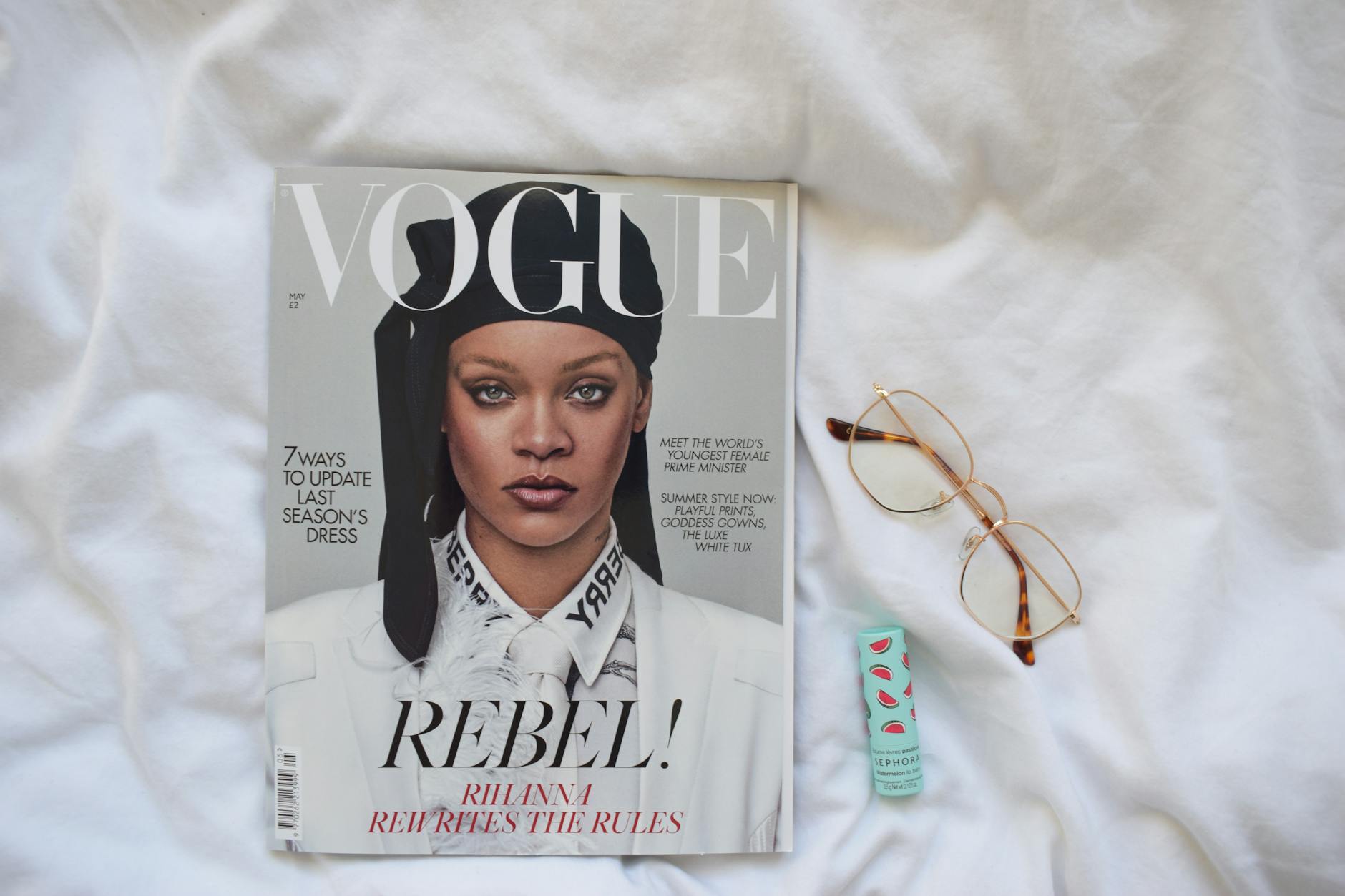
Social media obliterated this timeline. Today’s fashion audience expects immediate gratification. They want to see Bella Hadid’s runway look within minutes of her walking for Versace, not when next month’s Vogue hits newsstands. Instagram stories disappear in 24 hours, but they capture attention when it matters most – in the moment.
The numbers tell the story. A single TikTok video of a dramatic runway entrance can rack up millions of views before traditional media outlets have even filed their reports. Fashion brands, always chasing eyeballs and engagement, have shifted marketing budgets accordingly. Why pay for a magazine spread that reaches 200,000 readers when an influencer’s story can reach 2 million in real time?
This speed comes at a cost. Social media coverage often lacks the historical context and industry knowledge that veteran fashion journalists bring. A TikToker might capture the visual drama of a Jacquemus show but miss the subtle references to 1970s French cinema that inspired the collection. The immediate reaction gets more engagement than the informed analysis, creating a feedback loop that rewards surface-level content.
Established fashion publications have tried to adapt by increasing their social media presence and hiring younger, more digitally native writers. Yet they’re essentially asking their teams to compete with their own expertise – to trade depth for speed, context for clicks.
Influencers Become the New Fashion Arbiters
The front rows at Fashion Week tell the complete story. Where once sat exclusively fashion editors, buyers, and celebrities, now social media influencers command prime seats. Their followers trust their opinions more than traditional critics, making them powerful voices in determining which trends take off and which designers capture attention.
This shift reflects a broader change in how people discover and engage with fashion. Rather than waiting for magazines to declare what’s “in,” audiences look to their favorite content creators for style inspiration. An influencer wearing a particular designer to Fashion Week can drive more immediate sales than a full editorial spread in a major publication.
The democratization has benefits. Diverse voices that were historically excluded from fashion media now have platforms to share their perspectives. Plus-size creators, people of color, and LGBTQ+ influencers bring fresh viewpoints to an industry long criticized for its lack of representation. Their authentic reactions to collections resonate with audiences who felt unseen by traditional fashion media.
However, this new landscape isn’t without problems. Many influencers lack the technical knowledge to provide meaningful commentary on construction techniques, fabric innovation, or the business implications of certain design choices. Their content often focuses on the most visually striking or shareable moments rather than the craftsmanship and artistry that define high fashion.
Brands have noticed this gap and started providing more education to their influencer partners. Some now offer behind-the-scenes access to design processes and atelier visits to help content creators develop more nuanced perspectives. Yet the fundamental tension remains – social media rewards quick, visually appealing content over thoughtful analysis.
Traditional Media Fights for Survival
Fashion magazines and websites aren’t disappearing without a fight. Publications like Vogue, Harper’s Bazaar, and Elle are reimagining their roles in the digital age, but the transformation proves challenging. Print circulation continues declining while digital advertising rates remain lower than traditional print rates, creating financial pressure that affects coverage quality.
Some publications have embraced the change by launching their own influencer partnerships and social media strategies. Vogue’s social media accounts now provide real-time coverage alongside their traditional editorial content. Fashion journalists are encouraged to build personal brands on social platforms, blurring the lines between editorial independence and marketing.
The most successful traditional outlets are those that have found ways to leverage their institutional knowledge and access while adapting to new formats. Backstage interviews with designers, historical context for collections, and detailed reporting on the business side of fashion still have value – but they need to be packaged in ways that work for today’s attention spans.
Some veteran fashion journalists have built successful independent platforms, using newsletters and paid subscription models to reach audiences willing to pay for expertise. This approach works for established names with loyal followings but doesn’t solve the broader industry challenge of sustaining quality fashion journalism.
The advertising model that supported traditional fashion media for decades continues evolving. Brands increasingly prefer to work directly with influencers or invest in their own content creation rather than buying magazine pages. This shift forces publications to diversify revenue streams through events, e-commerce partnerships, and branded content – moves that can compromise editorial independence.
The Future of Fashion Storytelling
Fashion Week coverage will likely become increasingly hybrid, combining the speed and authenticity of social media with the depth and context that traditional media provides best. Smart publications are experimenting with new formats that bridge these worlds – live streaming with expert commentary, interactive content that provides deeper dives for interested readers, and collaborations with influencers that combine reach with expertise.
The most significant change may be in how Fashion Week itself evolves. Brands are already experimenting with digital presentations, see-now-buy-now models, and direct-to-consumer strategies that bypass traditional fashion media entirely. If Fashion Week becomes less centralized and more democratized, the role of traditional coverage may diminish further.
However, the human desire for storytelling and meaning-making suggests there will always be a place for thoughtful fashion journalism. The challenge lies in finding sustainable models that support this work while competing with free, immediate content. The future likely belongs to those who can combine the best of both worlds – the speed and accessibility of social media with the expertise and context that only comes from deep industry knowledge.
The transformation of Fashion Week coverage reflects broader changes in media consumption and the creator economy. As the dust settles, both traditional media and social platforms will need to find their place in a new ecosystem where authenticity, speed, and expertise all have value – just not always in the same package.
Frequently Asked Questions
Why is social media changing Fashion Week coverage?
Social media provides instant access and authentic reactions, while traditional media operates on slower publishing schedules that can’t compete with real-time engagement.
What advantages do influencers have over fashion journalists?
Influencers offer immediate, authentic reactions and have built trust with audiences who prefer their perspectives over traditional fashion critics.