



Rihanna’s business empire continues to redefine what it means to be a celebrity entrepreneur. Fresh off the massive success of Fenty Beauty and Savage X Fenty, sources close to the Barbadian superstar suggest her next frontier could be the home goods market, a natural progression for an artist who has consistently demonstrated her ability to spot untapped opportunities in lifestyle branding.
The Grammy winner has already proven that authenticity and inclusivity sell. Fenty Beauty’s 40-shade foundation range revolutionized the cosmetics industry when it launched in 2017, forcing established brands to expand their color offerings. Savage X Fenty followed suit, celebrating body diversity in lingerie with sizes ranging from 30A to 46DDD. Now, industry insiders speculate that Rihanna’s design sensibilities could translate seamlessly into home decor, furniture, and lifestyle products.
Building on a Foundation of Inclusive Design
Rihanna’s approach to business has always centered on filling gaps in the market. When major beauty brands offered limited shade ranges, she created Fenty Beauty. When lingerie companies ignored diverse body types, she launched Savage X Fenty. The home goods industry presents similar opportunities for disruption, particularly in affordable luxury and culturally inclusive design.
The global home decor market, valued at over $680 billion, has seen explosive growth since the pandemic as consumers invested more in their living spaces. Celebrity home lines from figures like Chip and Joanna Gaines, Ellen DeGeneres, and Martha Stewart have proven there’s significant consumer appetite for lifestyle products that reflect personal brand aesthetics.
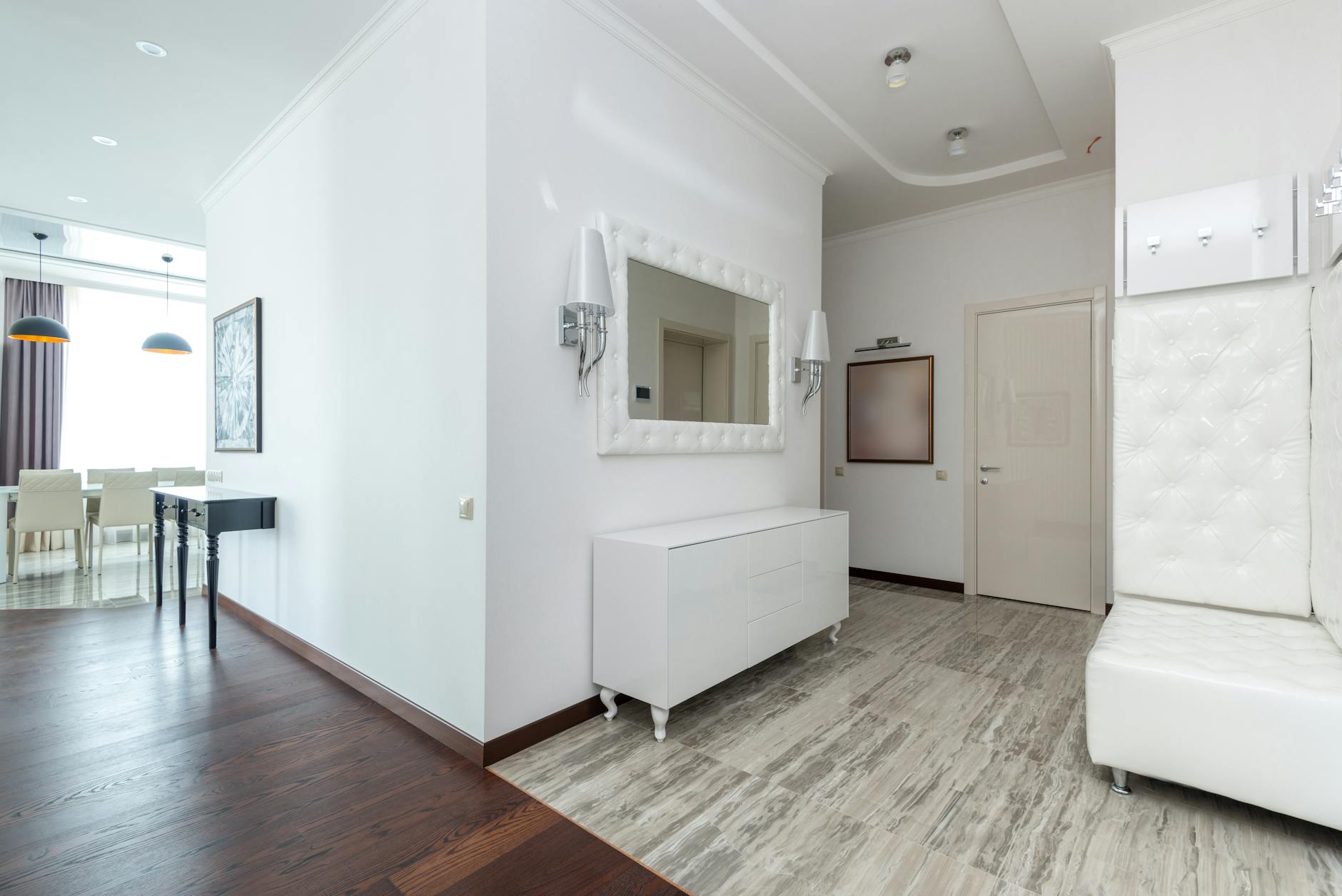
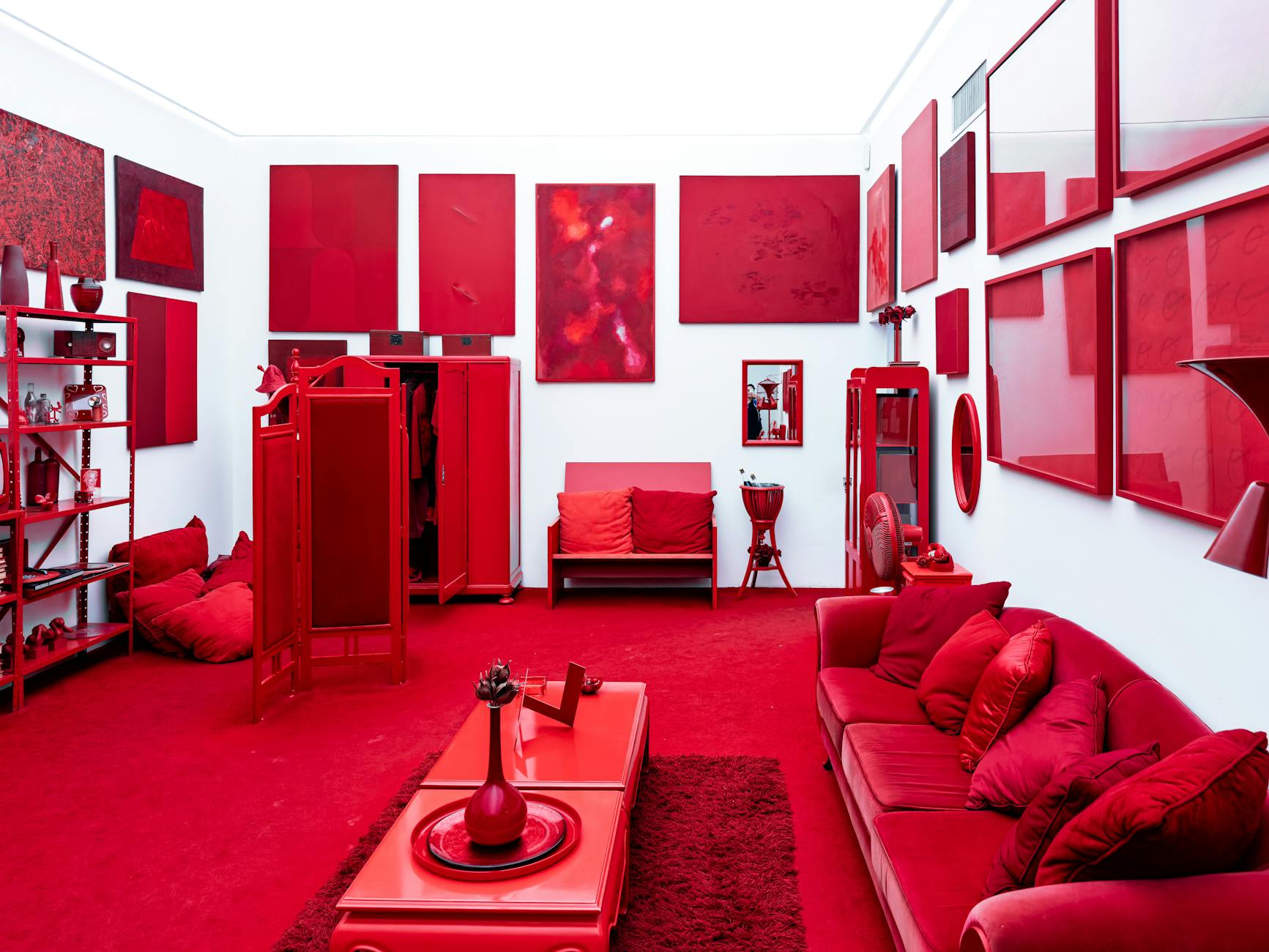
Rihanna’s visual identity across her existing brands suggests a potential home goods line would likely feature bold colors, tropical influences reflecting her Caribbean heritage, and the same attention to inclusivity that has defined her other ventures. Her Instagram posts frequently showcase her own homes in Los Angeles and Barbados, revealing a taste for contemporary furniture mixed with cultural artifacts and vibrant artwork.
The Strategic Business Case
Home goods represent a logical expansion for Fenty’s business model. The category allows for higher profit margins than beauty products, longer product lifecycles than fashion, and the potential for both seasonal and evergreen collections. Unlike cosmetics, which require extensive testing and regulatory approval, home decor items can move from concept to market more quickly.
Rihanna’s partnership with LVMH for Fenty Beauty demonstrated her ability to work with luxury conglomerates while maintaining creative control. This relationship could provide the manufacturing and distribution infrastructure necessary for a home goods launch. LVMH’s portfolio includes not just beauty and fashion brands, but also luxury home brands like Berluti leather goods, suggesting potential synergies.
The timing appears strategic as well. The home goods market is experiencing a shift toward online sales, playing to Rihanna’s strengths in digital marketing and direct-to-consumer retail. Her combined social media following exceeds 140 million across platforms, providing built-in marketing reach that traditional home goods companies spend millions trying to achieve.
Learning from Celebrity Success Stories
The celebrity home goods space has produced notable successes that could serve as templates. Magnolia Home by Joanna Gaines generates hundreds of millions in annual revenue through partnerships with retailers like Target and Lowe’s. Martha Stewart’s home line remains a retail staple decades after its launch. More recently, Drew Barrymore’s home collection for Walmart and Ayesha Curry’s line for various retailers have found commercial success by combining celebrity appeal with accessible pricing.
What sets Rihanna apart is her track record of launching brands that become cultural phenomena rather than just celebrity endorsements. Fenty Beauty didn’t just add another cosmetics line to the market; it forced an industry-wide reckoning with inclusivity. A similar approach to home goods could address the lack of representation in mainstream home decor, which has historically catered to narrow aesthetic preferences.
The entrepreneur’s business acumen extends beyond product development to strategic partnerships. Her collaboration with Amazon for Savage X Fenty’s streaming fashion shows demonstrated innovative marketing approaches that could translate well to home goods, perhaps through virtual room makeovers or interactive design experiences.
Much like how Margot Robbie has expanded her influence beyond acting into directing and producing, Rihanna continues to evolve from entertainer to business mogul, with each venture building on the last.
The Challenges and Opportunities Ahead
Entering the home goods market would present unique challenges. The category is highly competitive, with established players like IKEA, Target’s home brands, and luxury retailers holding significant market share. Supply chain complexities for furniture and home decor can be more challenging than cosmetics or apparel, particularly for a brand committed to quality at accessible price points.
However, Rihanna’s proven ability to identify and serve underrepresented consumers could provide a significant advantage. The home goods market has room for brands that celebrate diverse cultural aesthetics beyond the farmhouse and minimalist styles that currently dominate mainstream retail. A Fenty Home line could introduce Caribbean influences, bold patterns, and inclusive sizing for furniture to serve bodies of all types.
The environmental sustainability movement in home goods also presents an opportunity. Consumers increasingly seek furniture and decor made from sustainable materials and ethical manufacturing processes. Rihanna’s existing brands have emphasized responsible business practices, positioning any home goods venture to capitalize on this trend from launch.
As Rihanna continues to build her business empire, the home goods category represents a natural evolution that could solidify her position as one of the most successful celebrity entrepreneurs of her generation. With her proven formula of inclusivity, quality, and cultural relevance, a Fenty Home line could transform not just another industry, but how consumers think about representation in their most personal spaces. The question isn’t whether Rihanna will expand into home goods, but when – and how dramatically she’ll reshape the market when she does.
Frequently Asked Questions
What other businesses does Rihanna own besides Fenty Beauty?
Rihanna owns Savage X Fenty lingerie, Fenty fashion house, and various entertainment ventures including her Fenty Corp holding company.
How successful is Rihanna’s Fenty Beauty brand?
Fenty Beauty revolutionized the cosmetics industry with its 40-shade foundation range and reportedly generates hundreds of millions in annual revenue.