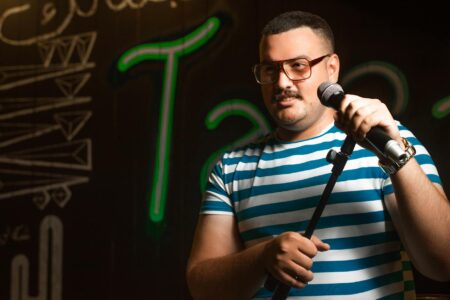



The microphone crackles to life, familiar jingles play, and suddenly it’s 1995 again. Except this time, the voice behind the mic built their audience through years of intimate podcast conversations, not morning drive-time radio slots.
Podcasters across the country are making an unexpected leap backward into traditional radio, bringing their loyal audiences and modern sensibilities to a medium many considered dead. Joe Rogan’s exclusive Spotify deal may have grabbed headlines, but a quieter revolution is happening as digital-first creators discover the reach and legitimacy that comes with terrestrial radio partnerships.
Marc Maron, who transformed from alternative radio personality to podcast pioneer with “WTF,” recently returned to radio with select syndicated shows. His deep-dive interview style, honed through thousands of podcast episodes, translates seamlessly to radio’s tighter format constraints. The move represents more than nostalgia – it’s strategic expansion into demographics that never made the podcast jump.
The Appeal of Appointment Listening
Radio offers something podcasts struggle with: serendipitous discovery. While podcast algorithms serve up similar content, radio still delivers that magical moment when drivers stumble across something unexpected during their commute. Bill Simmons, whose “The Ringer” podcast empire spans sports and pop culture, has experimented with radio specials that capture this spontaneous energy.
The format demands different skills. Podcasters accustomed to rambling three-hour conversations must learn radio’s art of the tease, the perfect segue, and the hard break. Sarah Koenig of “Serial” fame has consulted on radio documentary projects, finding that her investigative podcast techniques enhance traditional radio storytelling when compressed into shorter segments.
Radio also provides real-time audience connection through call-ins and live interaction. Podcasters like Conan O’Brien, who successfully transitioned from television to the podcast world with “Conan O’Brien Needs a Friend,” are exploring radio formats that blend his interview skills with immediate audience participation.
Reaching Beyond the Podcast Bubble
Despite podcasting’s growth, radio still reaches 272 million Americans weekly according to Nielsen data. For podcasters seeking broader impact, traditional radio offers access to demographics that streaming and download culture haven’t fully penetrated. This is particularly valuable for podcasters covering news, politics, and social issues.
Pod Save America hosts Jon Favreau, Jon Lovett, and Tommy Vietor built their audience through podcast-first political commentary, but their radio appearances and partnerships extend their influence into mainstream political discourse. Their radio work requires adapting complex policy discussions into digestible segments that work for casual listeners.
Similarly, true crime podcasters are finding radio syndication opportunities. While podcasts allow for deep dives and season-long narratives, radio versions focus on compelling single-episode stories that hook new listeners who might then seek out the full podcast series.
The crossover works both ways. As celebrity gaming streams become prime time television, podcasters are discovering that traditional media partnerships can amplify their digital presence.
Advertising and Revenue Opportunities
Radio advertising operates on different economics than podcast sponsorships. While podcast ads often rely on host-read endorsements and direct-response marketing, radio offers broader brand awareness campaigns with higher production values. For podcasters, this represents new revenue streams and the ability to command premium rates for their unique audience insights.
Howard Stern’s satellite radio success paved the way for personality-driven radio programming, but podcasters bring something different: proven audience loyalty and engagement metrics. Radio stations can leverage podcasters’ social media presence and email lists to drive tune-in and create multimedia campaigns.
The integration isn’t always smooth. Podcasters must navigate FCC regulations, station programming requirements, and union considerations that don’t exist in the podcast world. Some have struggled with radio’s more corporate environment after years of independent content creation.
Technology Bridging Two Worlds
Modern radio increasingly resembles podcasting infrastructure. Stations offer on-demand streaming, episode archives, and supplementary content that mirrors podcast distribution. This technical convergence makes the transition easier for both creators and audiences.
Smart speakers are blurring the lines further. When listeners ask Alexa to play their favorite podcast, they might get a radio show instead, or vice versa. This technological overlap creates opportunities for content that exists in both formats simultaneously.
Live streaming platforms allow podcasters to test radio-style formats before committing to traditional broadcast partnerships. Many successful radio transitions begin with experimental live shows that gauge audience reaction to different pacing and content approaches.
The podcaster-to-radio movement reflects broader changes in how audiences consume audio content. As the lines between traditional and digital media continue blurring, successful creators are those who adapt their skills across platforms rather than remaining locked in single formats.
This trend suggests radio’s future lies not in competing with podcasts but in integrating podcast creators and techniques. The most successful partnerships combine radio’s reach and production quality with podcasting’s intimacy and audience connection. For listeners, this means more diverse programming and the chance to discover new voices through unexpected channels.
Frequently Asked Questions
Why are podcasters moving to traditional radio?
Radio offers broader reach, new demographics, and different advertising opportunities while maintaining their established audience base.
How do podcast techniques work on radio?
Podcasters adapt their interview skills and audience connection to radio’s format constraints and real-time broadcast requirements.