



The Rise of Mental Fitness Centers
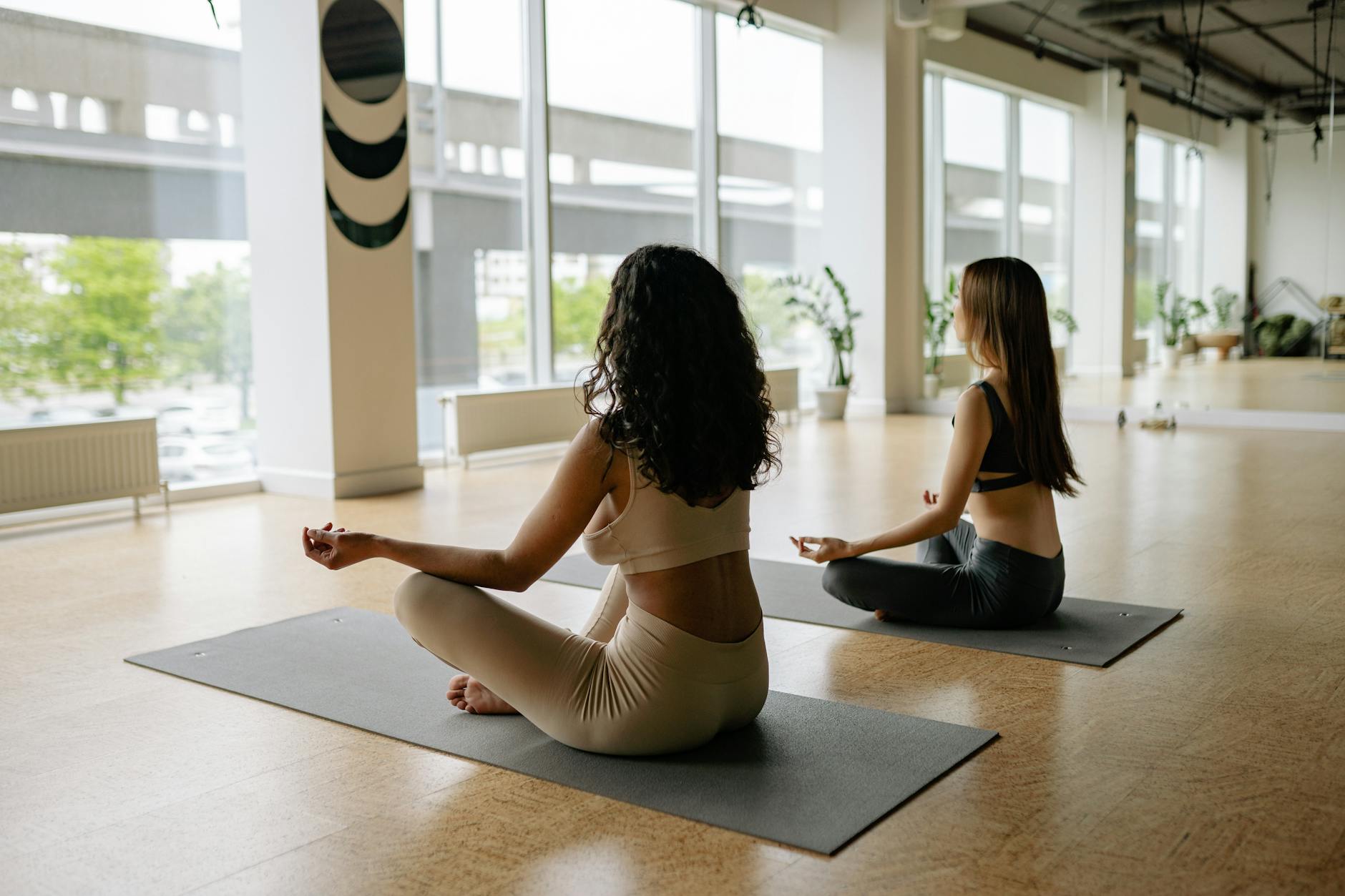
SoulCycle’s packed spin classes are giving way to packed meditation rooms. Across Manhattan, Los Angeles, and San Francisco, a quiet revolution is transforming the fitness landscape. Traditional gyms with their rows of treadmills and weight machines are losing ground to sleek meditation studios offering sound baths, breathwork classes, and mindfulness retreats.
The numbers tell the story. MNDFL, one of New York’s pioneering meditation studios, expanded from one location in 2015 to multiple sites before the pandemic reshaped the wellness industry. Meanwhile, major gym chains like New York Sports Club have closed dozens of locations, unable to compete with boutique wellness experiences that promise mental transformation alongside physical benefits.
This shift reflects a fundamental change in how urban professionals view fitness. Where once a good workout meant burning calories and building muscle, today’s wellness seekers want to calm their nervous systems and improve their focus. The result is a booming market for meditation studios that blend ancient practices with modern amenities.
Why City Dwellers Choose Stillness Over Sweat
The appeal of meditation studios over traditional gyms stems from the unique stresses of urban living. Tech workers in Silicon Valley report that 30-minute meditation sessions help them process the constant stimulation of open offices and endless Slack notifications. Wall Street professionals say breathwork classes provide better stress relief than hour-long cardio sessions.
“I used to spend two hours at Equinox every morning,” says Sarah Chen, a marketing director in Manhattan. “Now I do 45 minutes at a meditation studio and feel more energized for the rest of my day.” Chen represents a growing demographic of professionals who view mental training as essential as physical conditioning.
The business model proves equally attractive to entrepreneurs. Opening a meditation studio requires significantly less equipment than a traditional gym. No expensive weight machines, no maintenance-heavy cardio equipment, no locker room facilities. A few cushions, sound equipment, and carefully designed lighting can transform any space into a wellness sanctuary.
Studios like Unplug Meditation in Los Angeles and The Path in New York charge premium prices for classes that cost far less to deliver than personal training sessions or group fitness programs. The economics work for both owners and clients seeking efficient wellness solutions.
Technology Meets Ancient Practice
Modern meditation studios bear little resemblance to traditional Buddhist temples or yoga ashrams. Companies like Inscape in New York created immersive experiences with custom lighting systems, temperature controls, and specially designed acoustics. Their flagship location features a dome-shaped meditation room that resembles a high-end planetarium more than a spiritual center.
Many studios incorporate biometric feedback, allowing participants to track their heart rate variability and stress levels before and after sessions. Apps like Headspace and Calm paved the way for this tech-forward approach to mindfulness, proving that ancient practices could be packaged for modern consumers.
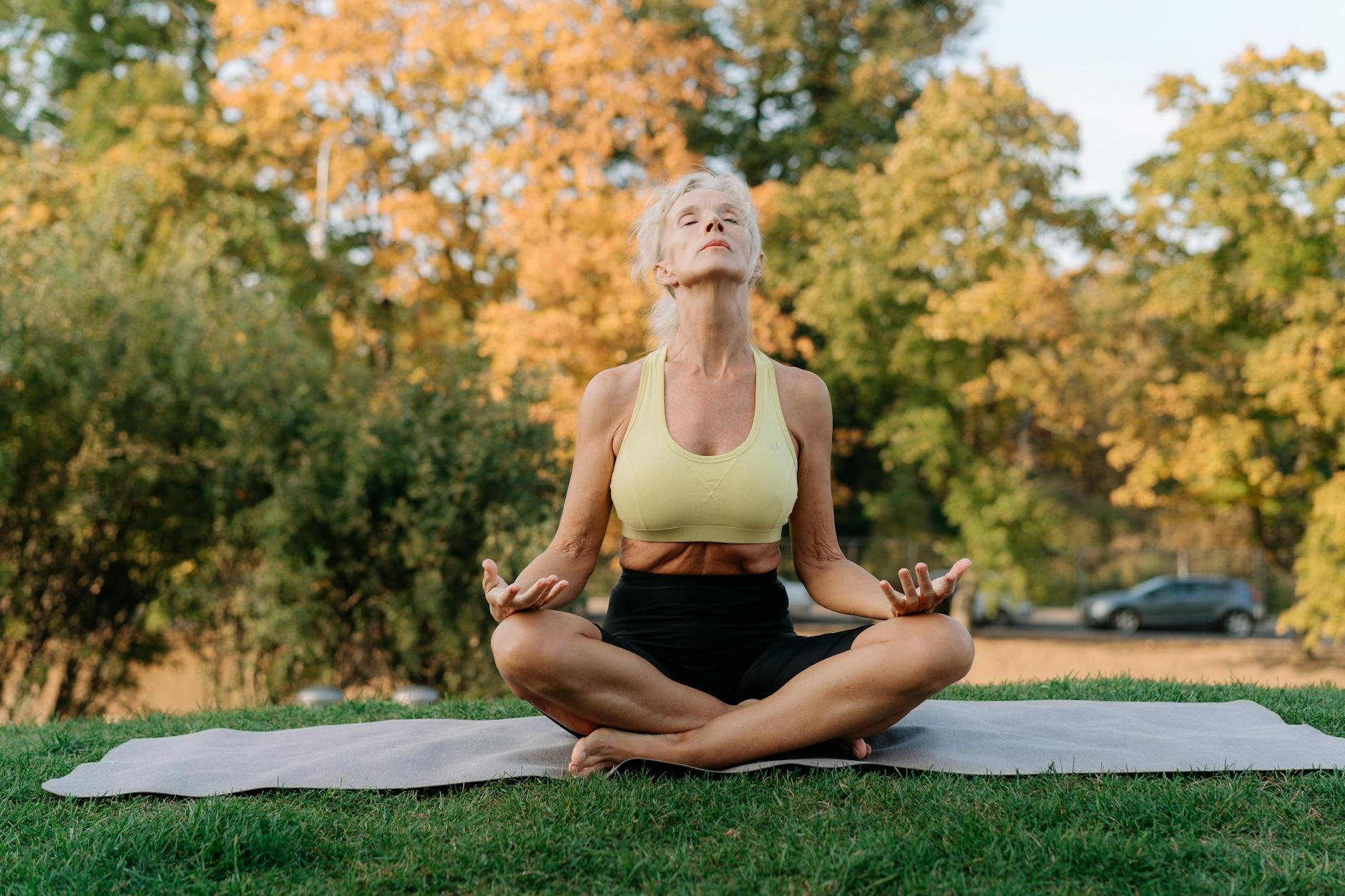
The most successful studios create Instagram-worthy environments that encourage social media sharing. Himalayan salt walls, living plant installations, and architecturally striking meditation pods provide the visual appeal that urban wellness seekers expect. This aesthetic focus helps distinguish premium studios from budget alternatives and justifies higher price points.
Sound bath sessions particularly benefit from technological enhancement. Studios invest in crystal singing bowls, gongs, and electronic sound systems that create immersive audio experiences impossible to replicate at home. These sessions often sell out faster than traditional meditation classes, demonstrating strong demand for experiential wellness offerings.
The Business of Inner Peace
The meditation studio boom extends beyond individual entrepreneurs to major wellness companies and real estate developers. WeWork famously included meditation rooms in many of their co-working spaces, recognizing the appeal of on-site mindfulness offerings for stressed professionals.
Corporate partnerships drive significant revenue for established studios. Companies like Google, Netflix, and Goldman Sachs regularly book group sessions for employees, viewing meditation training as a retention and productivity tool. These corporate clients often pay premium rates for customized programs and private sessions.
Membership models borrowed from traditional gyms help studios maintain steady revenue streams. Unlimited monthly packages encourage regular attendance while generating predictable income. Many studios also sell retail products like meditation cushions, essential oils, and branded accessories to boost per-customer revenue.
The subscription economy extends to virtual offerings as well. Studios that built strong local communities before 2020 successfully transitioned to online classes during lockdowns, retaining members who might otherwise have canceled gym memberships. This hybrid model now allows studios to serve clients beyond their immediate geographic areas.
Looking Ahead: The Future of Urban Wellness
As meditation studios continue expanding in major cities, traditional gyms are adapting by incorporating mindfulness elements into their offerings. Equinox added meditation classes to their group fitness schedules, while smaller chains experiment with dedicated quiet spaces and recovery-focused amenities.
The trend suggests a broader shift in how urban professionals prioritize wellness spending. Rather than focusing solely on physical appearance or athletic performance, today’s consumers invest in practices that promise better sleep, reduced anxiety, and improved mental clarity. This evolution positions meditation studios not as competitors to gyms, but as essential complements to comprehensive wellness routines.
Real estate developers increasingly view meditation studios as valuable retail tenants, similar to coffee shops or boutique fitness concepts. These businesses activate street-level spaces while serving the wellness needs of nearby office buildings and residential developments.
The meditation studio revolution reflects deeper changes in urban work culture and lifestyle priorities. As remote work blurs the boundaries between professional and personal spaces, dedicated places for mental training become increasingly valuable. The studios replacing traditional gyms offer something that home practice cannot: community, structure, and escape from the constant connectivity of modern city life.
Frequently Asked Questions
Why are meditation studios becoming more popular than gyms?
Urban professionals find meditation more effective for managing stress and improving focus than traditional cardio and weight training.
How much do meditation studio classes typically cost?
Premium meditation studios charge similar rates to boutique fitness classes, often ranging from $25-40 per session in major cities.