



What started as recovery therapy for elite athletes has become the ultimate flex for wellness enthusiasts. Ice baths, once confined to sports medicine facilities and rehabilitation centers, now occupy prime real estate in luxury spas, high-end gyms, and celebrity Instagram feeds. From Hollywood A-listers to tech moguls, cold water immersion has transformed from medical treatment to social currency.
The shift happened gradually, then all at once. Professional athletes like LeBron James and Tom Brady have long championed ice baths for recovery, but the practice gained mainstream momentum when wellness influencers began documenting their frigid plunges. What emerged wasn’t just a health trend-it was a symbol of commitment, discipline, and access to cutting-edge wellness technology.
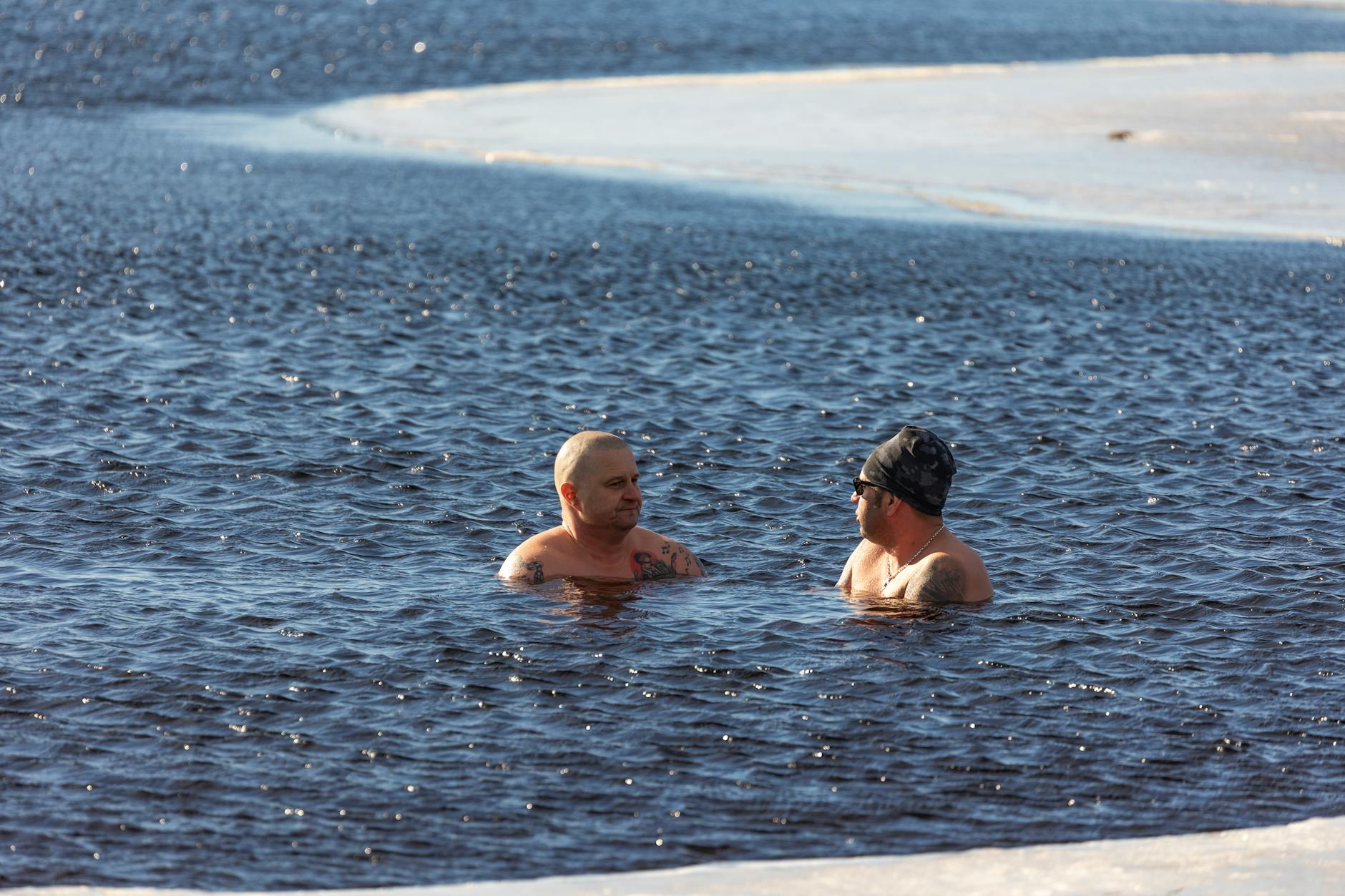
The Science Behind the Status
Ice bath therapy, or cold water immersion, triggers a cascade of physiological responses that extend far beyond muscle recovery. When the body encounters temperatures between 50-59 degrees Fahrenheit, blood vessels constrict, reducing inflammation and metabolic activity. The practice reportedly increases norepinephrine levels, potentially boosting mood and focus while strengthening the immune system.
Dr. Rhonda Patrick, a prominent biochemist, has extensively researched cold exposure benefits, citing studies that show regular ice baths may improve insulin sensitivity and activate brown fat production. These findings provided scientific credibility to what many dismissed as just another wellness fad.
The Wim Hof Method, popularized by the Dutch extreme athlete known as “The Iceman,” brought structured cold exposure to mainstream audiences. Hof’s breathing techniques combined with ice baths created a comprehensive system that celebrities and biohackers embraced. His workshops now command premium prices, with participants paying thousands to learn techniques they could research online for free.
But science alone doesn’t explain ice baths’ social media dominance. The visual impact of someone voluntarily enduring obvious discomfort creates compelling content. The combination of scientific backing and dramatic imagery proved irresistible to influencers seeking authentic wellness credentials.
Celebrity Cold Plungers Drive the Trend
High-profile endorsements transformed ice baths from niche recovery tool to aspirational lifestyle choice. Lady Gaga documented her ice bath sessions during her “Chromatica” tour preparation, sharing vulnerable moments of pre-performance ritual with millions of followers. Her posts emphasized mental preparation as much as physical recovery, adding psychological depth to the practice.
Tony Robbins, the self-help mogul, built cold plunging into his morning routine decades before it became trendy. His advocacy helped position ice baths as tools for mental conditioning rather than just athletic recovery. Robbins’ influence extends beyond wellness circles into business communities where his methods are studied and replicated.
The podcast world amplified the trend significantly. Joe Rogan’s frequent discussions about cold exposure therapy reached massive audiences already interested in optimization and performance enhancement. When guests like neuroscientist Andrew Huberman explained the neurological benefits of cold immersion, they provided scientific frameworks for what many experienced intuitively.
Tech entrepreneurs embraced ice baths as symbols of optimization culture. The same mindset that drives software efficiency improvements naturally extended to human performance enhancement. Silicon Valley executives began installing high-end cold plunge systems in their offices, creating workplace wellness amenities that doubled as conversation starters and networking tools.
The Equipment Arms Race
Consumer demand sparked innovation in cold plunge equipment, transforming simple ice-filled tubs into sophisticated wellness appliances. Companies like Plunge and Cold Plunge developed residential systems with precise temperature controls, filtration systems, and sleek designs that complement luxury home aesthetics.
Premium models now feature smartphone connectivity, allowing users to monitor and adjust temperatures remotely. Some systems include ozone purification, LED lighting, and even built-in sound systems for meditation during cold exposure sessions. Prices range from $4,000 for basic residential units to over $20,000 for commercial-grade systems.
The accessibility of home units democratized what was once exclusive to professional facilities. However, the high price points maintain aspirational appeal. Owning a personal cold plunge system signals both financial capacity and commitment to wellness optimization.
Instagram and TikTok filled with home cold plunge setups, from converted chest freezers to custom-built outdoor installations. DIY enthusiasts shared budget-friendly alternatives, but the luxury models remained status symbols. The visual distinction between makeshift solutions and professional equipment became another layer of social signaling.
Recovery centers and wellness spas capitalized on the trend by positioning cold plunging as premium experiences. Facilities like The Well in New York and Remedy Place in Los Angeles integrated ice baths into comprehensive wellness programs, charging premium rates for guided sessions and exclusive access.
The Psychology of Public Suffering
Ice baths tap into fundamental psychological drivers that extend beyond physical benefits. The willingness to endure voluntary discomfort signals mental toughness and self-discipline-qualities valued across cultures and industries. Social media amplifies these signals, allowing practitioners to broadcast their commitment to difficult practices.
The practice creates natural content milestones. First attempts, temperature progressions, and duration achievements provide ongoing narrative arcs for wellness journeys. Unlike other fitness activities that may appear effortless when performed skillfully, ice baths visibly challenge participants regardless of experience level.
Group ice bath sessions have become networking opportunities and team-building exercises. Corporate retreats now include cold plunge challenges, while wellness communities organize regular group sessions. The shared experience of voluntary discomfort creates bonding opportunities and mutual accountability.
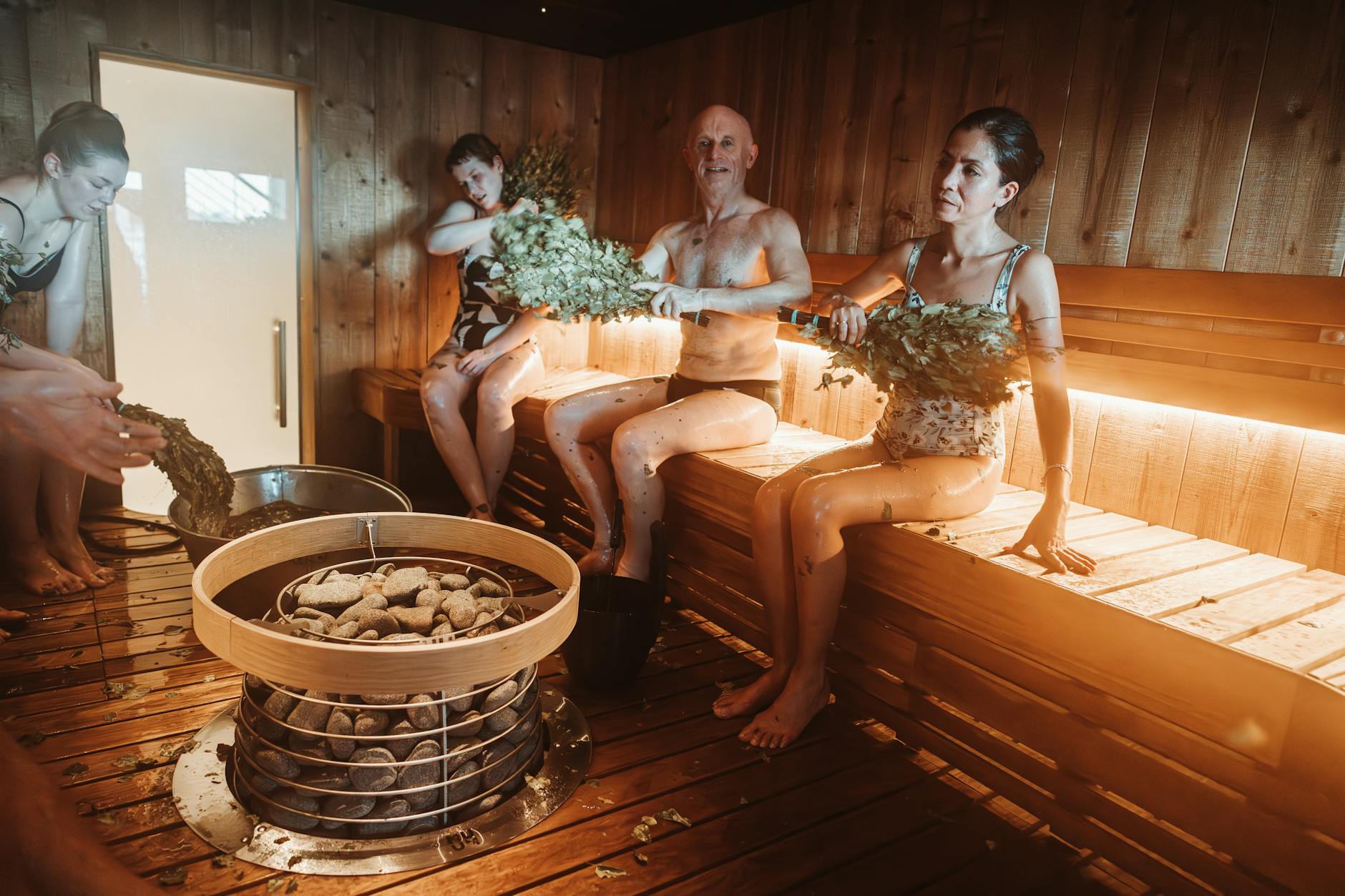
The trend intersects with broader wellness culture shifts toward practices that demonstrate commitment over convenience. Ice baths require no special skills or athletic ability-just willingness to be uncomfortable. This accessibility makes them appealing status symbols for people seeking wellness credibility without extensive training or natural talent.
Beyond the Hype: Sustainable Wellness or Fading Fad?
As ice bath therapy enters its mainstream phase, questions emerge about long-term sustainability and actual benefits versus perceived status value. Early research supports many claimed benefits, but longer-term studies are limited. The scientific community continues investigating optimal protocols, frequency recommendations, and individual variation in responses.
The wellness industry’s history suggests that practices with strong scientific foundations and practical benefits tend to persist while purely trendy elements fade. Ice baths’ athletic recovery heritage provides substance beyond social media appeal, suggesting staying power beyond current hype cycles.
Commercial infrastructure now supports widespread adoption. Equipment manufacturers, training programs, and facility integration create economic incentives for continued promotion. Unlike trends dependent solely on influencer endorsement, ice bath therapy has developed supporting ecosystems that encourage persistence.
The democratization of cold exposure through affordable equipment and DIY solutions may ultimately strengthen the practice’s longevity. When status symbols become accessible, their staying power often depends on intrinsic value rather than exclusivity. Early evidence suggests many practitioners continue ice bath routines beyond initial social media motivation.
Frequently Asked Questions
What temperature should ice baths be for maximum benefit?
Most experts recommend water temperatures between 50-59 degrees Fahrenheit for optimal therapeutic effects without excessive shock.
How long should you stay in an ice bath?
Beginners should start with 1-2 minutes, while experienced practitioners may extend sessions to 10-15 minutes depending on tolerance and goals.