



Dua Lipa transforms from pop sensation to culinary entrepreneur as her restaurant ventures challenge traditional celebrity dining concepts, prioritizing authenticity and cultural connection over flashy branding.
The Grammy-winning artist’s approach to hospitality represents a significant departure from typical celebrity restaurant investments. Rather than simply lending her name to existing establishments, Lipa has reportedly taken an active role in developing dining concepts that reflect her Albanian heritage and global travels. This hands-on involvement mirrors the broader trend of entertainers seeking meaningful business ventures beyond their primary careers.
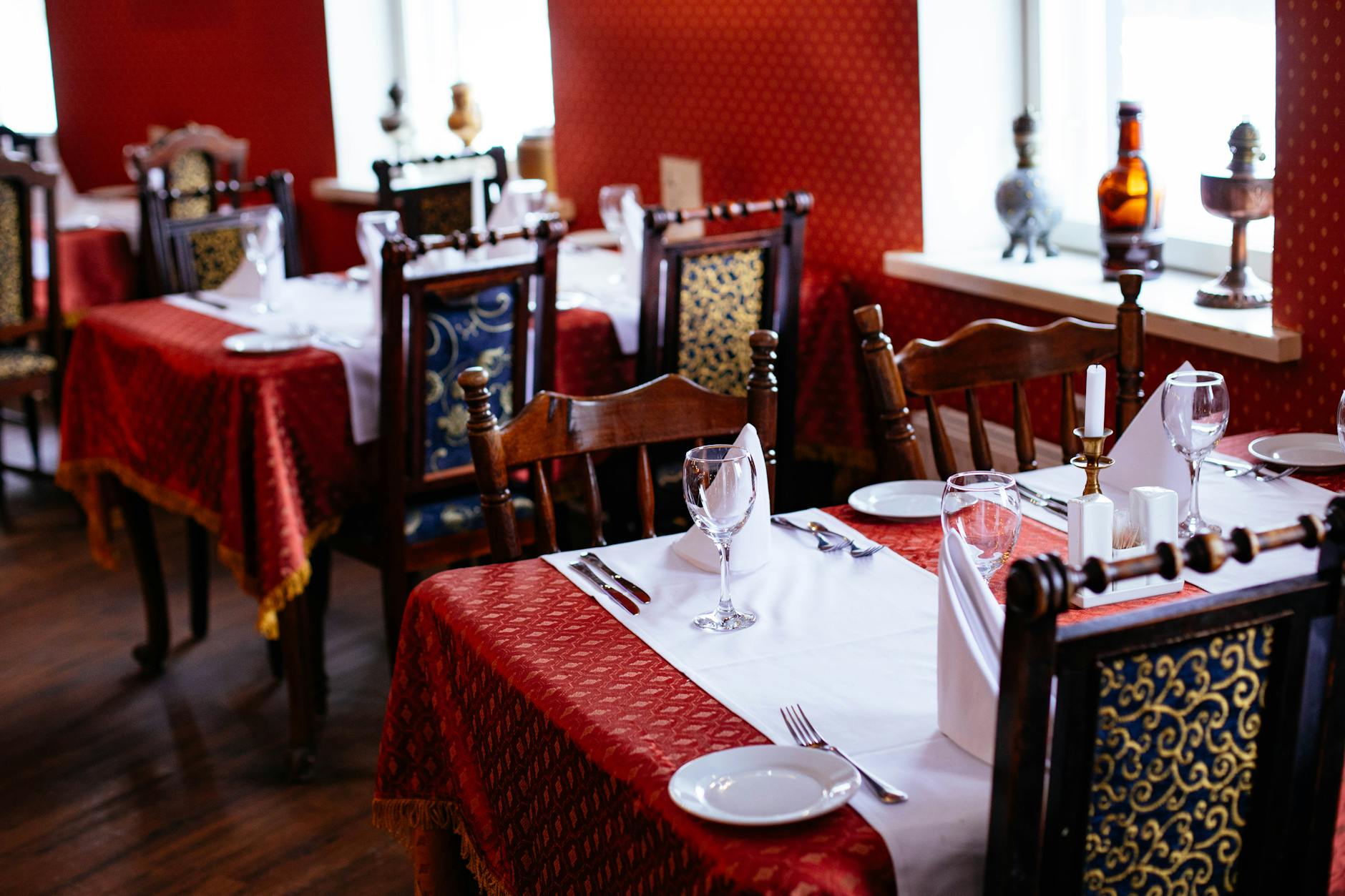
Her restaurant interests emerged following years of documenting food experiences during world tours, sharing authentic local cuisines with her massive social media following. Unlike many celebrity dining ventures that focus primarily on atmosphere and star power, Lipa’s concepts reportedly emphasize genuine cultural storytelling through food, creating spaces that celebrate heritage rather than exploit it for commercial gain.
Authentic Cultural Expression Through Food
Lipa’s restaurant philosophy centers on showcasing Albanian and Balkan cuisines to international audiences, drawing from family recipes and traditional cooking methods. Her approach acknowledges the underrepresentation of these culinary traditions in mainstream dining scenes, particularly in major metropolitan markets where celebrity restaurants typically launch.
The singer has spoken publicly about her desire to introduce diners to the complex flavors and rich history of Balkan cuisine, moving beyond superficial fusion concepts that dilute authentic traditions. This commitment to cultural integrity has reportedly influenced menu development, sourcing decisions, and even staff training programs at her dining establishments.
Her restaurants feature traditional dishes like burek, cevapi, and various regional specialties, prepared using time-honored techniques while adapting presentation for contemporary dining preferences. The emphasis remains on honoring cultural authenticity while making these cuisines accessible to diverse audiences unfamiliar with Balkan food traditions.
Industry observers note this approach contrasts sharply with many celebrity dining ventures that prioritize social media appeal over culinary substance. Lipa’s focus on education and cultural exchange through food reflects a more mature approach to celebrity entrepreneurship, similar to how other entertainers like those expanding into meaningful business ventures have approached their non-entertainment projects.
Strategic Business Model Innovation
The business structure behind Lipa’s restaurant ventures reportedly involves partnerships with established hospitality professionals rather than simple licensing agreements. This collaborative approach allows her to maintain creative control while leveraging industry expertise in operations, logistics, and expansion planning.
Her team has reportedly studied successful celebrity restaurant models, analyzing both triumphs and failures in the celebrity dining space. This research-driven approach influences location selection, pricing strategies, and marketing approaches that emphasize substance over celebrity association.

The restaurants operate with sustainable sourcing practices, reflecting Lipa’s public advocacy for environmental responsibility. Menu ingredients are reportedly sourced from suppliers who share these values, creating supply chain relationships that extend beyond purely transactional arrangements.
Financial analysts suggest Lipa’s restaurant investments represent long-term wealth building rather than quick profit generation. The focus on sustainable practices and authentic cuisine typically requires higher initial investments but creates more resilient business models that can weather market fluctuations better than concept-driven establishments.
Her approach includes staff training programs that emphasize cultural education alongside service excellence, ensuring team members can authentically represent the cuisines and traditions being showcased. This investment in human capital reflects a commitment to operational excellence that extends beyond opening-day publicity.
Impact on Celebrity Dining Trends
Lipa’s restaurant ventures contribute to a broader shift in celebrity dining toward more meaningful business relationships with food culture. Her emphasis on cultural education and authentic representation challenges the traditional celebrity restaurant model that prioritizes branding over substance.
The success of her approach has reportedly influenced other entertainers considering restaurant investments, encouraging deeper engagement with culinary concepts rather than superficial brand association. This trend reflects growing consumer sophistication in dining choices, with guests increasingly seeking authentic experiences over celebrity proximity.
Restaurant industry professionals note that Lipa’s model demonstrates the potential for celebrity involvement in dining to create positive cultural impact. By highlighting underrepresented cuisines and supporting traditional cooking methods, celebrity restaurants can serve educational and preservation functions alongside commercial objectives.
Her success has also influenced menu development trends at non-celebrity establishments, with more restaurants exploring authentic regional cuisines previously overlooked by mainstream dining markets. This ripple effect demonstrates how thoughtful celebrity business ventures can influence broader industry practices.
The emphasis on sustainability and ethical sourcing in her restaurant operations also reflects growing consumer expectations for responsible business practices, influencing how other celebrity entrepreneurs approach their dining investments.
Future Expansion and Industry Influence
Industry sources suggest Lipa’s restaurant concepts may expand to additional markets, with potential locations in cities with significant Balkan diaspora populations. This expansion strategy would maintain cultural authenticity while reaching audiences already familiar with the featured cuisines.

Her influence on celebrity dining trends appears likely to continue, particularly as more entertainers seek business ventures that align with their personal values and cultural backgrounds. The model of deep engagement with culinary traditions rather than superficial branding may become more prevalent among celebrity entrepreneurs.
The restaurant industry increasingly recognizes the potential for celebrity involvement to highlight underrepresented cuisines and support cultural preservation through commercial success. Lipa’s approach provides a framework for how entertainers can contribute meaningfully to dining culture while building sustainable business ventures.
Her success demonstrates that celebrity restaurant ventures can transcend typical entertainment industry crossovers, creating lasting cultural impact while achieving commercial viability. This balance of authenticity and business acumen positions her dining concepts as influential examples for future celebrity entrepreneurs considering restaurant investments.
The evolution of Lipa’s restaurant ventures will likely continue influencing how celebrity dining establishments approach cultural representation, sustainability, and authentic cuisine presentation in increasingly competitive hospitality markets.
Frequently Asked Questions
What makes Dua Lipa’s restaurants different from other celebrity dining ventures?
Her restaurants prioritize authentic Albanian cuisine and cultural education over celebrity branding and social media appeal.
How does Dua Lipa ensure authenticity in her restaurant concepts?
She reportedly uses traditional family recipes and partners with hospitality professionals while maintaining creative control over cultural representation.