



Silicon Valley executives are swapping cucumber eye masks for continuous glucose monitors. The traditional spa weekend of massages and meditation has evolved into something far more intensive: biohacking retreats where guests track every biomarker while optimizing their cellular function.
These high-tech wellness destinations combine ancient practices with cutting-edge science. Instead of simply relaxing, participants undergo comprehensive health assessments, experiment with cold plunges and infrared saunas, and leave with personalized protocols for everything from sleep optimization to micronutrient supplementation. The shift represents a fundamental change in how affluent consumers approach wellness – from passive relaxation to active optimization.
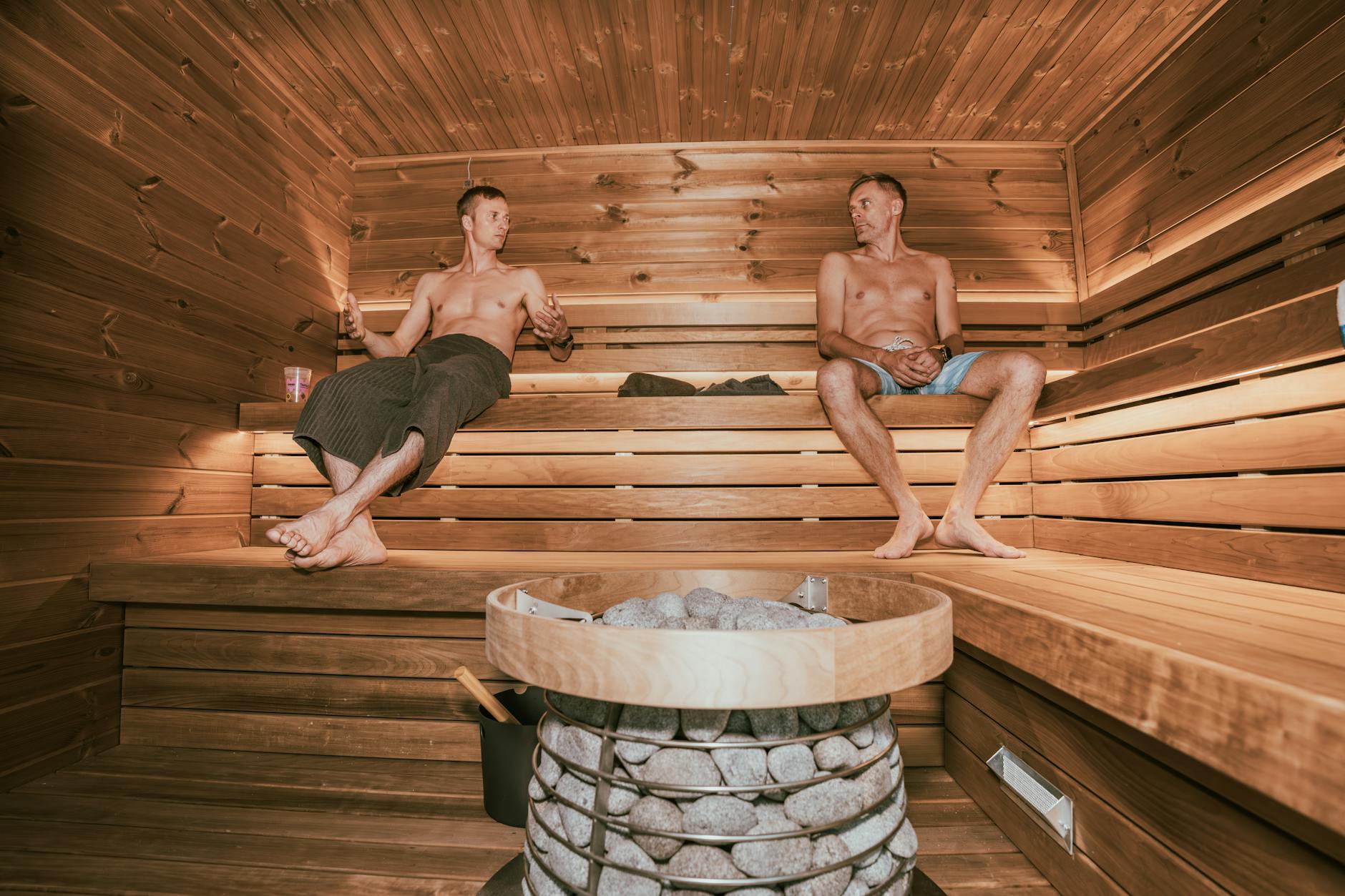
The Science-Driven Wellness Experience
Modern biohacking retreats operate more like research facilities than traditional spas. Guests begin with extensive testing that can include blood panels, genetic analysis, microbiome assessments, and body composition scans. The Four Seasons in Austin partnered with wellness company Senara to offer multi-day programs where participants track heart rate variability, monitor sleep stages, and test their response to various interventions.
These programs typically cost between $3,000 to $15,000 for a week-long experience, significantly more than traditional spa packages. However, participants receive detailed reports about their biological age, metabolic efficiency, and personalized recommendations based on their unique physiology.
The retreat experience involves structured experimentation with proven longevity practices. Participants might try intermittent fasting protocols, exposure to red light therapy, or specific breathing techniques while monitoring their real-time physiological responses. Unlike traditional spas where treatments follow a set menu, biohacking retreats adapt daily based on individual data.
Dr. Peter Attia’s principles around longevity medicine have influenced many of these programs. Retreat organizers focus on the four pillars of metabolic health, exercise physiology, nutritional biochemistry, and sleep optimization. Guests learn to interpret their own biomarkers and develop sustainable practices they can continue at home.
Technology Integration and Personalization
The tech component distinguishes these retreats from conventional wellness experiences. Participants wear multiple tracking devices simultaneously – continuous glucose monitors, heart rate variability sensors, sleep tracking rings, and temperature monitoring patches. The data flows into sophisticated apps that provide real-time feedback and recommendations.

Some retreats utilize advanced technologies like hyperbaric oxygen chambers, cryotherapy systems, and electromagnetic field therapy devices. The Peninsula Wellness Institute in Beverly Hills recently introduced photobiomodulation therapy alongside traditional massage services. These interventions target cellular repair mechanisms rather than just stress relief.
Artificial intelligence increasingly personalizes the experience. Machine learning algorithms analyze participant data to suggest optimal meal timing, exercise intensity, and recovery protocols. The technology can predict which interventions will be most effective for each individual based on their genetic profile and biomarker responses.
Virtual reality meditation sessions replace traditional spa relaxation rooms at some facilities. Participants can practice breathwork while immersed in simulated natural environments, with their stress response monitored through biometric feedback. The integration of technology extends the retreat experience beyond the physical location through ongoing app-based coaching and community support.
The Celebrity and Executive Appeal
High-profile entrepreneurs and entertainment industry figures have embraced biohacking retreats as both personal optimization and networking opportunities. These intensive programs attract individuals who view their bodies as systems to be optimized rather than simply maintained.
The retreats often feature expert speakers from longevity research, functional medicine, and performance optimization. Participants attend lectures on topics like mitochondrial function, hormone optimization, and cognitive enhancement while networking with like-minded high-achievers. The educational component appeals to individuals who want to understand the science behind wellness interventions.
Many retreat participants are already incorporating biohacking practices into their daily routines but seek professional guidance and community support. The retreat environment allows for safe experimentation with more advanced protocols under medical supervision. Participants can trial expensive technologies and treatments before investing in home equipment.
The exclusivity factor also drives appeal. Limited capacity programs with extensive screening processes create communities of committed participants. The shared experience of intensive self-optimization creates lasting connections among attendees, extending the value beyond the retreat duration.
The Future of Wellness Tourism
Traditional spa operators are adapting to this trend by incorporating biometric tracking and personalized protocols into their offerings. Luxury hotel chains are partnering with longevity medicine practitioners to develop hybrid programs that combine relaxation with optimization.
The democratization of biohacking technology may eventually make these experiences more accessible. As wearable devices become more sophisticated and affordable, mainstream wellness providers can offer similar data-driven personalization at lower price points. The retreat model may evolve into ongoing virtual coaching programs supported by at-home testing kits and remote monitoring.
International destinations are positioning themselves as biohacking tourism hubs. Costa Rica and Portugal have developed specialized facilities that combine favorable climates with advanced wellness technologies. The regulatory environment in these locations often allows for experimental treatments not yet approved in the United States.
The biohacking retreat industry reflects a broader shift toward preventative and personalized medicine. As longevity science advances and the technology becomes more accessible, this model of intensive wellness optimization will likely expand beyond luxury retreats into mainstream healthcare and wellness services.
Frequently Asked Questions
How much do biohacking retreats cost compared to traditional spas?
Biohacking retreats typically cost $3,000-$15,000 for a week, significantly more than traditional spa packages due to advanced testing and technology.
What kind of testing happens at biohacking retreats?
Participants undergo blood panels, genetic analysis, microbiome assessments, body composition scans, and continuous monitoring of various biomarkers.