


The Slide That Refuses to Be Simple
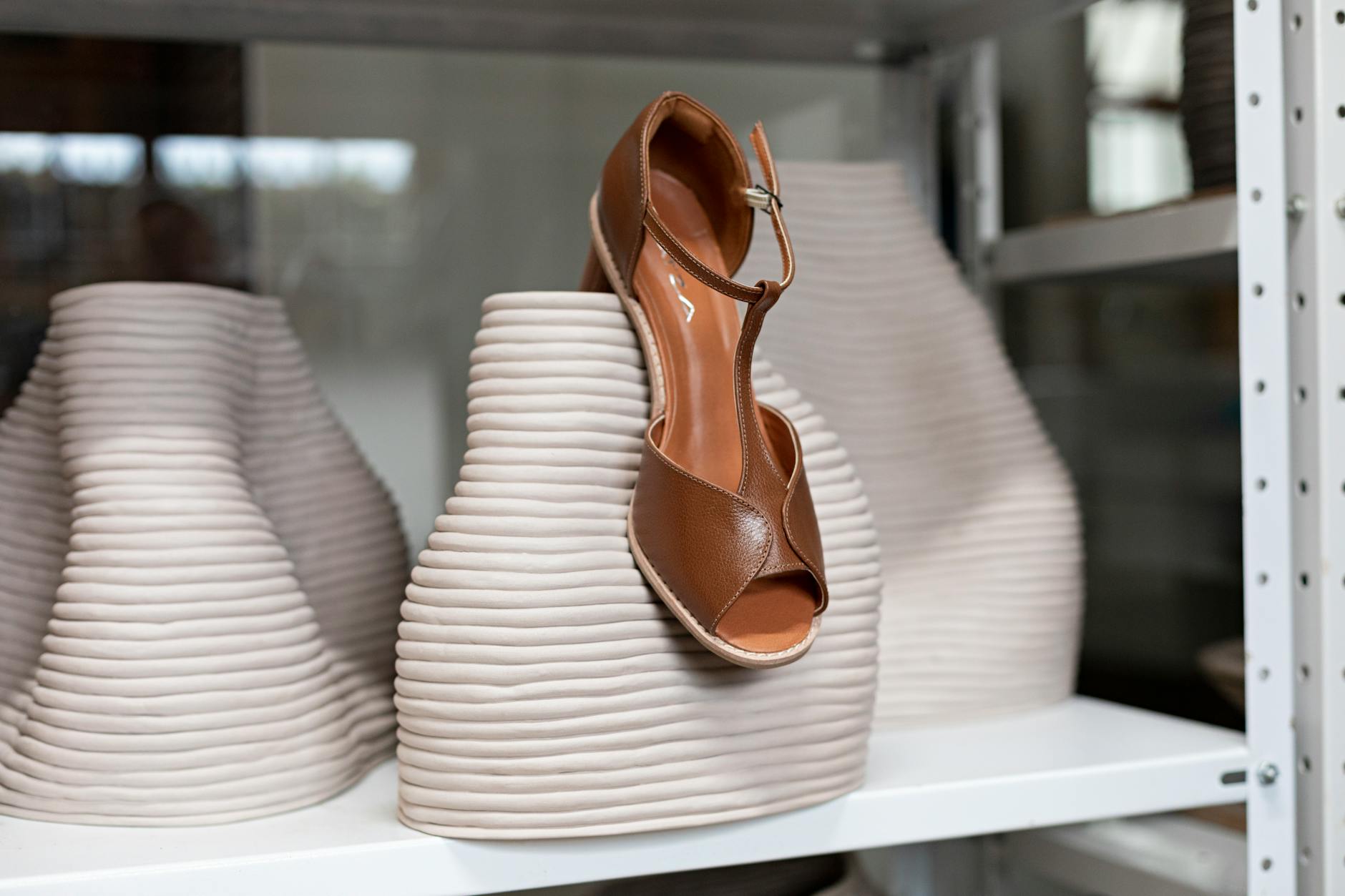
There is something almost counterintuitive about the Hermes Oran sandal’s current dominance. It is, by design, understated – a flat leather slide with an H-shaped strap cut directly from a single piece of calfskin. No platform, no embellishment, no architectural heel. And yet it keeps appearing on the feet of women who could wear anything, at events where footwear decisions are never accidental.
The Oran has existed since 1997, which makes its current moment all the more telling.
What’s happening now is not a revival. The sandal never went away. What shifted is the cultural appetite around it – a growing preference for shoes that communicate wealth through restraint rather than spectacle. The Oran fits that mood precisely, and the timing has accelerated its visibility in a way that feels less like trend and more like consensus forming in real time.
Why This Particular Shoe, Why Now
The broader conversation around “quiet luxury” has been running for a couple of seasons, but the Oran predates the terminology by decades. Hermes built its leather goods reputation on the idea that quality should be self-evident – that a person who knows, knows, and that explanation should never be necessary. The sandal carries that philosophy on its face. The H cutout is recognizable to anyone familiar with the house, invisible to anyone who isn’t. That dual function – signal and non-signal simultaneously – is exactly what a certain category of consumer is currently paying for.
Flat shoes also carry a different social weight than they did five years ago. The return of the heel has been announced repeatedly, and heels have certainly had their moments, but the practical flat has gained ground in a way that feels permanent rather than cyclical. Women in positions of serious professional and cultural authority are choosing comfort without apology, and the market for luxury flats has expanded accordingly. The Oran benefits from this directly – it reads as a choice, not a concession.
The colorway situation matters too. Hermes produces the Oran in an extensive range of shades, from neutral naturels and classic gold to seasonal colors that arrive with the precision of a fashion collection drop. That range means the sandal can function as a wardrobe staple in one iteration and a statement piece in another. Owning multiple pairs is not unusual among devoted fans, which drives both attachment and visibility. When a shoe works in four contexts across one summer, it gets worn – and seen – constantly.

How It Moves Through Culture
The Oran has developed a particular presence on social media that operates differently from shoes that were engineered for virality. It appears in the background of outfit photos rather than as the focal point. It shows up on feet boarding private planes, walking cobblestone streets in European cities, leaving morning workouts in neighborhoods where the coffee costs as much as a cocktail elsewhere. It functions as a detail rather than a destination, which paradoxically increases its appeal to people who are tired of shoes that demand attention.
That restraint has made it a recurring presence across luxury fashion conversation, similar to the kind of sustained cultural traction seen with investment bags like Bottega Veneta’s Intrecciato pieces – items that don’t announce themselves but accumulate meaning through consistent association with a certain kind of taste.
Resale tells part of the story clearly. The Oran holds its value in a way that most fashion footwear does not. On the secondary market, popular colorways frequently sell close to or above retail, which is unusual for sandals. That pricing stability signals genuine demand rather than manufactured hype – people are not flipping Orans for profit, they are holding them, wearing them out, and buying again. The sandal’s construction supports this: the leather is the same quality Hermes uses across its goods category, and a well-maintained pair develops a patina rather than deteriorating.
The Competition and Why It Isn’t Winning
The summer sandal market has produced several contenders over the past few seasons. Platforms from various Italian houses had their moment. Fisherman sandals cycled through quickly. Sporty hybrids from athletic-luxury collaborations generated attention but not the kind that lasts past the season. The Oran keeps outlasting them, not because it is aggressively marketed – Hermes advertising is notably sparse compared to its peers – but because it doesn’t carry the expiration date built into trend-driven design.
There is also the question of wearability across age ranges. The Oran does not read as young or old. It does not belong to a specific aesthetic category in the way that, say, a platform clog signals one kind of sensibility or a beaded flat signals another. That neutrality, combined with the brand’s weight, gives it broad reach without diluting the aspiration factor. A 28-year-old wearing it and a 55-year-old wearing it are both communicating taste, just in contexts that look completely different from each other.
The entry price – currently around $760 for the classic calfskin version – positions it as accessible within the luxury segment without feeling like a gateway product. It is not Hermes’ most expensive shoe, nor its cheapest. It sits in a range that feels like a considered purchase rather than a compromise, which matters enormously to how it is perceived and worn.
What makes the Oran’s current trajectory interesting is that Hermes has done almost nothing to chase it. No celebrity campaign, no obvious placement strategy, no limited-edition collaboration designed to generate a waiting list. The demand is organic in the specific sense that the house has not manufactured urgency around it – and yet the shoe keeps moving, keeps appearing, keeps selling through in colorways that don’t last long on shelves. Whether that restraint is strategy or simply Hermes being Hermes is a question the brand would never answer directly, and that silence might be the most on-brand thing about the whole situation.
Frequently Asked Questions
How much do Hermes Oran sandals cost?
The classic calfskin Oran sandal is currently priced around $760, though prices vary by colorway and leather type.
Why are Hermes Oran sandals so popular right now?
The Oran appeals to a growing preference for quiet, understated luxury – footwear that signals taste without spectacle, and holds its resale value well.