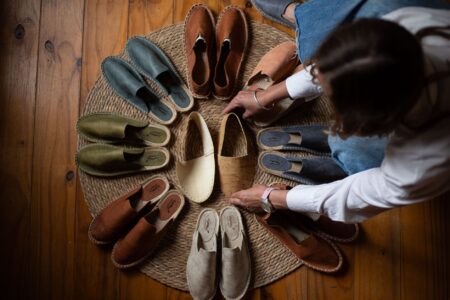



Gucci is changing – not loudly, not with a manifesto, but through the quiet accumulation of choices that point toward something stripped down and deliberately serious. The house that spent a decade synonymous with maximalism, logomania, and eclectic excess is moving in a direction shaped less by Alessandro Michele’s theatrical imagination and more by the ancient city where fashion was born.
The End of the Michele Aesthetic
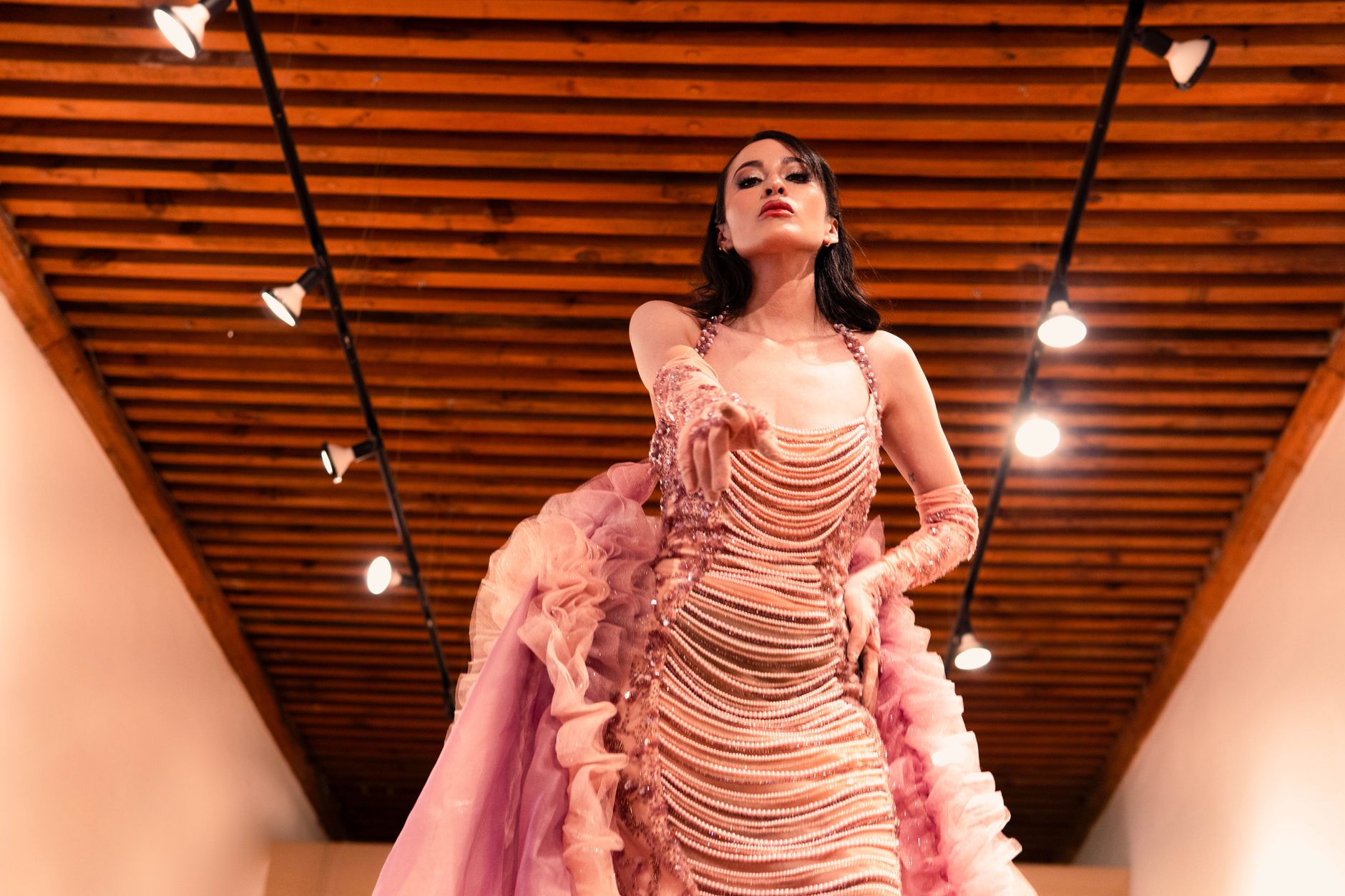
Alessandro Michele’s Gucci was an event. Every collection arrived like a costume party thrown by someone who had read too much Keats and spent too long in vintage markets – floral jackets layered over printed shirts, GG monograms on everything from belt buckles to dog leashes, models who looked like they had wandered off a Renaissance fresco. It was provocative, genuinely original, and enormously profitable. The creative director’s nine-year tenure redefined what a luxury fashion house could communicate, and for a certain era, Gucci was the loudest voice in the room.
That era ended in November 2022 when Michele departed and Sabato De Sarno was brought in to replace him. De Sarno came from Valentino, where he had spent years working quietly within a house known for couture precision and clean romantic silhouettes. His appointment signaled, immediately and without ambiguity, that Gucci’s ownership group Kering wanted something different. Not a slight pivot. A full course correction.
De Sarno’s debut collection in September 2023, shown in Florence, confirmed that instinct. The collection was monochromatic, structured, and rooted in what he called “Ancora” – Italian for “still” or “yet again” – a word that suggested continuity with Italian craft traditions rather than departure into fantasy. The signature color he introduced, a deep cherry red now known informally as “Ancora red,” became the clearest signal that Gucci was building a new visual identity from the ground up, one color, one silhouette, one restrained choice at a time.
The commercial context matters here. Kering reported declining Gucci revenues in the periods following Michele’s departure, as the luxury market broadly tightened and consumers began shifting away from maximalist logomania toward quieter expressions of wealth. That shift was not unique to Gucci, but Gucci had more exposure to it than most houses, given how thoroughly Michele’s aesthetic had colonized the brand’s identity. De Sarno’s appointment was as much a financial recalibration as it was a creative one.
What Roman Minimalism Actually Means
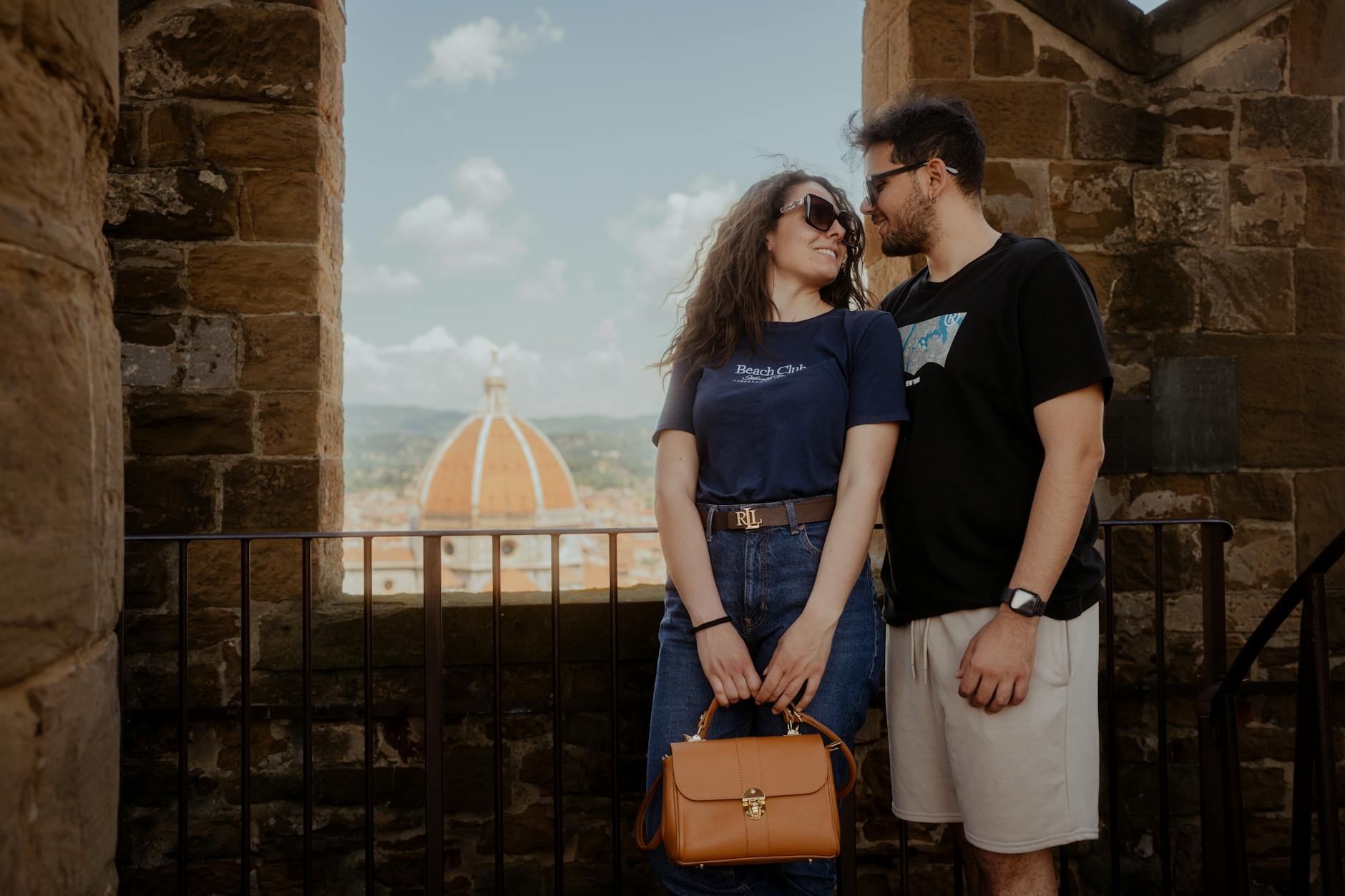
The phrase “Roman minimalism” needs some unpacking, because it is not simply about removing decoration. Roman aesthetic tradition – in architecture, in art, in civic design – has always been about grandeur achieved through proportion and material rather than ornamentation. The Pantheon is not a modest building. The Colosseum is not restrained in scale. But both achieve their power through structural clarity rather than applied decoration. De Sarno is drawing on that tradition, and the result is a Gucci that reads as serious and expensive without needing to announce itself.
In practical terms, this means tailoring that fits with architectural precision, leather goods where the quality of the hide does the talking instead of the GG monogram, and color palettes that feel considered rather than maximized. The silhouettes De Sarno favors are close to the body in a way that communicates confidence without theatrics. His version of a Gucci woman is not a muse or a character – she is simply someone who knows exactly what she wants and does not need a runway narrative to justify it.
Accessories are where this shift becomes most commercially legible. The Gucci Bamboo bag, revived with cleaner lines and less visible branding, has been selling steadily to customers who would previously have gravitated toward Bottega Veneta’s intrecciato bags for the same reason: craft you can see, branding you have to know to recognize. The Horsebit loafer, one of Gucci’s oldest codes, has been recentered as a quiet status marker for exactly the same demographic. These are not new products. They are existing products stripped of their louder associations and re-presented to a customer who reads restraint as taste.
What De Sarno is also doing, perhaps more cleverly than it first appears, is separating Gucci from streetwear adjacency. Michele’s Gucci had enormous crossover appeal with hype culture – the brand appeared in rap lyrics, on sneaker resale markets, in the wardrobes of influencers who used logos as cultural shorthand. That visibility came with a ceiling. When a brand becomes ubiquitous in street culture, heritage luxury customers begin looking elsewhere. De Sarno is reversing that equation, quietly repositioning the house upmarket at the cost of some cultural noise.
The menswear line is showing this most clearly. Where Michele dressed men in ruffled blouses, embroidered suits, and gender-fluid silhouettes that were genuinely radical for a heritage house, De Sarno’s men wear structured outerwear, clean knitwear, and tailored trousers that would not look out of place on a Roman politician circa 1965. The references are still Italian. The attitude is still confident. But the vocabulary is entirely different.
Whether the Market Will Follow
The luxury customer De Sarno is courting is real. There is a significant segment of high-income consumers who want Italian craft and heritage codes without the maximalist performance that defined the Michele years. That customer currently shops at Loro Piana, at Brunello Cucinelli, at the quieter corners of Hermès. If Gucci can credibly position itself in that territory, the revenue potential is substantial – and arguably more stable over time, because quiet luxury does not depend on cultural moment the way logomania does.
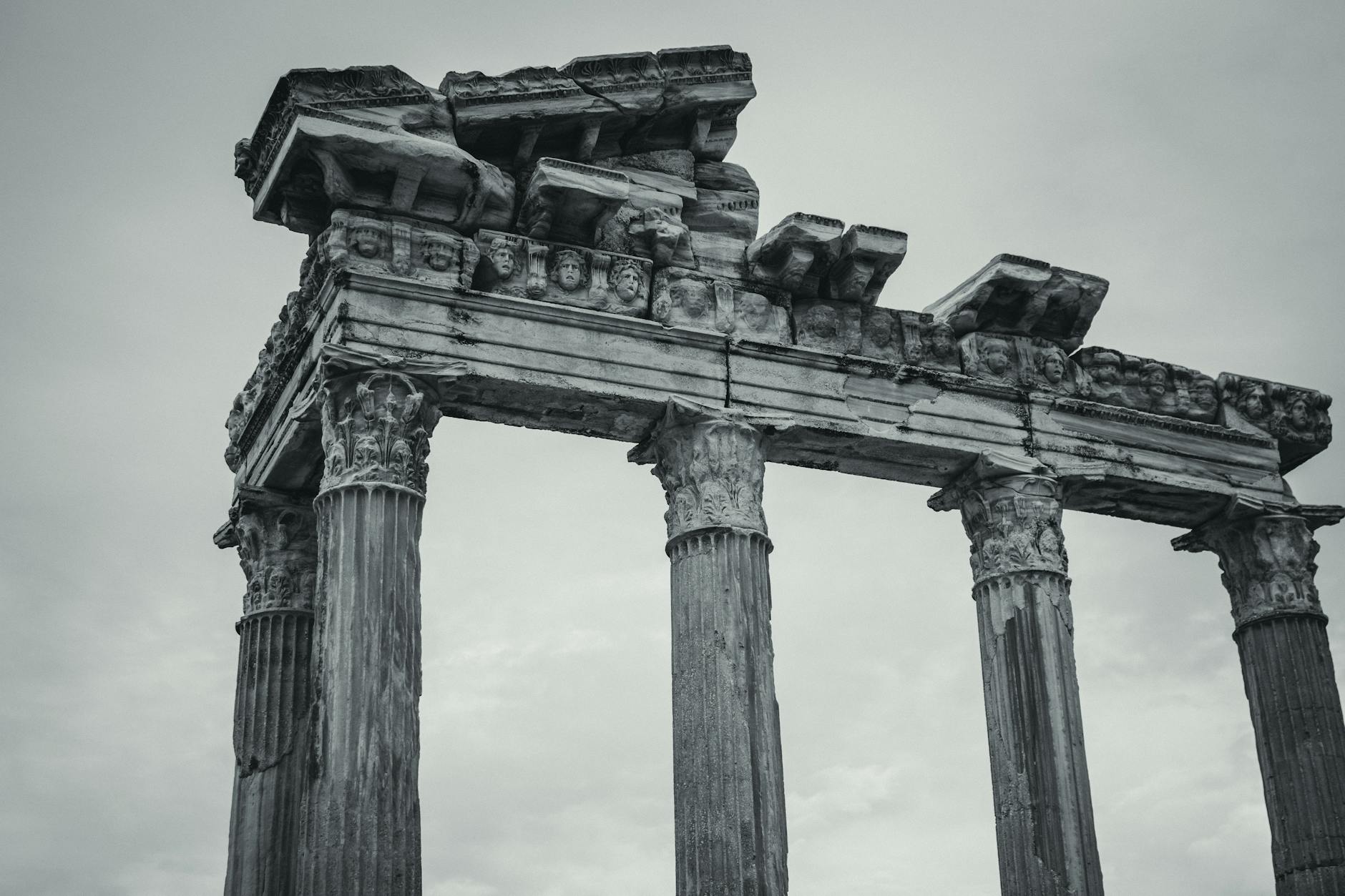
The tension, though, is that Gucci built two decades of global brand equity on being visible. The GG monogram is one of the most recognized luxury symbols in the world precisely because Michele and his predecessors put it everywhere, on everything, at every price point. Stepping back from that visibility is not just a creative choice – it risks confusing a customer base that chose Gucci specifically because they wanted to be seen choosing Gucci. Whether De Sarno’s version of the house can hold both audiences, or whether it will have to pick one definitively, is a question the next three collections will likely answer.
Frequently Asked Questions
Why did Alessandro Michele leave Gucci?
Michele departed Gucci in November 2022. Kering cited a desire for a new creative direction as the luxury market shifted away from maximalist aesthetics toward quieter, more restrained styling.
What is Sabato De Sarno’s aesthetic at Gucci?
De Sarno favors structured silhouettes, monochromatic palettes, and craft-forward accessories with minimal visible branding – a significant departure from Michele’s eclectic, logo-heavy approach.
What does “Ancora red” mean for Gucci?
“Ancora red” is the deep cherry red De Sarno introduced in his debut collection as a signature house color, representing his effort to build a new, cleaner visual identity for the brand.