



A pair of limited-edition Air Jordans now commands higher prices on resale markets than many traditional luxury handbags. The secondary sneaker market has exploded into a multi-billion dollar industry that operates with the speed and intensity of stock trading, complete with authentication services, price tracking apps, and professional resellers who treat rare drops like investment opportunities.
The numbers reveal a market that has fundamentally changed how luxury consumption works. While traditional luxury brands rely on seasonal collections and controlled scarcity, sneaker resale thrives on immediate demand spikes, celebrity endorsements, and the kind of cultural momentum that can turn a $200 retail shoe into a $2,000 collectible overnight.
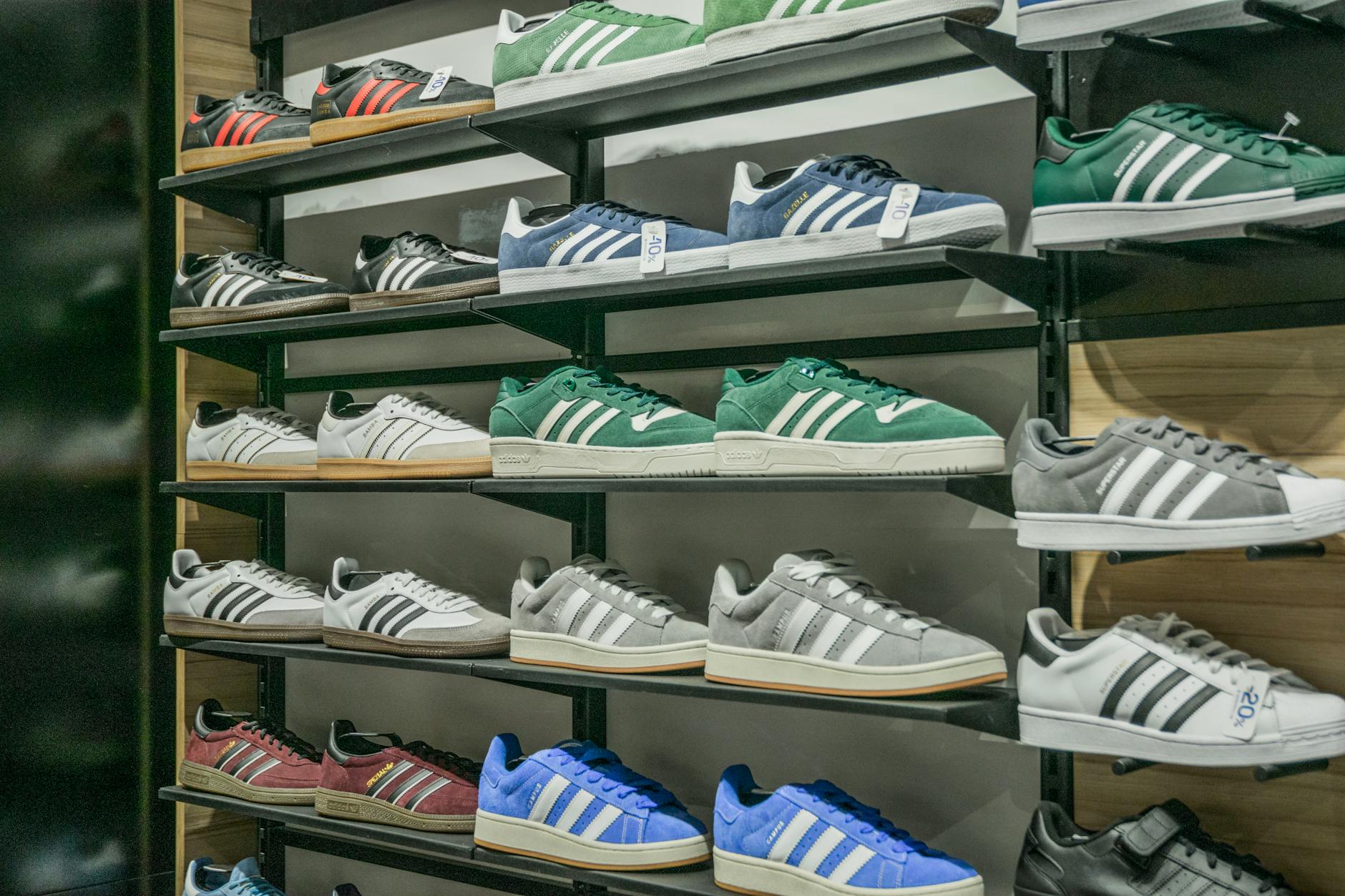
The Economics Behind the Hype
Traditional luxury operates on predictable cycles. A designer bag launches with fanfare, maintains its retail price for months or years, and may appreciate slowly over time if it becomes a classic. Sneaker releases work differently – they generate instant scarcity through limited production runs and strategic drops that last minutes, not months.
This artificial scarcity creates immediate value inflation. When only 10,000 pairs of a collaboration sneaker exist worldwide, and 500,000 people want them, basic economics takes over. The retail price becomes irrelevant the moment the shoes sell out, and resale prices can climb 300-500% within hours.
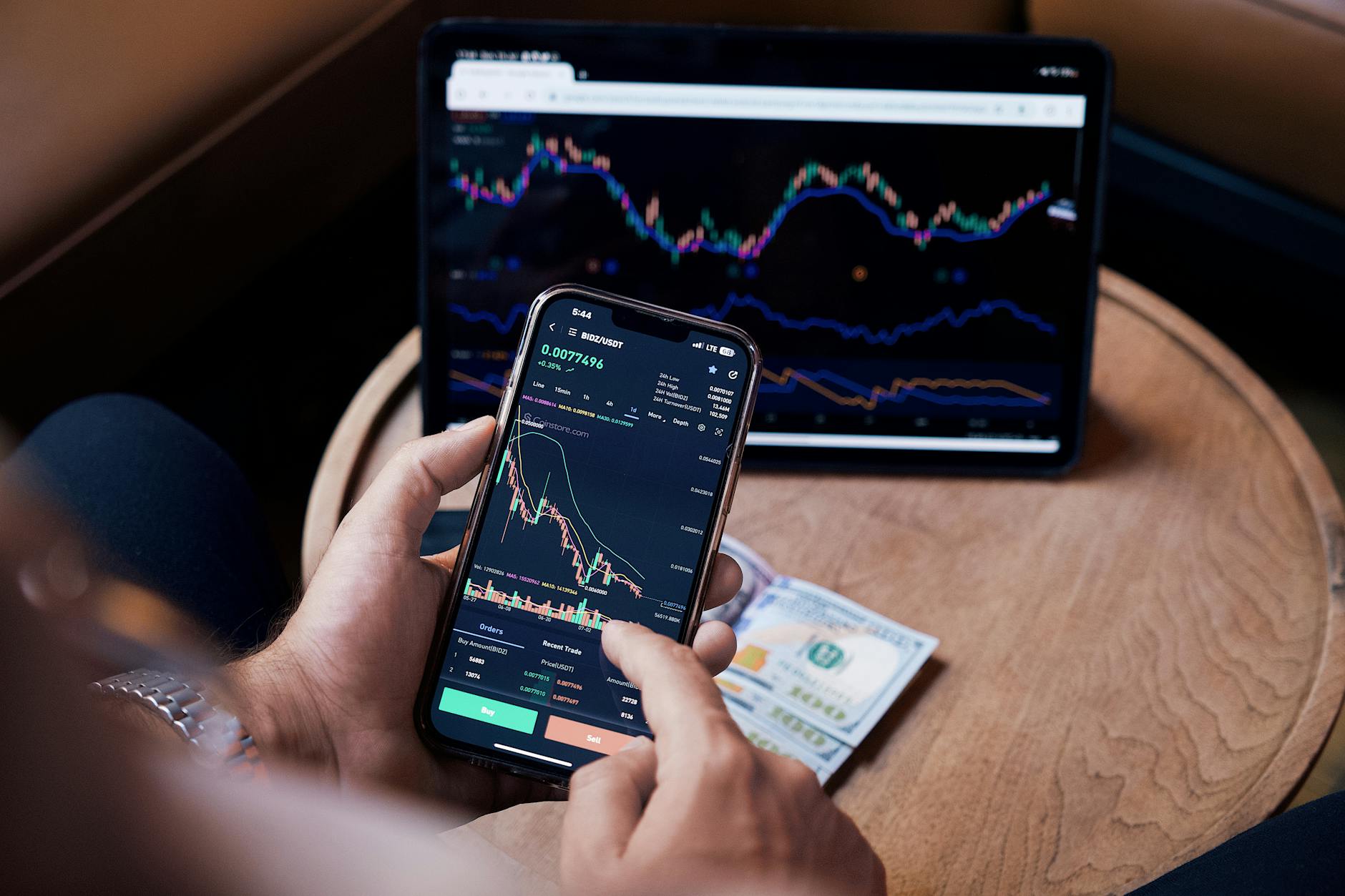
The speed of these transactions has created an entirely new category of luxury consumer. While traditional luxury buyers might research a purchase for weeks, sneaker resellers make split-second decisions based on real-time market data. Apps now provide instant price alerts, historical value charts, and authentication services that process transactions faster than most traditional luxury retailers can complete a single sale.
Authentication as the New Gatekeeper
The rise of professional authentication services has legitimized sneaker resale in ways that previous collectible markets never achieved. Companies now offer detailed verification processes that examine everything from stitching patterns to material composition, creating trust in a market that once relied on buyer expertise alone.
This infrastructure investment has attracted institutional money and serious collectors who previously focused on watches, art, or vintage cars. The authentication stamp has become as important as the sneaker itself, turning verification into a value-added service that commands premium pricing.
Cultural Currency Versus Traditional Status
Sneakers operate in cultural spaces where traditional luxury struggles to maintain relevance. A teenager wearing rare Yeezys commands instant recognition from peers in a way that carrying a designer bag might not. The cultural capital embedded in sneaker knowledge – knowing release dates, colorway names, and collaboration histories – creates communities that traditional luxury brands find difficult to replicate.
Social media amplifies this cultural currency. Sneaker photos generate engagement rates that luxury brands spend millions trying to achieve through traditional marketing. The authenticity of sneaker culture, built on genuine enthusiasm rather than aspirational marketing, creates organic promotion that no advertising budget can buy.
Traditional luxury brands have noticed this shift and attempted to enter sneaker collaborations, but their efforts often feel forced or inauthentic. The sneaker community values credibility and cultural relevance over brand heritage, making it difficult for established luxury houses to simply purchase their way into relevance.
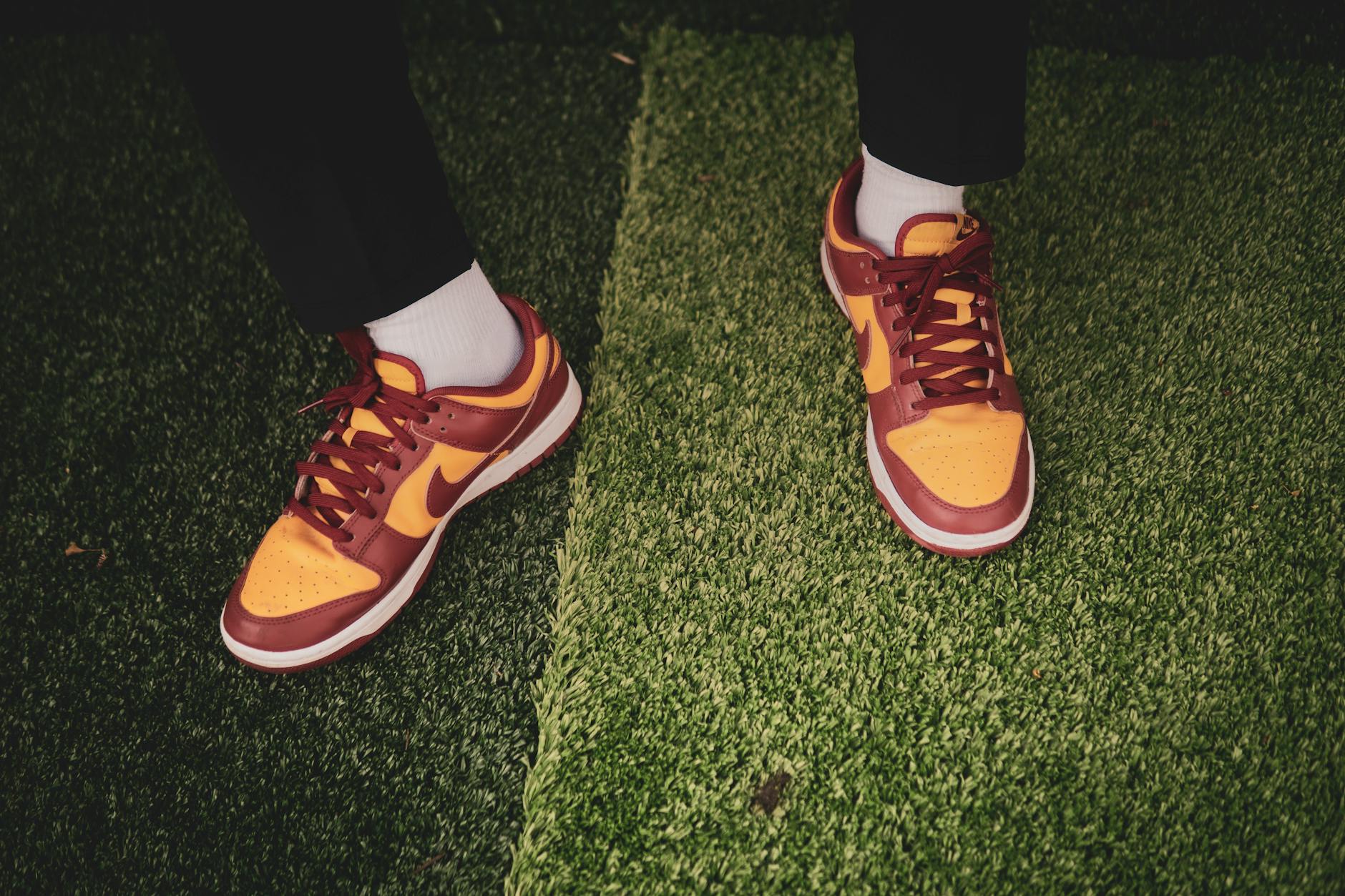
The market has also democratized luxury consumption in unexpected ways. While a Birkin bag requires waiting lists and relationships with sales associates, anyone can participate in sneaker drops through apps and websites. This accessibility, combined with the potential for immediate resale profit, has created a new class of luxury entrepreneur who treats sneaker releases as business opportunities rather than personal purchases.
The secondary market now influences primary market decisions in ways that traditional luxury never experienced. Brands monitor resale prices to gauge demand, adjust production runs based on secondary market performance, and even acknowledge resale culture in their marketing strategies. This feedback loop has accelerated the entire cycle of desire, scarcity, and value creation that drives luxury consumption.