



The music industry is racing to merge physical and digital experiences as concert tours integrate virtual reality technology to create immersive fan experiences that extend far beyond traditional live performances.
Major artists and production companies are now incorporating VR elements into their touring strategies, offering everything from backstage access to alternate reality concert visuals that sync with live performances. This technological shift represents a significant evolution in how audiences consume live music, blending the energy of in-person concerts with the limitless possibilities of virtual environments.
The trend gained momentum after the pandemic forced the entertainment industry to explore digital alternatives, but it has continued growing as artists discover VR’s potential to enhance rather than replace traditional concert experiences. Live Nation, AEG Presents, and other major promoters are investing heavily in VR infrastructure, partnering with technology companies to develop systems that can handle the demands of large-scale concert venues.
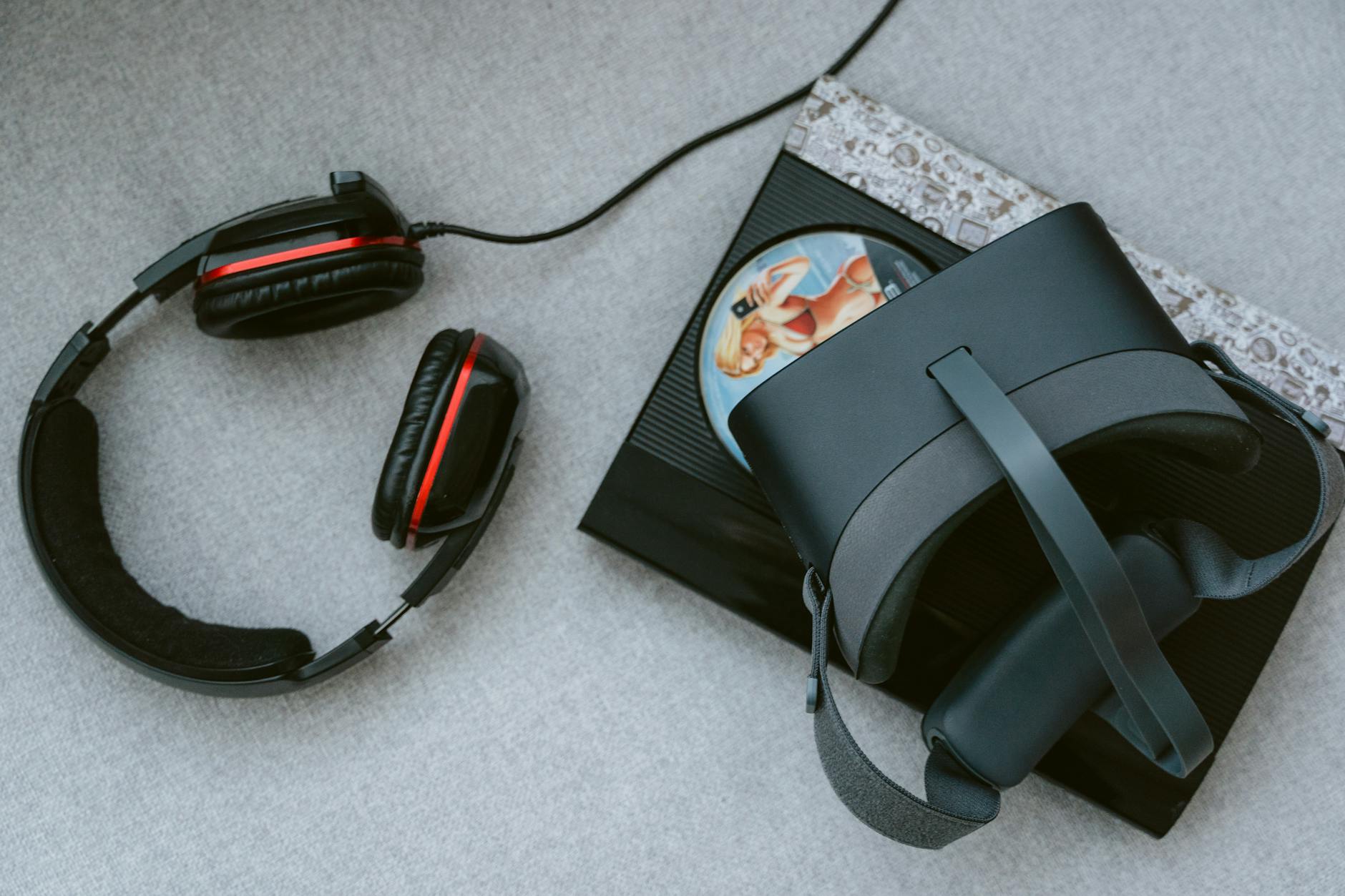
How VR Concert Experiences Work
Concert venues are installing VR stations throughout their facilities, allowing fans to access exclusive content through headsets during intermissions or before shows. These experiences range from 360-degree backstage tours to interactive music videos that respond to the live performance happening on stage.
Some artists are creating parallel virtual concerts that run alongside their physical shows. Fans wearing VR headsets can see additional visual elements, access different camera angles, or even participate in interactive elements that aren’t visible to the general audience. The technology allows for personalized experiences where each fan can choose their viewing perspective or access exclusive content based on their ticket tier.
The setup typically involves multiple cameras positioned throughout the venue, capturing footage that gets processed in real-time and delivered to VR headsets. Advanced audio systems create spatial sound that matches the virtual visuals, making the experience feel cohesive with the live performance. Some venues are experimenting with haptic feedback systems that let fans feel bass vibrations or other physical sensations that correspond to the virtual experience.
Production teams are developing VR content specifically for each tour, creating custom environments that reflect the artist’s aesthetic and the album or tour themes. This includes virtual worlds that fans can explore, interactive elements that respond to the music, and exclusive performances that exist only in the virtual space.
Artists Leading the VR Revolution
Several high-profile artists have embraced VR technology as part of their touring strategy. Electronic music producers and DJs have been early adopters, with acts incorporating visual effects that translate naturally to virtual environments. The technology pairs particularly well with genres that already emphasize visual spectacle and immersive soundscapes.
Pop and rock artists are also exploring VR integration, though their approaches tend to focus more on fan access and behind-the-scenes content. Some performers are using VR to offer meet-and-greet experiences for fans who can’t access traditional VIP packages, creating virtual backstage areas where fans can interact with the artist through avatars or pre-recorded content.

Hip-hop artists have found creative ways to use VR for storytelling, creating narrative experiences that complement their music and allow fans to step inside music videos or concept albums. These experiences often include interactive elements where fans can influence the virtual environment or unlock additional content by exploring different areas.
The collaboration between artists and VR developers has led to increasingly sophisticated experiences. Some tours now feature dedicated VR content creation teams that travel with the artist, capturing footage and creating new virtual experiences at each venue. This approach ensures that VR content feels fresh and location-specific rather than generic across all tour stops.
Fan Response and Venue Adoption
Early feedback from fans has been largely positive, with many reporting that VR elements enhanced rather than distracted from their concert experience. Venues report that VR stations have become popular gathering points, particularly among younger audiences who are comfortable with digital technology.
The implementation varies by venue size and budget. Large arenas and stadiums are installing permanent VR infrastructure, while smaller venues often use portable systems that can be set up for specific shows. Some promoters are experimenting with bring-your-own-device approaches, where fans use their smartphones with VR adapters to access concert-specific content.
Ticketing strategies are evolving to accommodate VR experiences. Some venues offer VR access as part of premium ticket packages, while others make basic VR content available to all attendees. The pricing models are still developing as the industry determines how much fans are willing to pay for enhanced virtual experiences.
Venue operators report that VR installations have created new revenue streams through partnerships with technology sponsors and premium experience packages. The technology also generates valuable data about fan preferences and engagement patterns, which venues and artists can use to improve future experiences.
Industry Investment and Future Developments
Technology companies are partnering with entertainment industry leaders to develop concert-specific VR systems. These collaborations focus on creating hardware and software solutions that can handle the unique challenges of live music environments, including loud audio levels, crowd movement, and real-time content delivery.
The investment extends beyond just VR headsets to include infrastructure improvements like high-speed networks, cloud computing systems, and specialized cameras designed for concert environments. Venues are upgrading their technical capabilities to support these systems, often requiring significant capital investment in new equipment and staff training.
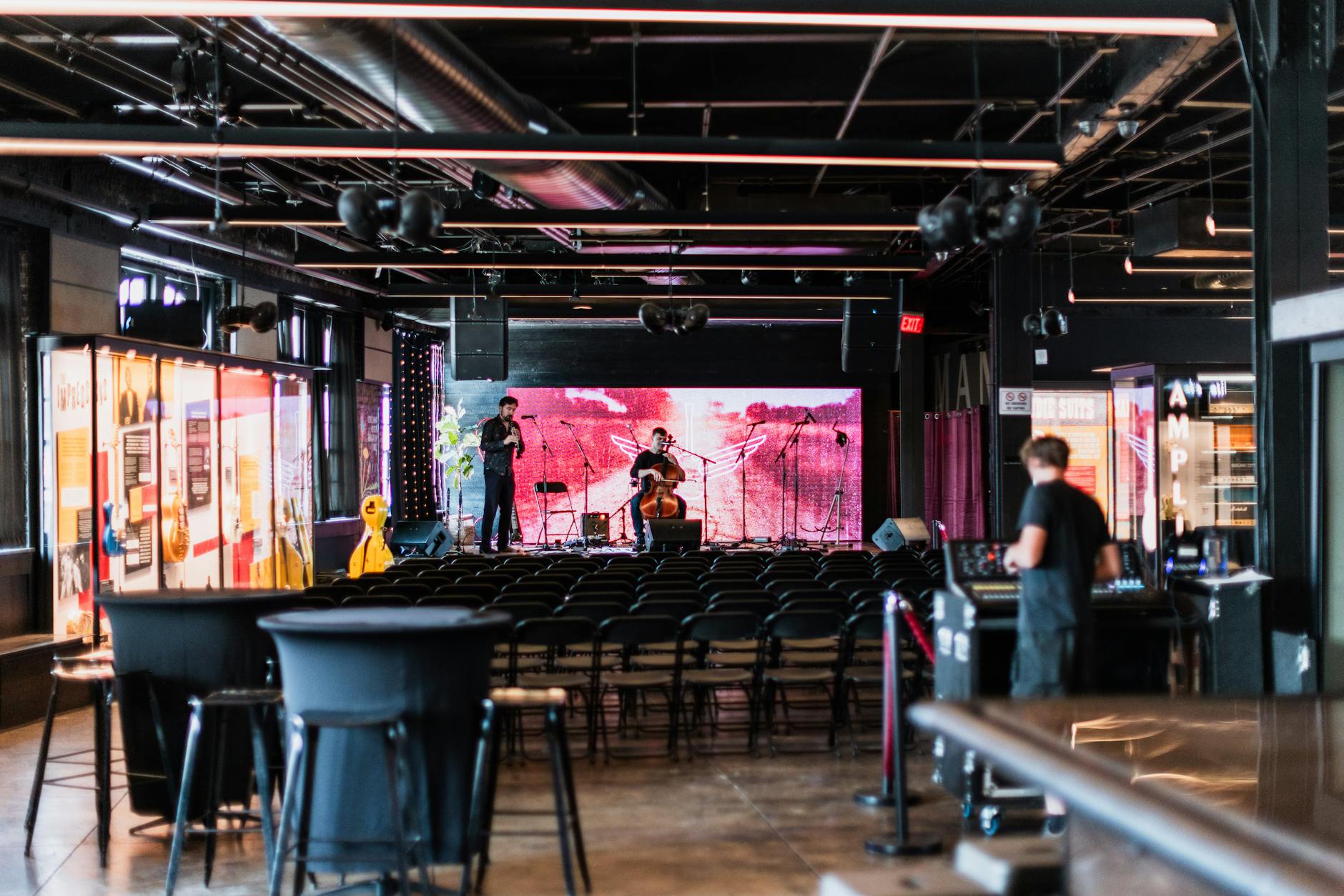
Emerging technologies like augmented reality and mixed reality are beginning to appear at concerts, offering alternatives to traditional VR that don’t require headsets. These systems overlay digital elements onto the real-world concert experience, allowing fans to see additional visuals through their smartphones or special glasses.
The convergence of live streaming, social media, and VR is creating new opportunities for remote fan engagement. Some concerts now offer virtual attendance options where fans can experience the show through VR from home, participating in chat features and interactive elements while watching the live performance.
As the technology becomes more accessible and affordable, industry experts predict that VR elements will become standard features at major concert tours within the next few years. The focus is shifting from experimental implementations to integrated experiences that feel natural and enhance the overall concert experience. Artists and venues that successfully blend physical and virtual elements are positioning themselves at the forefront of the entertainment industry’s technological evolution, creating new standards for what fans expect from live music experiences.
Frequently Asked Questions
How do VR concert experiences work at live venues?
Venues install VR stations with headsets that offer exclusive content, backstage tours, and interactive visuals that sync with the live performance.
Do all concert attendees get access to VR experiences?
Access varies by venue and ticket type, with some offering VR as part of premium packages while others include basic VR content for all attendees.