


When Michael Jordan stepped onto the basketball court in 1985 wearing his first signature Nike Air Jordan sneakers, few could have predicted that celebrity shoe collections would evolve into one of the most powerful forces reshaping global fashion. Today, the athletic footwear industry generates over $80 billion annually, with celebrity-driven sneaker trends accounting for a significant portion of that revenue. From basketball courts to red carpets, famous faces have transformed simple athletic shoes into cultural phenomena that define generations.
The influence extends far beyond sports. Musicians, actors, and social media personalities now collaborate with major brands to create limited-edition releases that sell out within minutes. These partnerships have fundamentally changed how consumers view footwear, turning sneakers from functional athletic gear into collectible art pieces and investment opportunities.
Michael Jordan: The Blueprint That Changed Everything
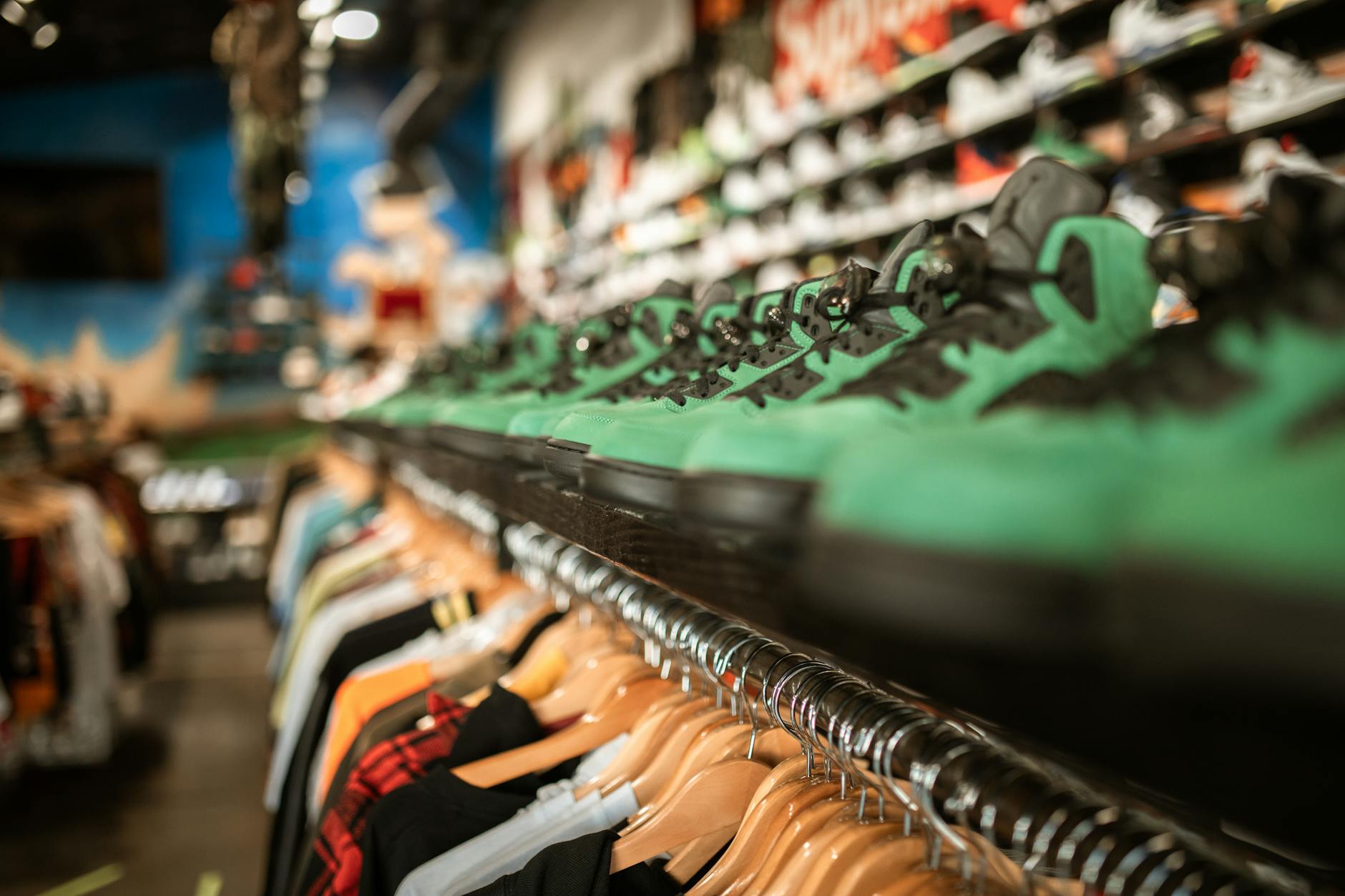
Michael Jordan’s partnership with Nike remains the gold standard for celebrity shoe collaborations. The Air Jordan brand, launched in 1985, reportedly generates over $3 billion in annual revenue for Nike today. Jordan’s influence on sneaker culture goes beyond the basketball court – his shoes became symbols of excellence, style, and aspiration.
The original Air Jordan 1, with its black and red colorway, was initially banned by the NBA for violating the league’s “uniformity of uniform” rule. Nike brilliantly turned this controversy into a marketing opportunity with the famous “Banned by the NBA” campaign. This strategy created an aura of rebellion around the shoes, making them irresistible to consumers who wanted to challenge authority.
Jordan’s approach to sneaker design emphasized both performance and style. Unlike previous athletic endorsements that focused solely on functionality, Air Jordans were designed to look good both on the court and on the street. This dual appeal opened up massive new markets and established the template for modern celebrity sneaker partnerships.
The success of Air Jordans demonstrated that consumers would pay premium prices for shoes associated with excellence and star power. This realization transformed the entire athletic footwear industry, with every major brand subsequently seeking high-profile celebrity partnerships to drive sales and cultural relevance.
Music Icons Who Revolutionized Street Style
Hip-hop culture has profoundly influenced sneaker trends, with artists like Run-DMC, Kanye West, and Jay-Z leading the charge. Run-DMC’s 1986 song “My Adidas” is widely credited as the first mainstream celebration of sneaker culture in music. The group’s love affair with Adidas Superstars helped establish the connection between hip-hop and athletic footwear that continues today.
Kanye West’s collaboration with Nike on the Air Yeezy in 2009 marked a pivotal moment in celebrity sneaker partnerships. When West moved to Adidas in 2013 to launch Yeezy, he brought his unique aesthetic and massive cultural influence to create one of the most successful sneaker lines in history. Yeezy releases consistently sell out within minutes, with resale values often exceeding original retail prices by hundreds of dollars.
Jay-Z’s partnership with Reebok in the early 2000s for the S. Carter line showed how music moguls could leverage their business acumen alongside their cultural influence. Though the line had mixed commercial success, it demonstrated the potential for musicians to become serious players in the athletic footwear space.
The influence of music on sneaker culture extends beyond formal partnerships. Artists regularly showcase new releases in music videos, social media posts, and public appearances, creating organic marketing that brands cannot buy. This authentic connection between musicians and their shoe choices has proven more powerful than traditional advertising in reaching younger consumers.
Hollywood’s Sneaker Revolution
Actors and entertainment personalities have increasingly embraced sneaker culture, both as consumers and collaborators. Will Smith’s connection to Air Jordans in the 1990s helped bridge the gap between athletic footwear and mainstream entertainment. His casual, relatable style influenced countless fans to adopt sneakers as everyday wear.
More recently, actors like Mark Wahlberg have invested in athletic footwear companies, while others have created their own lines. The “athleisure” trend, partly driven by celebrities wearing sneakers to formal events, has made athletic footwear acceptable in virtually any setting. Red carpet appearances featuring sneakers with formal wear have normalized this once-controversial styling choice.
Social media has amplified celebrity influence on sneaker trends exponentially. Instagram posts featuring celebrity shoe collections generate millions of views and drive immediate consumer demand. The phenomenon of “sneakerheads” – serious collectors who follow celebrity footwear choices obsessively – has created a subculture with its own media, events, and economic ecosystem.
Celebrity sneaker collections have also influenced fashion weeks and high-end designers. Luxury brands like Balenciaga, Golden Goose, and Maison Margiela have created their own interpretations of athletic footwear, bringing sneaker aesthetics to the highest levels of fashion. This cross-pollination between street style and haute couture can be traced directly to celebrity influence.
The Economics of Celebrity-Driven Sneaker Culture
The financial impact of celebrity shoe partnerships extends far beyond individual sales figures. These collaborations create entire ecosystems of related businesses, from resale platforms like StockX and GOAT to sneaker authentication services and cleaning companies. The secondary market for limited-edition celebrity sneakers has grown into a multi-billion-dollar industry.
Limited releases and artificial scarcity, pioneered by celebrity partnerships, have transformed consumer behavior around footwear. The “drop” model – releasing small quantities of highly anticipated shoes – creates urgency and excitement that drives sales far beyond what traditional retail models achieve. This approach has been adopted across numerous industries, from fashion to technology.
Celebrity partnerships have also globalized sneaker culture in unprecedented ways. International releases, coordinated social media campaigns, and global brand ambassadorships have created shared cultural moments across continents. A shoe release in Los Angeles generates equal excitement in Tokyo, London, and São Paulo.
The investment potential of celebrity sneakers has created an entirely new asset class. Some rare celebrity-associated shoes have appreciated in value faster than stocks, bonds, or real estate. Professional sneaker investors now track celebrity partnerships, release schedules, and cultural moments to make strategic purchases.
Digital Age and Future Trends
Social media platforms have fundamentally changed how celebrity shoe trends spread and evolve. TikTok challenges featuring specific sneakers can generate millions of views overnight, creating instant demand for particular styles or brands. Instagram collaborations between celebrities and footwear brands reach audiences that traditional advertising cannot touch effectively.
The rise of direct-to-consumer sales through celebrity social media accounts has disrupted traditional retail models. When celebrities promote shoes directly to their followers through personal social media channels, they bypass traditional marketing entirely while creating more authentic connections with consumers.
Sustainability has become increasingly important in celebrity sneaker partnerships. Environmental consciousness among younger consumers has pushed celebrities and brands to develop eco-friendly materials and production methods. Several high-profile partnerships now emphasize recycled materials, carbon-neutral production, and ethical manufacturing practices.
Virtual and augmented reality technologies are beginning to influence celebrity sneaker marketing. Virtual try-on experiences, augmented reality filters, and digital-only sneaker releases represent the next frontier in celebrity-driven footwear trends.
The celebrity sneaker phenomenon shows no signs of slowing down. As new platforms emerge and consumer habits continue evolving, the influence of famous personalities on footwear trends will likely grow stronger. The industry that began with Michael Jordan’s basketball shoes has become a global cultural and economic force that touches everything from street fashion to high-end luxury goods. Today’s celebrity shoe collections don’t just follow trends – they create the blueprint for how entire generations express themselves through style.
Frequently Asked Questions
Which celebrity started the biggest sneaker trend?
Michael Jordan’s Air Jordan partnership with Nike in 1985 created the blueprint for all modern celebrity sneaker collaborations.
How do celebrity sneakers influence fashion trends?
Celebrity partnerships create cultural moments that drive consumer demand and establish new style standards across multiple industries.