



The Bag Quietly Taking Over Every Stylish Person’s Arm
A.P.C. has never been the loudest voice in fashion. The Paris-based label built its reputation on restraint – clean lines, honest materials, clothes and accessories that work harder the less they try. So it tracks that the brand’s Demi-Lune bag is making its move without a celebrity campaign or a splashy runway moment. It is simply showing up, again and again, in the kind of street style that actually reflects how people dress rather than how brands wish they would.
The Demi-Lune – French for “half moon” – is exactly what its name promises: a structured, crescent-shaped bag with a top handle and a profile that sits flat against the body in a way mini totes rarely manage. It comes in smooth leather, a few reliable colorways, and at a price point that sits well below the luxury tier without feeling like a compromise. That combination is doing something the fashion world tends to underestimate: it is making the bag genuinely accessible to the audience that actually drives trends.
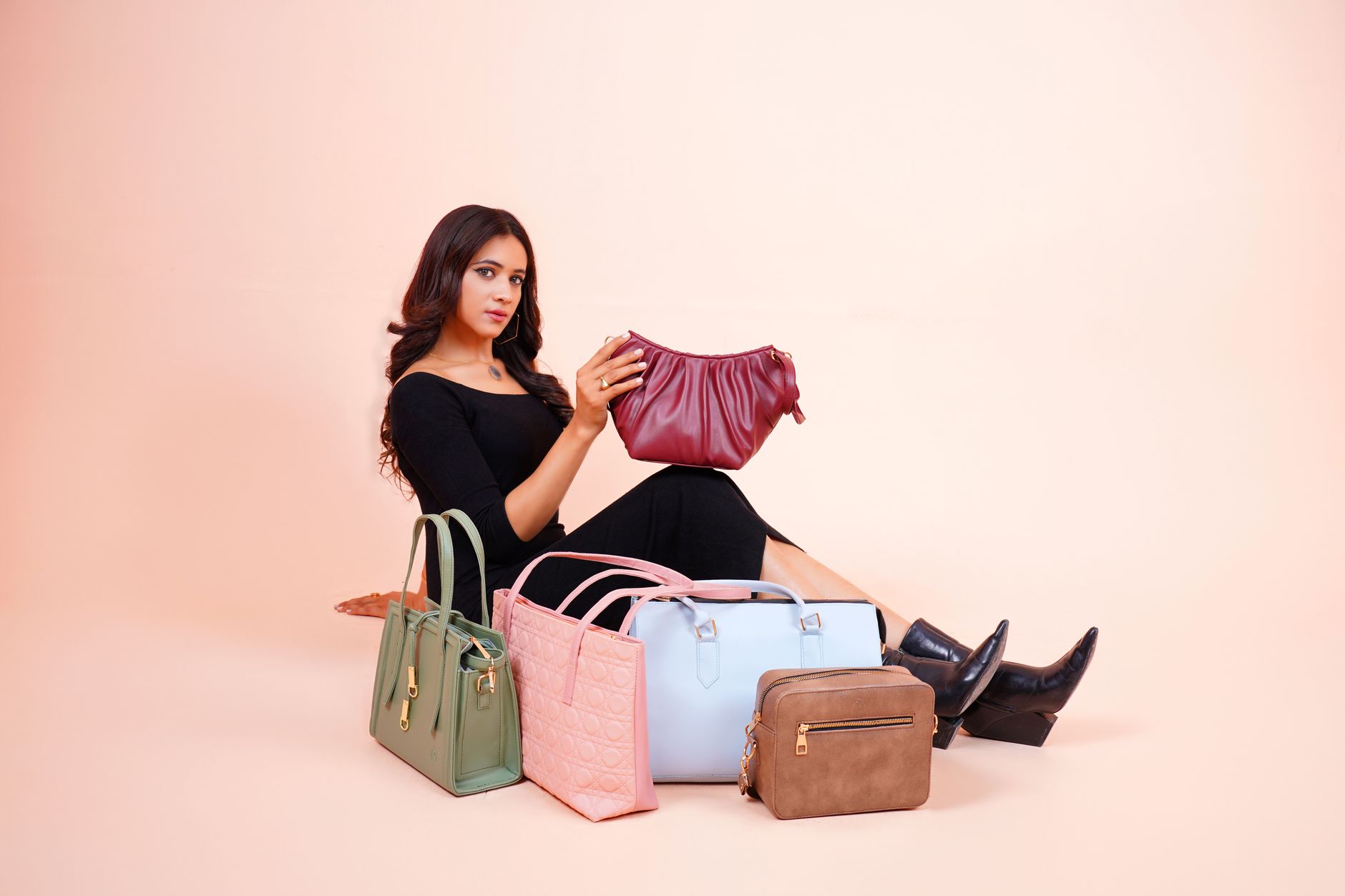
Why the Mini Tote Is Losing Ground
The mini tote had a strong run. For several seasons, the format dominated – a boxy little bag, usually with short handles, that worked for exactly two situations: a dinner out and a day when you genuinely had nothing to carry. The appeal was aesthetic rather than functional, which was fine until the market became saturated with versions at every price point and the silhouette stopped feeling special. When a bag style is available at a fast fashion retailer for fifteen dollars, the luxury of owning the original starts to erode.
The Demi-Lune offers something the mini tote never really solved: a shape that is sculptural from a distance but practical up close. The curved silhouette holds its form without requiring rigid internal structure, and the flat crescent profile means it does not bulk out awkwardly under an arm or bang against a hip when walking. For anyone who has tried to carry a boxy bag through a crowd or fit it into an overhead bin, the difference is not subtle. A growing number of women who built their wardrobes around the structured tote format are quietly making the switch.
There is also a timing element at play. The broader move toward quieter, shape-driven accessories – bags defined by silhouette rather than logomania or hardware – has been building for a few seasons now. The Bottega Veneta Sardine bag is part of the same current: unusual shapes, no visible branding, quality that speaks for itself. The Demi-Lune fits that appetite without requiring a four-figure investment, which makes it arguably more influential in how it moves through the culture.
A.P.C. has also been disciplined about not overextending the style. The Demi-Lune has not been released in forty colorways or spun into a family of sizes so broad that it loses its identity. That restraint keeps demand ticking rather than spiking and crashing, which is how a bag builds longevity rather than just a viral moment.
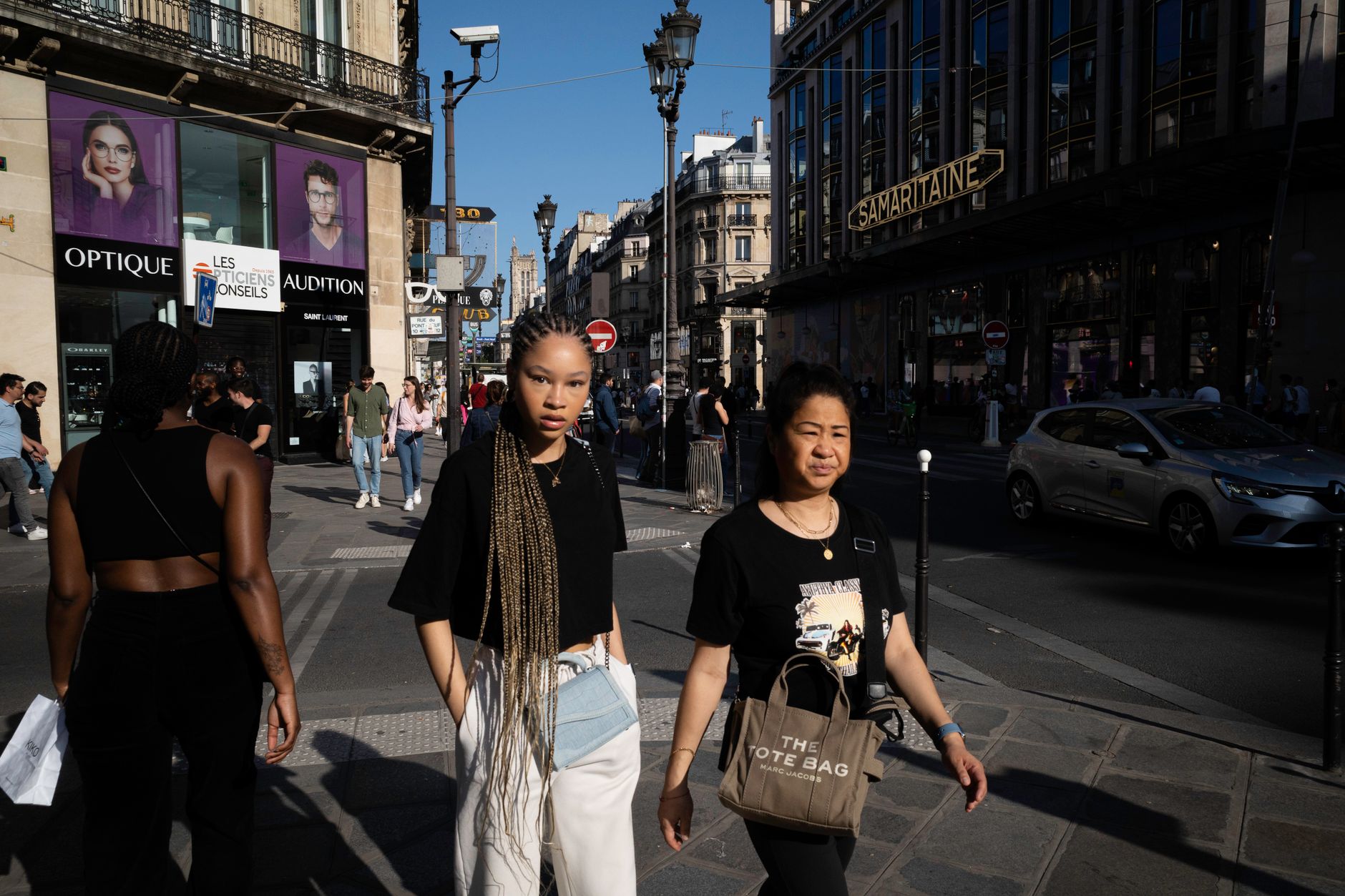
How A.P.C. Prices Its Way Into the Conversation
The Demi-Lune retails in a range that places it squarely in what the industry calls the “accessible luxury” zone – above high street, well below the flagship luxury houses. For A.P.C., this is a deliberate positioning the brand has held for decades: good leather, clean manufacturing, fair pricing for what you actually get. The brand does not manufacture the illusion of exclusivity through artificial scarcity or four-digit price floors.
This matters in the current bag market because consumers are applying more scrutiny to what they are paying for. A bag from a major luxury house carries the weight of heritage, marketing costs, and in many cases an inflated secondary market value that has become part of the pitch. The Demi-Lune asks none of that. You pay for the object itself, and the object is good. That is a straightforward transaction that resonates with buyers who want quality without the performance of luxury ownership.
The Styling Logic Behind the Crescent Shape
Part of what makes the Demi-Lune so easy to photograph – and so easy to actually wear – is that the curved base sits naturally against the hip or under the arm without looking stiff. It pairs intuitively with the tailored separates and relaxed denim that A.P.C. itself sells, but it also works as a contrast piece: carried against an oversized coat, it reads sharp. Worn with a slip dress, the structured shape provides the tension the outfit needs.
The top handle format is also doing meaningful work here. Shoulder bags and crossbodies dominated for long enough that a top handle bag now reads as a considered choice rather than a default. Carrying something by hand or in the crook of an arm communicates a kind of deliberateness that aligns well with the overall direction of dressed-up casual dressing – the idea that getting the details right matters even when the look itself is understated.
The Demi-Lune comes in black, camel, and a rotating set of seasonal colors that feel consistent with A.P.C.’s palette rather than chasing whatever color trend is circulating that quarter. Caramel and tan versions have been particularly visible, possibly because the warm neutrals photograph cleanly and hold up against the kind of tonal dressing that has dominated for the past couple of years. Whether the bag continues to gain ground or settles into a steady cult following, it has already proven something: in a saturated bag market, a clear shape and a fair price can cut through without any noise at all.